




















Rubbing Alcohol for Cleaning: What It's Good For (and What to Avoid)
 22.07.2026

Rubbing alcohol (isopropyl alcohol, usually 70% or 91%) is a fast-drying cleaner good for glass, electronics, stainless steel, and stubborn sticky residue. Pour it into a labeled spray bottle or apply with a lint-free cloth, wipe, and let it air-dry. It evaporates quickly, which makes it useful in small NYC apartments with limited ventilation and no time for streaks.
What you'll need
- Isopropyl alcohol, 70% or 91% (70% evaporates a touch slower, which can help it linger on a surface)
- A clean, labeled spray bottle (never reuse an unmarked bottle around roommates or kids)
- Two or three microfiber or lint-free cloths
- Cotton swabs and an old soft toothbrush for tight spots
- Nitrile or dish gloves
- A window you can crack, or a fan pointed toward it
Step by step
- Ventilate first. Open the window if it opens, or run a fan. Alcohol fumes build up fast in a studio or one-bedroom.
- Test a hidden spot. Dab a little on an out-of-sight corner of the surface and wait a minute to check for clouding, hazing, or color transfer.
- Decant, don't drown. Lightly mist the cloth or the surface. A damp cloth beats a soaked one, especially near electronics.
- Glass and mirrors: spray the cloth, wipe in one direction, then buff dry with a second cloth for a streak-free finish.
- Stainless steel appliances: wipe with the grain, then dry immediately to avoid water-alcohol spotting.
- Electronics (screens, keyboards, phone): power down and unplug, apply alcohol to the cloth or swab (never directly to the device), and wipe gently. Use swabs between keys.
- Sticky residue: hold an alcohol-dampened cloth on adhesive, price-sticker gunk, or tape marks for 30 seconds, then rub it off.
- Let it air-dry. No rinsing needed on hard, sealed surfaces.
What NOT to do
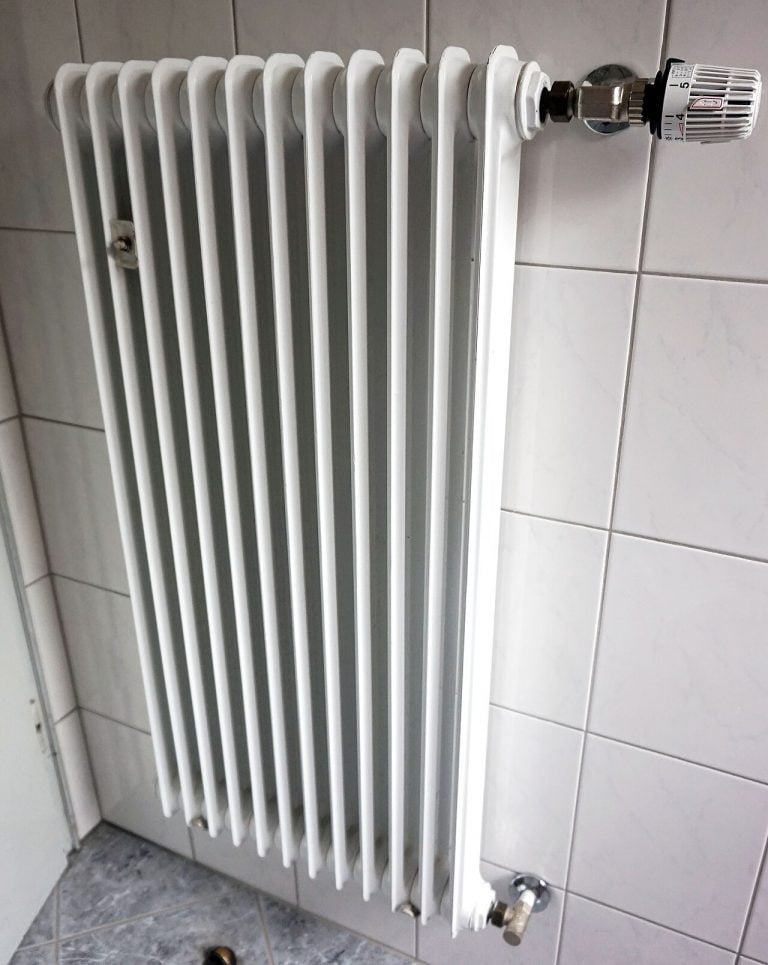
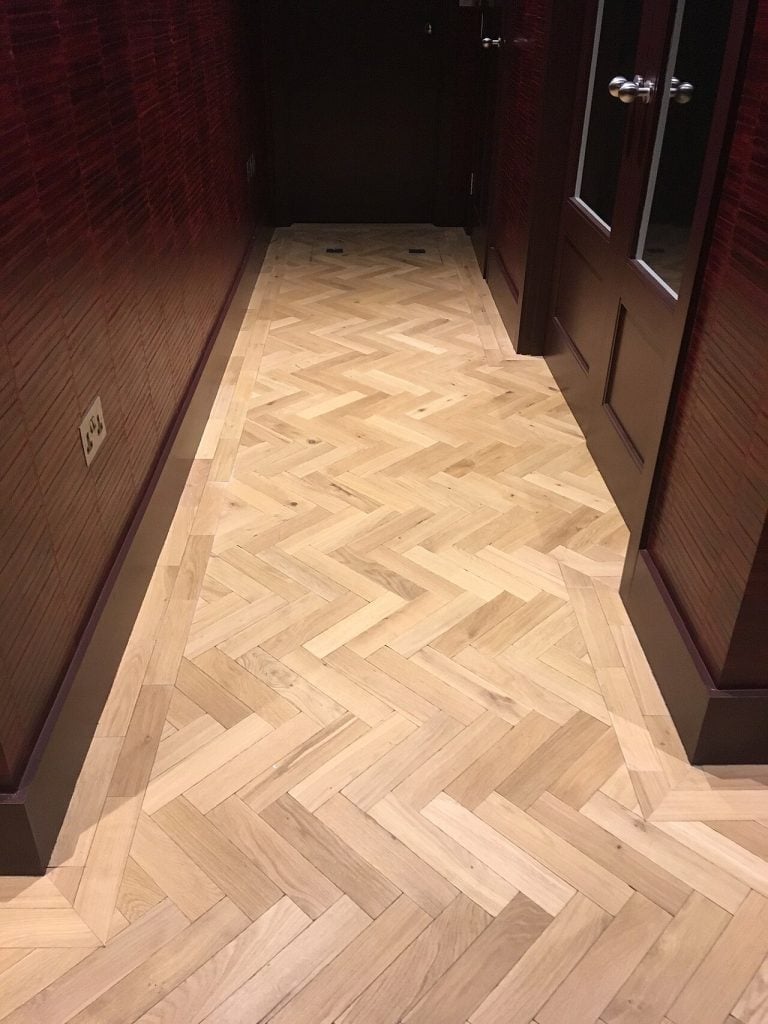
Do not use rubbing alcohol on anything that can't take a solvent. Keep it off finished or waxed hardwood floors and wood furniture, where it can strip or dull the finish. Skip it on painted walls and many painted surfaces, since it can lift paint. Avoid acrylic, plexiglass, and older phone or laptop screens with anti-glare coatings, which can cloud or craze. Don't use it on granite, marble, or other natural stone, and don't pour it on rubber gaskets or seals, which it can dry out and crack. Never mix rubbing alcohol with bleach. And never use it near a lit burner, a running steam radiator that's very hot, or any open flame, because the vapor is flammable.
When to call a pro
Rubbing alcohol handles spot cleaning, screens, and sticky messes, but it isn't a whole-apartment solution, and it's the wrong tool for sealed floors, stone counters, grout, or a deep move-out clean your landlord will inspect. If you're staring down a security deposit, a build-up you can't shift, or simply don't have the storage or the weekend, it's worth booking help. Get apartment cleaning with CleanWhale and let a vetted team handle the surfaces you'd rather not risk.
FAQ
Is 70% or 91% rubbing alcohol better for cleaning?
Both work. The 91% version cuts grease and dries faster, which is handy on electronics. The 70% version evaporates a little slower, so it stays on the surface longer while you wipe. For general apartment cleaning, either is fine; pick what you have.
Can I use rubbing alcohol on my phone and laptop screen?
On most modern glass screens, yes, if you apply it to a cloth (never directly to the device) and wipe gently after powering down. But older screens and some anti-glare or oleophobic coatings can be damaged, so check your manufacturer's guidance and test a corner first.
Does rubbing alcohol leave streaks on glass?
It can if you let it pool or skip the buff step. Mist lightly, wipe in one direction, then follow with a dry lint-free cloth. Because it evaporates quickly, you have to work in small sections.
Can I store rubbing alcohol in a small apartment?
Keep it in its original or a clearly labeled bottle, tightly capped, away from heat, radiators, and open flame, and out of reach of kids and pets. A closed cabinet away from the stove is ideal in a compact NYC kitchen.
Related guides