






















Does Vinegar Actually Kill Mold in Your Apartment?
 23.07.2026

White vinegar can help you scrub visible mold off hard, nonporous surfaces like glass, tile, and sealed metal, and its acidity may loosen light growth. But vinegar is not an EPA-registered mold product, it won't reach mold rooted in porous materials like drywall or grout, and it does nothing about the moisture causing the problem. For anything larger than a small patch, treat it as a repair, not a cleaning job.
What you'll need
- Plain white distilled vinegar (undiluted)
- A spray bottle
- Nitrile or rubber gloves
- An N95 respirator (a paper dust mask isn't enough)
- A stiff nylon brush and microfiber cloths
- An old towel and a bucket for rinse water
- A box fan or your window cracked, if it opens
Step by step
- Ventilate first. Open a window if you can, or run a fan pointed toward it. In a tight NYC studio, mold spores kicked up during scrubbing have nowhere to go, so move air out, not around.
- Put on your respirator and gloves before you disturb anything. Dry mold releases more spores when you brush it.
- Fill the spray bottle with undiluted vinegar. Don't cut it with water for mold work.
- Spray the affected area until it's visibly wet, then let it sit for about an hour. The acid needs contact time to loosen growth.
- Scrub with the nylon brush, working in small sections. Wipe residue away with a damp microfiber cloth as you go, rinsing the cloth in your bucket, not the sink you cook near.
- Wipe the surface down and dry it completely with a fresh towel. Leftover moisture invites regrowth within days.
- Bag the used cloths and gloves separately and take them out same-day. Don't shake them out over your trash can.
What NOT to do
- Don't mix vinegar with bleach. The combination releases chlorine gas, dangerous in a small bathroom with a non-opening window.
- Don't use vinegar on natural stone. Marble, limestone, and travertine (common on older NYC vanity tops) etch and dull permanently from acid.
- Don't scrub mold on unsealed drywall or plaster. You'll smear it deeper and tear the paper surface. Porous material with mold usually has to be cut out and replaced.
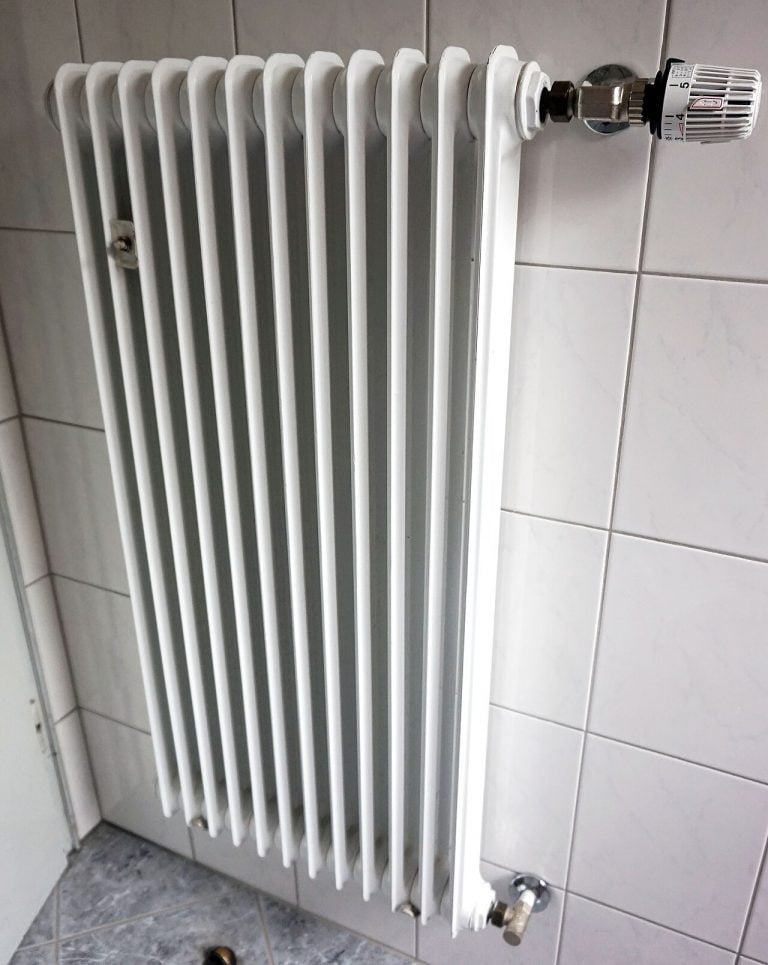
- Don't ignore the source. Mold on the wall behind a steam radiator, under a window, or along a shared bathroom wall points to a moisture or ventilation problem that scrubbing won't fix.
- Don't paint over it. Paint hides growth for a few weeks, then it bleeds back through.
When to call a pro
DIY vinegar works for a coffee-cup-sized patch on a hard, wipeable surface. Once mold covers more than roughly ten square feet, keeps returning after you clean it, spreads across drywall or ceiling, or comes with a musty smell you can't locate, you're past a cleaning problem and into a moisture and possibly a landlord problem. In a rental, document it with photos and notify your landlord in writing, since recurring mold is often tied to a leak or ventilation issue that's their responsibility to repair. If you just want the visible surfaces in your unit thoroughly cleaned and reset while you sort out the source, book apartment cleaning with CleanWhale.
FAQ
Does vinegar kill mold better than bleach?
Neither is a magic fix. On porous surfaces, bleach mostly removes the color while leaving roots behind, and vinegar can't penetrate those materials either. On hard, nonporous surfaces, vinegar is a reasonable choice for removing visible growth because it doesn't leave the fumes bleach does in a closed bathroom.
How long should I leave vinegar on mold?
About an hour of contact time before scrubbing gives the acid a chance to loosen growth. Reapply if the surface dries out before you get to it, then rinse and dry fully afterward.
Can I just leave the vinegar on and skip scrubbing?
No. Spraying alone leaves the mold in place. You have to physically remove it by scrubbing and wiping, then dry the surface, or it comes back.
Why does the mold keep coming back in my apartment?
Regrowth almost always means moisture is still present, from a leak, poor airflow, condensation near a steam radiator, or a bathroom with no working exhaust. Cleaning the surface without fixing the moisture only buys you a few weeks.
Related guides