






















Does Vinegar Disinfect? What It Cleans and What It Can't
 23.07.2026

Vinegar is an acid, not a disinfectant. It cuts grease, dissolves mineral deposits, and lifts soap scum, so it's a genuinely useful cleaner. But it isn't registered with the EPA as a disinfectant, and "cleaning" (removing dirt) is not the same as "disinfecting" (killing germs to a defined standard). For sanitizing a sickroom or bathroom, reach for a labeled product instead.
What you'll need
- Distilled white vinegar (5% acidity, the standard grocery kind)
- A spray bottle you can label and reuse
- Warm water for diluting
- Microfiber cloths
- An EPA-registered disinfectant spray or wipe, kept separately, for jobs vinegar can't do
- Rubber gloves and a cracked window or exhaust fan for ventilation
Step by step
- Mix a 1:1 solution of white vinegar and warm water in your spray bottle. For heavier grease, go slightly stronger; for a light wipe-down, dilute more.
- Test first on a hidden spot, especially on anything stone or finished. Vinegar's acidity can etch and dull certain surfaces.
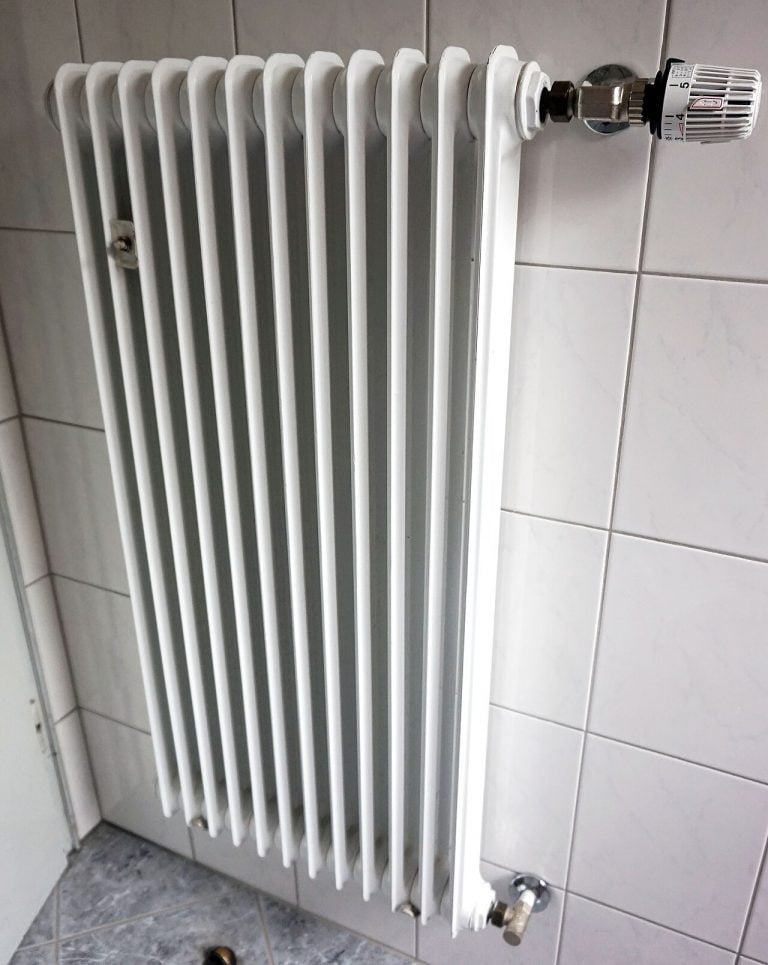
- Spray onto the cloth, not the surface, when cleaning near outlets, electronics, or a steam radiator's valve.
- Wipe glass, ceramic tile, and the inside of a plastic microwave. Let it sit a minute on hard-water spots around the faucet, then wipe.
- For a clogged showerhead, fill a bag with vinegar, tie it over the head overnight, and rinse in the morning to clear mineral buildup.
- Rinse food-contact surfaces like cutting boards with clean water afterward, and dry with a fresh cloth.
- When you actually need to disinfect, switch products: apply an EPA-registered disinfectant and follow its label for contact time exactly.
What NOT to do
- Don't use it on natural stone. Marble, granite, and limestone counters or windowsills etch and lose their polish when acid touches them.
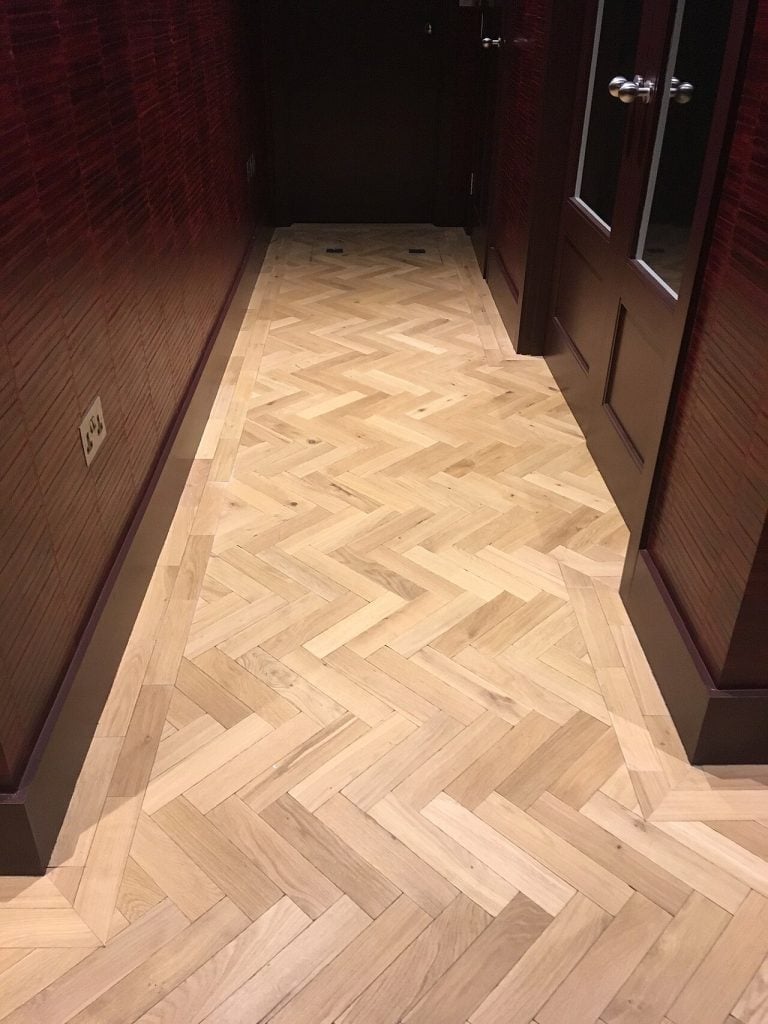
- Don't put it on hardwood or waxed floors. Repeated acidic mopping strips finish and leaves them looking cloudy.
- Don't mix vinegar with bleach. The combination releases chlorine gas, which is dangerous in a small, poorly ventilated apartment.
- Don't spray it on a hot steam radiator or its cast-iron surface; the fumes intensify and the finish can suffer.
- Don't use it to clean up after illness and assume the surface is sanitized. It isn't.
When to call a pro
Vinegar handles everyday grime, hard-water spots, and grease in a rental kitchen just fine. Where DIY stops is deep buildup you can't reach, a move-out clean your landlord will inspect, or a small apartment where ventilation is poor and you'd rather not spend a weekend on your knees. A professional team brings the right product for each surface, works around your steam radiators and non-opening windows, and knows when a cleaner is enough versus when a labeled disinfectant is called for. If you'd rather hand it off, book apartment cleaning with CleanWhale.
FAQ
Does vinegar kill germs?
Vinegar removes dirt and grease from a surface, but it is not an EPA-registered disinfectant, so we can't tell you it kills germs to any defined standard. If your goal is sanitizing rather than cleaning, use a product labeled for that purpose.
Is vinegar a good all-purpose cleaner for a rental?
For glass, ceramic tile, and hard-water deposits around faucets and showerheads, yes. Skip it on stone, hardwood, and waxed finishes, where its acidity causes damage that a landlord may notice.
Can I mix vinegar with other cleaners to make it stronger?
No. Never combine vinegar with bleach or ammonia-based products; the reactions produce harmful fumes, which is especially risky in a small apartment with limited airflow.
Why does my vinegar solution smell so strong indoors?
In a compact space the odor lingers. Dilute it more, wipe with a damp cloth afterward, and open a window or run the exhaust fan while you work.
Related guides