






















Is Vinegar Safe on Hardwood Floors? What NYC Renters Should Know
 23.07.2026

In most cases, no. Vinegar is acidic, and over time it can etch and dull the polyurethane finish on hardwood floors, leaving a hazy, streaky look. For the sealed wood floors in most NYC apartments, skip the vinegar-and-water mix and use a pH-neutral hardwood floor cleaner with a barely damp microfiber mop instead.
What you'll need
- A pH-neutral cleaner made for sealed hardwood (check the label says "hardwood" and "neutral pH")
- A flat microfiber mop or a couple of microfiber cloths
- A soft-bristle broom or a vacuum with the beater bar switched off
- A spray bottle for lightly misting the floor (never the mop-and-bucket flood method)
- Two clean rags: one damp, one dry for buffing
Step by step
- Figure out your finish first. Most rental floors are sealed with polyurethane. Dab a drop of water in a corner; if it beads and sits, it's sealed. If it soaks in fast, the wood may be raw or waxed, and liquid cleaners are a bad idea, ask your landlord before doing anything.
- Dry-clean before you wet-clean. Sweep or vacuum grit first. Sand and dirt tracked in from the sidewalk are what actually scratch the finish.
- Mist, don't flood. Lightly spray the pH-neutral cleaner onto a 3-by-3-foot section, or onto the mop pad, not the floor as a puddle. Standing water seeps into seams and warps boards.
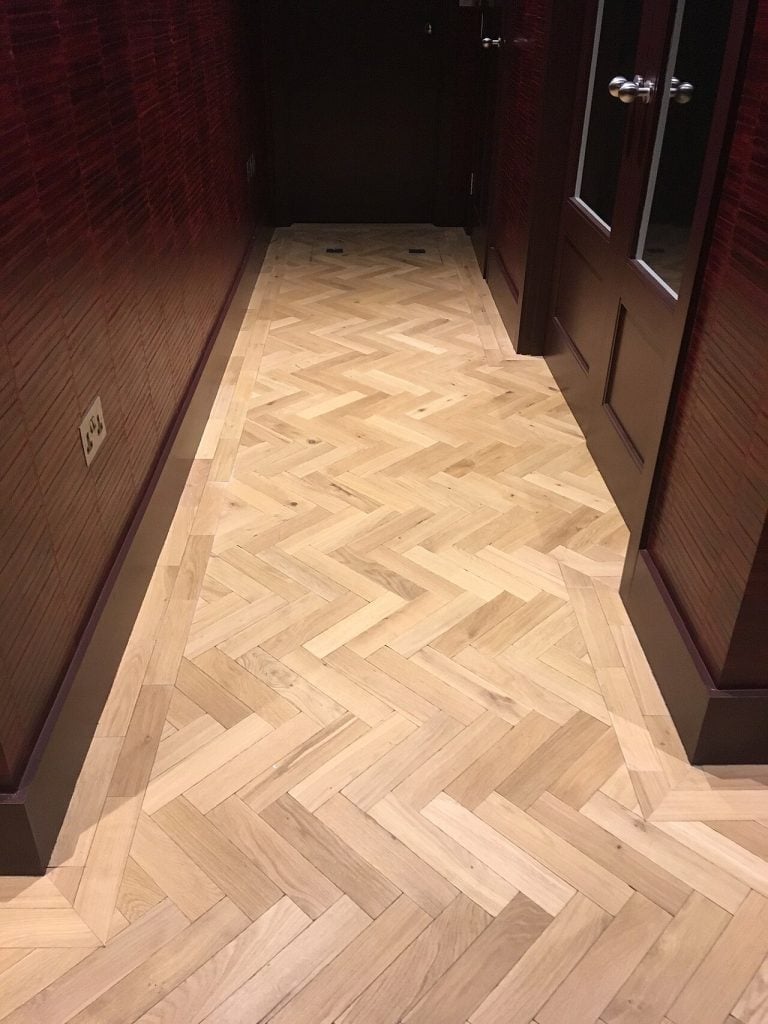
- Mop with the grain. Wipe in the direction of the wood planks in smooth passes. Rinse or swap the pad when it looks dirty.
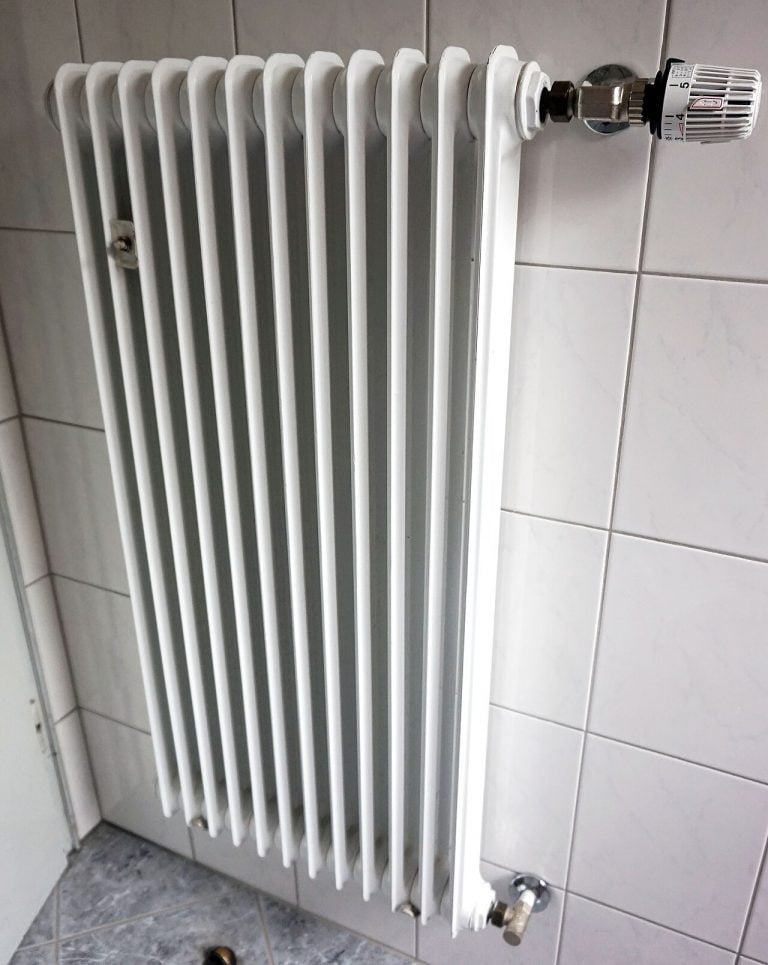
- Buff it dry. Follow with a dry microfiber cloth so no moisture lingers, especially near radiators and along baseboards where warping starts.
- Let it fully dry before walking on it. In a small apartment, work yourself toward the door so you're not stuck in a corner.
What NOT to do
Don't reach for the vinegar bottle on sealed wood, its acidity slowly eats away the sheen and there's no undo button once the finish looks cloudy. Don't use a steam mop either; forcing hot moisture into wood seams is one of the fastest ways to swell and cup boards in a tight apartment. Skip oil soaps and "polish" sprays that promise shine, they build up a residue that later has to be stripped and can void a professional refinishing. And never let water pool, radiator heat plus trapped moisture warps planks and lifts edges. If your floor is waxed rather than polyurethane-sealed, water-based cleaners can leave white spots, so treat it differently.
When to call a pro
DIY handles routine dust and light grime. But if your floors already look hazy from past vinegar use, if there's water damage near a radiator, or if you're doing a move-out clean and need the place to pass a landlord inspection, that's the point where a walkover isn't enough. A hazy or scratched finish usually needs a screen-and-recoat by a flooring specialist, not a mop. For the regular deep cleaning that keeps grit off your floors between those bigger jobs, book apartment cleaning with CleanWhale and let someone else handle the mopping, corners, and baseboards.
FAQ
Can I ever use vinegar on wood floors?
Only in very diluted form on genuinely sealed floors, and even then it's a risk, not a recommendation. Because it's acidic, repeated use tends to dull polyurethane over time. A pH-neutral hardwood cleaner does the same job without gambling on your finish.
What's the safest everyday cleaner for hardwood?
A cleaner labeled pH-neutral and made specifically for sealed hardwood, applied to a barely damp mop. That combination lifts dirt without the acidity of vinegar or the residue of oil soaps.
Why can't I use a steam mop on my apartment floors?
Steam drives heat and moisture down into the seams between planks. In wood, that leads to swelling, cupping, and a cloudy finish, damage that's expensive to reverse and often not worth it in a rental.
My floors already look dull from vinegar, can I fix it myself?
Light haze sometimes improves with a proper pH-neutral cleaning, but real etching in the finish usually needs a screen-and-recoat by a flooring pro. If you rent, check with your landlord before any refinishing work.
Related guides