






















How to Clean With Hydrogen Peroxide in a Small NYC Apartment
 22.07.2026

To clean with hydrogen peroxide, use the standard 3% solution straight from its dark brown bottle, spray it on a surface, let it sit for a few minutes, then wipe. It works well on white grout, tile, cutting boards, and stained sink caulk. Keep it in the opaque bottle, never mix it with vinegar in a closed container, and always test a hidden spot first.
What you'll need
- A bottle of 3% hydrogen peroxide (the brown drugstore bottle)
- An opaque spray-top that fits the bottle, or a small dark spray bottle
- Microfiber cloths and an old toothbrush for grout lines
- Baking soda (for a thicker paste on grout or pans)
- Rubber gloves
- Paper towels for lifting stains
- A window cracked open or the exhaust fan running
Step by step
- Buy the right strength. Household cleaning uses 3% hydrogen peroxide, the same one sold for first aid. Skip higher "food grade" or salon concentrations; they are harsher and unnecessary here.
- Keep it dark. Light breaks hydrogen peroxide down into plain water, so screw a spray top directly onto the brown bottle or decant into a dark spray bottle. A clear bottle on a sunny windowsill goes flat fast.
- Test first. Spray a hidden corner of the surface and wait ten minutes. Peroxide can lighten fabric, colored grout, and some finishes.
- Grout and tile: spray the peroxide on white tile grout, or make a paste with baking soda, scrub with the toothbrush, wait a few minutes, then rinse and wipe.
- Kitchen surfaces: after washing a plastic cutting board or the sink with soap and water, spray peroxide, let it sit five minutes, then rinse well before the next use.
- Stain lifting: for a coffee ring on a mug or a spot on white cotton, dab peroxide, let it work, then launder or rinse as usual.
- Wipe and air out. Finish with a clean damp cloth and let the surface dry. Crack the window or run the fan while you work.
What NOT to do
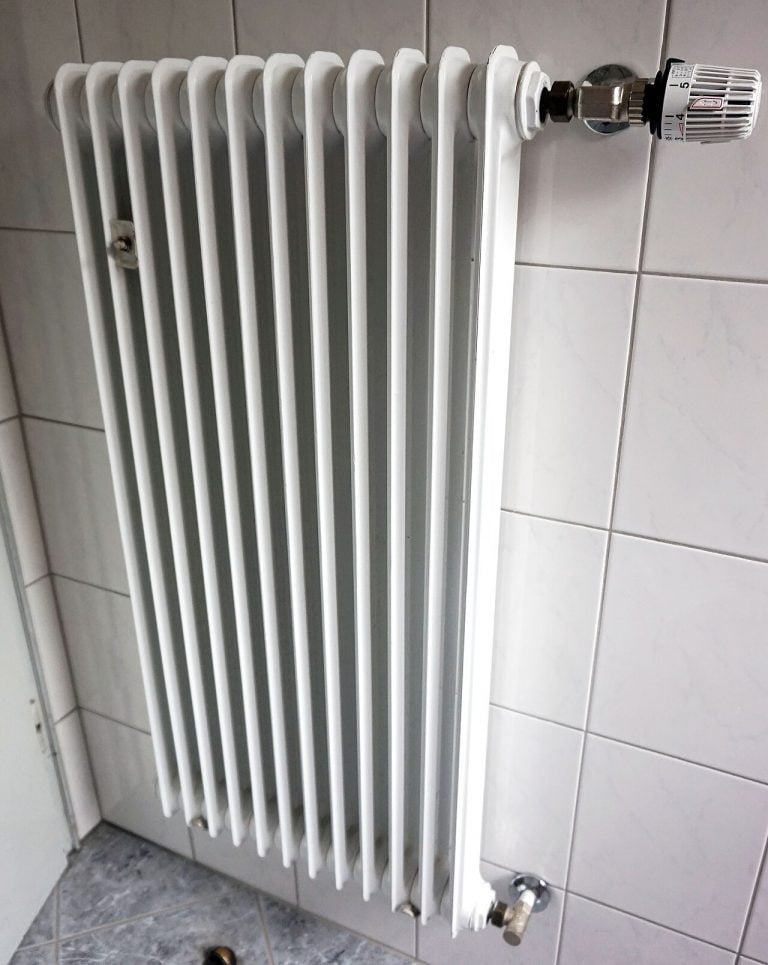
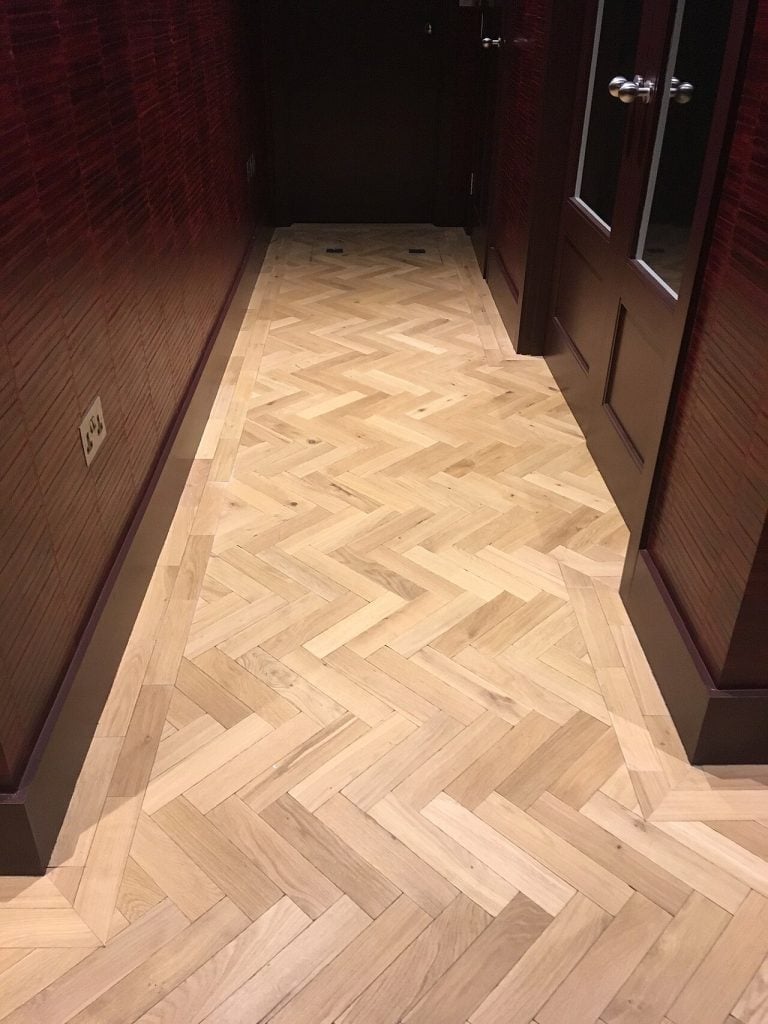
Do not spray hydrogen peroxide on natural stone. If your counter or bathroom vanity is marble, granite, or travertine, peroxide can etch and dull it; stick to a pH-neutral stone cleaner. Keep it off colored or dark grout and off colored fabric, since it can bleach out the tint. Never mix it with vinegar in a sealed bottle to "boost" it, and never combine it with bleach. Don't use it on unsealed brass or copper fixtures, common in older NYC apartments, where it can discolor the metal. And don't leave a puddle of it on a wood floor or a painted radiator, where standing liquid can lift the finish.
When to call a pro
Hydrogen peroxide handles small spot jobs, but it won't fix years of built-up grime in a rental, deep grout discoloration across a whole bathroom, or a move-out clean your landlord will inspect against your deposit. If you're short on storage, short on time, or facing a surface you're afraid to test on, that's the honest line where DIY stops. When you want the whole apartment handled by someone who knows how different surfaces react, book apartment cleaning with CleanWhale.
FAQ
Is hydrogen peroxide better than vinegar for cleaning?
They do different jobs. Peroxide is better at lifting organic stains like coffee, wine, and blood, while vinegar is an acid that cuts mineral scale and soap film. Use whichever fits the mess, but never store them mixed together in a closed bottle.
Can I use hydrogen peroxide on my kitchen counter?
On laminate, sealed butcher block, or stainless steel, a quick spray and wipe is fine after a soap-and-water wash. On marble, granite, or other natural stone, don't; it can etch the surface. Test a hidden spot whenever you're unsure.
Why does my hydrogen peroxide stop fizzing?
Light and air slowly turn it into water, so an old or clear-bottled batch loses strength. Keep it in the original brown bottle, cap it tight, and replace it if it no longer bubbles on contact.
Does it leave a smell in a small apartment?
No. Hydrogen peroxide is fragrance-free and breaks down into water and oxygen, so there's no lingering scent, which helps in a studio with a non-opening window. Still crack a window or run the fan for airflow while you clean.
Related guides