






















DIY All-Purpose Cleaner Recipe for Small NYC Apartments
 22.07.2026

For a basic DIY all-purpose cleaner, mix 2 cups of warm water, 2 tablespoons of liquid dish soap, and 1 tablespoon of white vinegar in a 16-ounce spray bottle. Shake gently. Use it on sealed counters, painted walls, appliance exteriors, and tile. Skip the vinegar entirely if you'll spray natural stone. It cleans and cuts grease; it is not a disinfectant.
What you'll need
- A clean 16-ounce spray bottle (an old cleaner bottle works if rinsed well)
- 2 cups warm water (filtered or tap)
- 2 tablespoons liquid dish soap
- 1 tablespoon white distilled vinegar (optional, for grease and hard-water spots)
- Microfiber cloths (two: one to clean, one to dry)
- Optional: 5 to 10 drops of an essential oil if you want a light scent
- A measuring spoon and a small funnel
Step by step
- Rinse your spray bottle with warm water so no old residue reacts with the new mix.
- Funnel in 2 cups of warm water first. Adding water before soap keeps it from foaming over.
- Add 2 tablespoons of dish soap and 1 tablespoon of vinegar. If you're storing this near natural stone, leave the vinegar out.
- Add a few drops of essential oil now if you want scent. In a studio with a non-opening window, go light so the smell doesn't linger.
- Cap it and swirl gently. Don't shake hard, or you'll fight through suds every time you spray.
- Spray onto the cloth, not the surface, when cleaning near outlets, radiator knobs, or electronics.
- Wipe, then follow with the dry cloth on anything streaky like glass-front cabinets or a stainless fridge.
- Label the bottle with the date. Mix small batches; a soap-and-water blend is best used within a few weeks.
What NOT to do
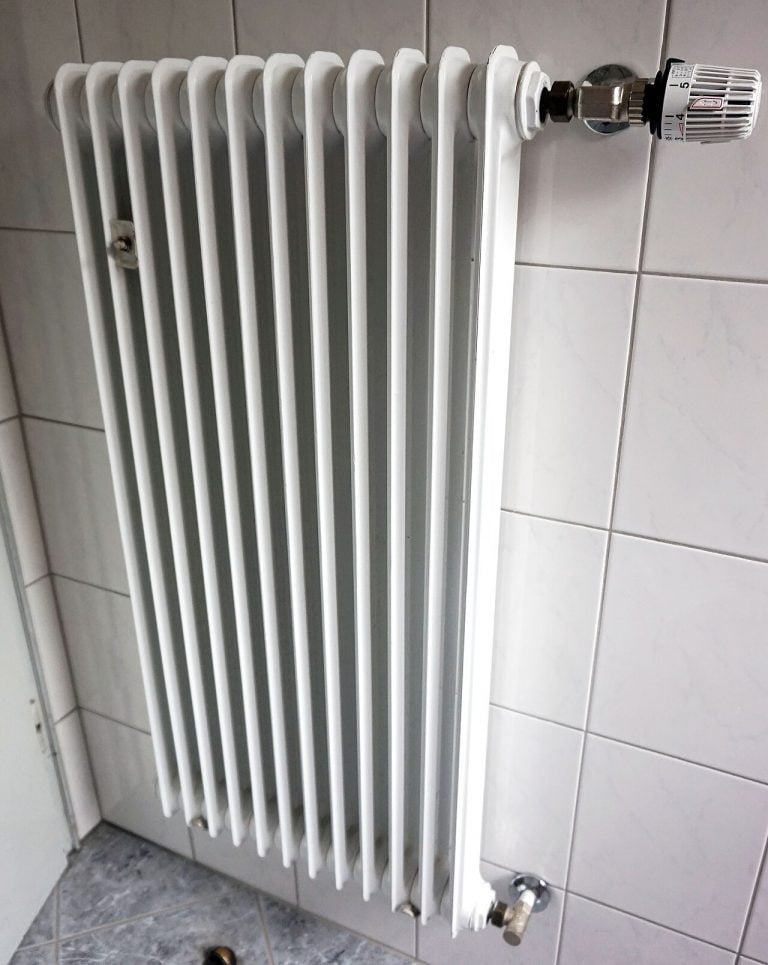
Don't put vinegar on marble, granite, quartz, or a stone windowsill. The acid etches and dulls the finish permanently. Keep this cleaner off unsealed hardwood and waxed floors; the water can seep into seams and lift the finish. Never spray it directly on a hot steam radiator or its valve, where liquid can drip into fittings; wipe a cooled radiator with a damp cloth instead. Don't use it on a TV or laptop screen, and never mix this with bleach or any other bottled cleaner. On stainless steel, wipe with the grain so you don't leave a haze.
When to call a pro
A homemade spray handles weekly upkeep, but it won't touch built-up grease behind the stove, mineral scale in a decades-old bathroom, or the grime that collects in a small apartment you rarely have time to deep-clean. Rentals also have finishes you may not want to gamble on with a DIY mix. If you're moving out and need the place to pass a landlord inspection, or you just want a reset before company arrives, book apartment cleaning with CleanWhale and let a trained team handle the surfaces and corners that a quick wipe-down misses.
FAQ
Does this DIY cleaner disinfect?
No. This is a cleaning solution that lifts dirt and grease, not a disinfectant. Cleaning removes visible soil and residue; it doesn't make claims about germs. If you need to disinfect, buy an EPA-registered product and follow its label exactly.
Can I use it on every surface in my apartment?
Most sealed surfaces are fine: painted walls, laminate counters, tile, glass, and appliance exteriors. Avoid natural stone, unsealed wood, and screens. When unsure, test a hidden spot first and wait a few minutes.
How long does the mixture last?
Because it's mostly water and soap with no preservatives, mix small and use it within a few weeks. If it looks cloudy or smells off, dump it and make a fresh batch. It costs pennies to remake.
Why leave the vinegar out sometimes?
Vinegar helps cut grease and hard-water spots, but its acidity damages stone and can dull some finishes. In a kitchen with a stone counter or a bathroom with a marble sill, make a soap-and-water-only version and keep the two bottles labeled.
Related guides