






















What to Clean Before a Landlord Inspection: A NYC Renter's Checklist
 05.07.2026

Before a landlord inspection, focus on the kitchen and bathroom first: degrease the stovetop and range hood, scrub the sink and tub, and wipe down the toilet. Then clear countertops, wipe baseboards and windowsills, vacuum floors, empty trash, and check for scuffs or marks a landlord will flag against your deposit.
What you'll need
- A degreasing dish soap or a labeled kitchen cleaner
- A bathroom cleaner and a stiff scrub brush
- An all-purpose spray for counters and surfaces
- Microfiber cloths (a stack of them) and a couple of sponges
- A vacuum or broom, plus a mop and bucket
- A magic eraser-style melamine sponge for scuffs
- Rubber gloves and a trash bag or two
- A flashlight (for checking under the sink and behind the fridge)
Step by step
- Declutter first. In a small apartment, clutter reads as "dirty." Clear counters, floors, and windowsills so surfaces are visible and wipeable.
- Tackle the kitchen. Degrease the stovetop, burners, and range hood, since grease buildup is the most common write-up. Wipe cabinet fronts, clean the sink, and check under it with your flashlight for leaks or water stains.
- Clean the fridge and oven. Toss expired food, wipe shelves, and clean the oven interior if it's caked. Landlords open these.
- Do the bathroom. Scrub the tub, tiles, and grout, clean the toilet inside and out, wipe the mirror, and clear hair from the drain. Check the caulk line for mold along the tub.
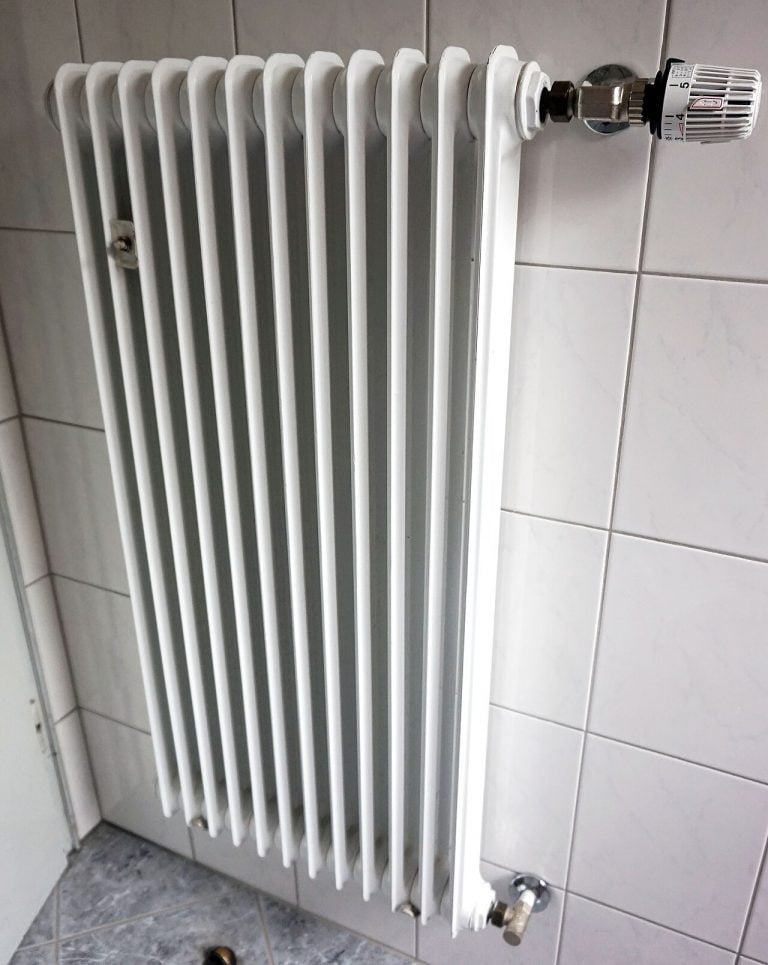
- Wipe baseboards, windowsills, and radiators. Steam radiators collect dust fast in NYC apartments; a dry microfiber cloth or vacuum brush handles most of it while the radiator is cold.
- Handle walls and scuffs. Use a melamine sponge gently on scuff marks near light switches, doorways, and behind furniture.
- Clean windows and any non-opening panes you can safely reach, plus the frames and tracks where grime collects.
- Vacuum and mop floors last, working from the far corner toward the door. Empty all trash and take it out.
What NOT to do
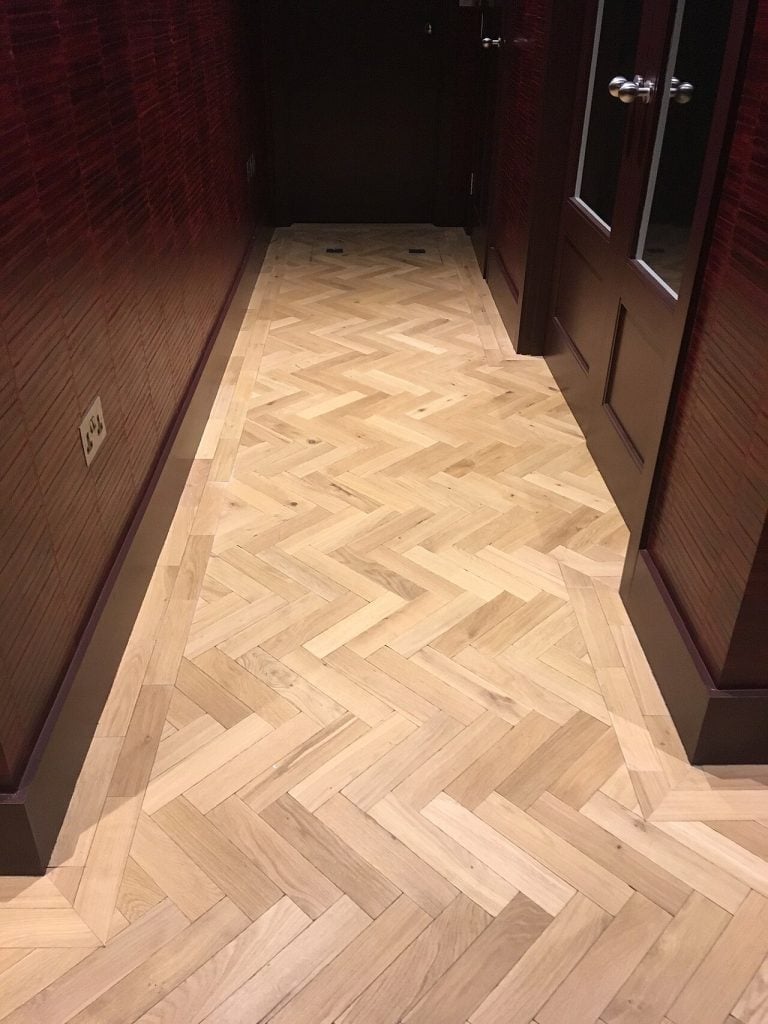
Don't run a cold radiator's melamine sponge over painted valves so hard you strip the paint — landlords notice bare metal. On hardwood or laminate, skip soaking-wet mopping; standing water swells the seams and warps boards, which is a deposit issue. Don't use abrasive powders on a fiberglass or acrylic tub, since they leave permanent scratches. Avoid bleach on colored grout or near fabrics, and never mix bleach with any other cleaner. On stainless appliances, wipe with the grain, not in circles. And don't paint over scuffs to hide them unless your lease allows it — mismatched touch-ups often read worse than the mark.
When to call a pro
DIY covers a routine inspection well. But if you're near the end of your lease, dealing with heavy grease, mold along the tub, an oven that hasn't been cleaned in a year, or a deposit you can't afford to lose, a professional deep clean is worth it. Pros bring equipment and time you may not have in a small apartment with limited storage, and they know the spots landlords check. If this is a move-out situation, book a move-out cleaning with CleanWhale and hand over a place that photographs clean.
FAQ
How much notice does a landlord need before an inspection in NYC?
New York doesn't set one statewide notice rule, but most leases require reasonable advance notice, often 24 hours, except in emergencies. Check your lease for the exact terms so you have time to clean.
What do landlords look at most during an inspection?
Kitchens and bathrooms first, then damage: water stains, scuffs, cracked tiles, broken fixtures, and anything that reads as neglect. They're checking condition and cleanliness, not judging your decor.
Can a dirty apartment affect my security deposit?
Yes. Cleanliness beyond normal wear, like grease buildup or grime, can be deducted for cleaning. Documenting the condition with photos before and after you clean helps protect your deposit.
How long does it take to clean a studio before an inspection?
A focused clean of a NYC studio usually takes two to four hours solo. A deep clean after a long tenancy, or a full move-out, takes longer, which is when many renters call a pro.
Related guides