






















How to Deep Clean a Small NYC Apartment, Room by Room
 05.07.2026

To deep clean a small apartment, work top to bottom and one room at a time: clear surfaces, dust from the ceiling down, scrub the kitchen and bathroom, then vacuum and mop last. In a studio or one-bedroom, plan on three to five focused hours. Start with the room that has the most buildup, usually the bathroom or kitchen.
What you'll need
- Microfiber cloths (a stack of 8 to 10) and a couple of old toothbrushes for grout and fixtures
- An all-purpose cleaner, a bathroom cleaner, and a glass cleaner (fragrance-free options exist if your window doesn't open)
- Baking soda and a bottle of white vinegar for tubs, sinks, and hard-water spots
- A vacuum with a crevice tool, or a broom and dustpan for walk-ups without storage for a big machine
- A microfiber flat mop and bucket, or a spray mop that stores flat behind a door
- Rubber gloves, a step stool, and a trash bag for the declutter pass
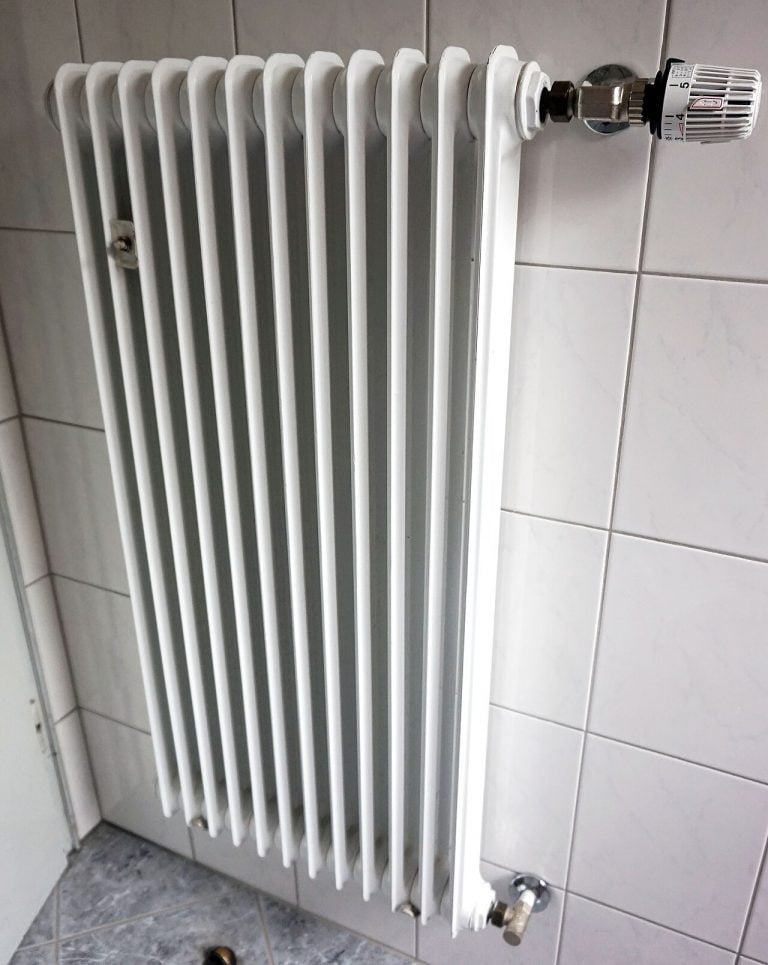
- A dry cloth or dust brush for radiator fins
Step by step
- Declutter first. You cannot deep clean around piles. Do a fast pass with a trash bag and a "relocate" box so every surface is clear before you wipe it.
- Open the window if you can. Airflow matters in a small space, especially when you're using bathroom cleaner. If your window doesn't open, run the bathroom or kitchen exhaust fan and keep the door open.
- Dust from the top down. Ceiling corners, light fixtures, the tops of cabinets and door frames, shelves, then baseboards. Dust falls, so working downward means you clean it once.
- Do the radiators. Steam radiators collect dust between the fins. When the radiator is cold, brush or vacuum the fins and wipe the top. Never wet-clean a hot radiator.
- Tackle the kitchen. Empty and wipe the fridge, degrease the stovetop and backsplash, clean inside the microwave, and scrub the sink. Wipe cabinet fronts where hands touch them.
- Tackle the bathroom. Apply cleaner to the tub, tile, and toilet and let it sit while you scrub grout with a toothbrush. Wipe mirrors and fixtures, then rinse everything down.
- Wipe high-touch spots. Light switches, door handles, the fridge handle, faucet levers, and remote controls.
- Vacuum, then mop. Vacuum floors, under the bed, and along baseboards with the crevice tool. Mop hard floors last so you finish on a clean surface and walk out, not in.
What NOT to do
Don't pour vinegar on natural stone. If your building has a marble or travertine vanity or windowsill, acid etches it dull; use a pH-neutral cleaner instead. Don't use abrasive powder or a scrub sponge on acrylic tubs and glass cooktops, since both scratch permanently. Don't wet-clean a hot steam radiator, and don't drape wet rags over it to dry, as trapped moisture can flash-rust the metal. Skip the "mop the whole place with one bucket" approach in a bathroom; dirty water just spreads. And don't spray cleaner near a sealed, non-opening window without running a fan first.
When to call a pro
DIY handles routine buildup, but there's a point where it stops paying off. Move-out cleaning tied to a security deposit, years of oven grease, grout that stays gray no matter how hard you scrub, or a place you simply don't have a free afternoon for are all good reasons to hand it off. A crew brings equipment that won't fit in a hall closet and knows what a landlord actually inspects. If you'd rather skip the whole afternoon, book a deep cleaning with CleanWhale.
FAQ
How long does it take to deep clean a studio apartment?
Most studios take three to five hours solo, depending on how much decluttering you do first and how much buildup is in the kitchen and bathroom. Splitting it across two evenings, wet rooms one night and floors the next, keeps it manageable.
In what order should I clean the rooms?
Start with the dirtiest wet room, usually the bathroom or kitchen, while you have the most energy. Do bedrooms and the living area next, and always leave floors for last so you're not tracking dust back across clean surfaces.
How do I clean a steam radiator?
Wait until it's completely cold. Brush or vacuum the dust from between the fins, then wipe the top and sides with a barely damp cloth. Dry it fully and never leave wet rags on it.
How often should a small apartment get a deep clean?
A full deep clean every three to four months works for most renters, with quick weekly upkeep on the kitchen, bathroom, and floors in between. Pets, radiators, and open windows near a busy street mean more dust, so adjust from there.
Related guides