






















Vinegar and Bleach: Why You Should Never Mix Them
 21.07.2026

Never mix vinegar and bleach. Combining them releases chlorine gas, which can burn your eyes, throat, and lungs — a real danger in a small NYC apartment with one window or a bathroom that doesn't vent. If you've already mixed them, leave the room, get fresh air, and call Poison Control at 1-800-222-1222. Use bleach and vinegar separately, never together.
What you'll need
- Bleach OR vinegar — one at a time, never in the same session on the same surface
- Rubber gloves
- A window you can open, or a bathroom fan (more on that below)
- Separate buckets or spray bottles, clearly labeled
- Plenty of plain water for rinsing between products
- Paper towels or a rag you can throw out
Step by step
The goal here isn't a recipe — it's a routine that keeps these two products far apart.
- Pick one product for the job. Decide whether you're using bleach or vinegar before you start. Don't reach for both.
- Ventilate first. Open your window if it opens. If it doesn't — common in older NYC units — run the bathroom exhaust fan, open the apartment door to the hallway, and keep the session short.
- Never combine in a bucket or bottle. Keep bleach and vinegar in separate containers. Don't top off a bleach solution with vinegar to "make it stronger."
- Rinse completely before switching. If you clean with vinegar and later want to use bleach on the same tile or sink, flood the surface with plain water first and wipe it dry. Residue left behind can react.
- Watch drains and toilets. Pouring vinegar down a drain you just treated with bleach — or the reverse — can create fumes in an enclosed bathroom. Flush with water in between.
- Store them apart. Under a cramped sink, keep the caps tight and the bottles on opposite sides so a spill from one can't reach the other.
What NOT to do
- Don't mix them to "boost" cleaning power. The reaction produces chlorine gas, not a better cleaner. There's no version of this that works.
- Don't mix bleach with ammonia either. That combination produces chloramine gas. Many glass and multi-surface sprays contain ammonia, so read labels before using anything alongside bleach.
- Don't use bleach on natural stone. Marble and granite windowsills or vanities can etch and discolor. Don't use vinegar on stone either — its acidity dulls the finish.
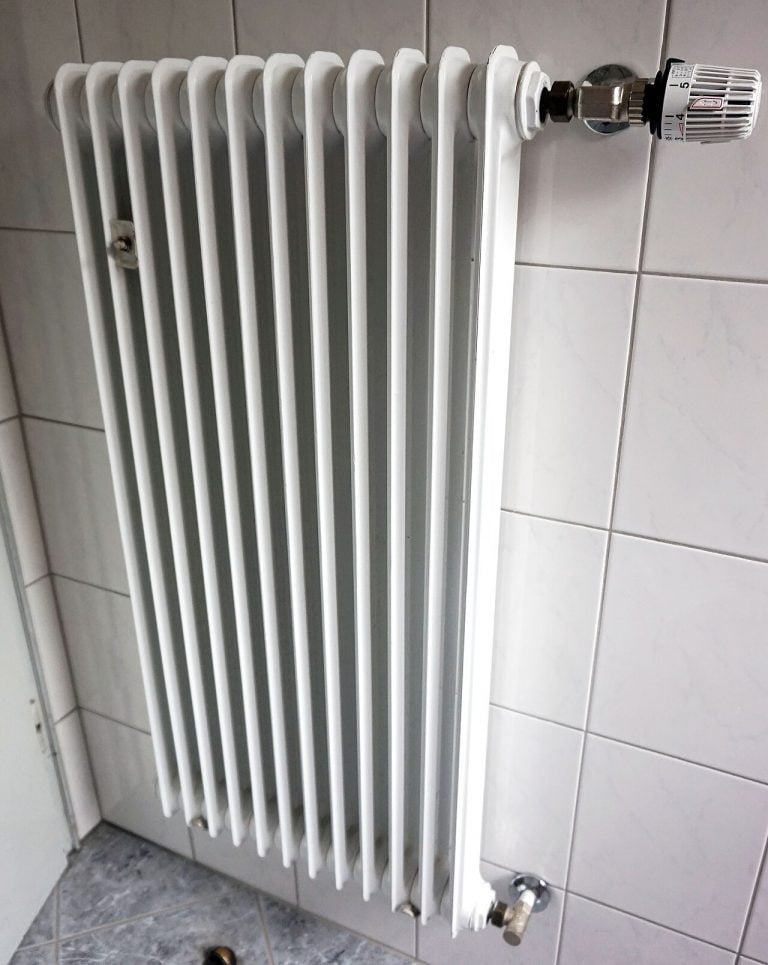
- Don't pour either product on a hot steam radiator. Heat drives fumes into the air fast, and a small room fills quickly.
- Don't work in a sealed bathroom. If your window doesn't open and there's no fan, prop the door and limit your time in the room.
- Don't ignore symptoms. Coughing, watery eyes, or a tight chest means leave and get air immediately.
When to call a pro
If your bathroom has no window and no working fan, or if grout and fixtures have built up grime that tempts you to reach for stronger and stronger product combinations, that's the point to stop mixing your own chemistry. A trained cleaner brings the right single-purpose products, works methodically so nothing dangerous ends up in the same bucket, and handles ventilation in tight, poorly-aired units. If you'd rather not gamble with fumes in a studio, book apartment cleaning with CleanWhale and skip the risk entirely.
FAQ
What gas does vinegar and bleach make?
Mixing vinegar and bleach releases chlorine gas. Even small amounts can irritate your eyes, nose, throat, and lungs, and it's especially dangerous in a closed, poorly-ventilated apartment. If you've mixed them, leave the area and call Poison Control at 1-800-222-1222.
I already smelled fumes after mixing — what do I do?
Leave the room right away and get to fresh air. Don't go back in to clean it up. Once you're breathing clean air, call Poison Control at 1-800-222-1222 for guidance. If you have serious trouble breathing, call 911.
Can I use vinegar and bleach on the same day?
Yes, as long as you never combine them and you rinse surfaces and drains thoroughly with plain water in between. Keep them in separate containers, and ventilate the space while you work.
Is it safe to mix bleach with other cleaners?
Treat bleach as something to use on its own. Combined with ammonia — found in many glass and all-purpose sprays — it produces chloramine gas. Read labels, and don't blend bleach with any other product.
Related guides