






















Cleaning Products You Should Never Mix (and What to Do If You Already Did)
 21.07.2026

Never mix bleach with ammonia, bleach with vinegar, or bleach with any other cleaner. Bleach and ammonia release chloramine gas; bleach and vinegar release chlorine gas. Both can burn your lungs, and in a small apartment they build up fast. If you already mixed them, leave the room, open a window, and call Poison Control at 1-800-222-1222.
What you'll need
The point here is to keep dangerous pairs apart, so most of this is about setup, not tools:
- The original product bottles with their labels intact (never decant into unlabeled containers)
- Nitrile or rubber gloves
- A single cleaner per job — not two at once, not two in a row on the same wet surface
- An open window or a bathroom exhaust fan if you have one
- The Poison Control number saved in your phone: 1-800-222-1222
Step by step: which pairs to avoid
- Bleach + ammonia. This combination releases chloramine gas. Ammonia hides in many glass cleaners and some floor products, so check labels before using anything alongside bleach.
- Bleach + vinegar. Releases chlorine gas. People try this thinking two cleaners work better than one — they don't, and the fumes are hazardous.
- Bleach + rubbing alcohol. Produces chloroform and other irritating compounds. Keep them on separate jobs.
- Bleach + any acidic toilet-bowl or drain product. Many of these are acidic and react with bleach to release chlorine gas. Use one product, flush, and walk away.
- Two different drain cleaners. Pouring a second drain product on top of the first can cause a violent reaction inside the pipe. Use one, and never a second.
- Hydrogen peroxide + vinegar. In the same container this forms peracetic acid, which irritates skin, eyes, and lungs. Use each on its own and rinse between.
The safest rule for a small apartment: finish one product, rinse the surface with plain water, ventilate, and only then reach for a different bottle.
What NOT to do
- Don't clean with the bathroom door and window both shut. NYC bathrooms are tiny and many have a non-opening or airshaft window. Fumes concentrate quickly. Run the exhaust fan or crop the door open to the hallway.
- Don't mix cleaners in a bucket to "save a step." Combining a degreaser, a bleach product, and a glass spray in one bucket is exactly how you create gas.
- Don't pour bleach down a drain right after a commercial drain opener. The residue is still in the pipe.
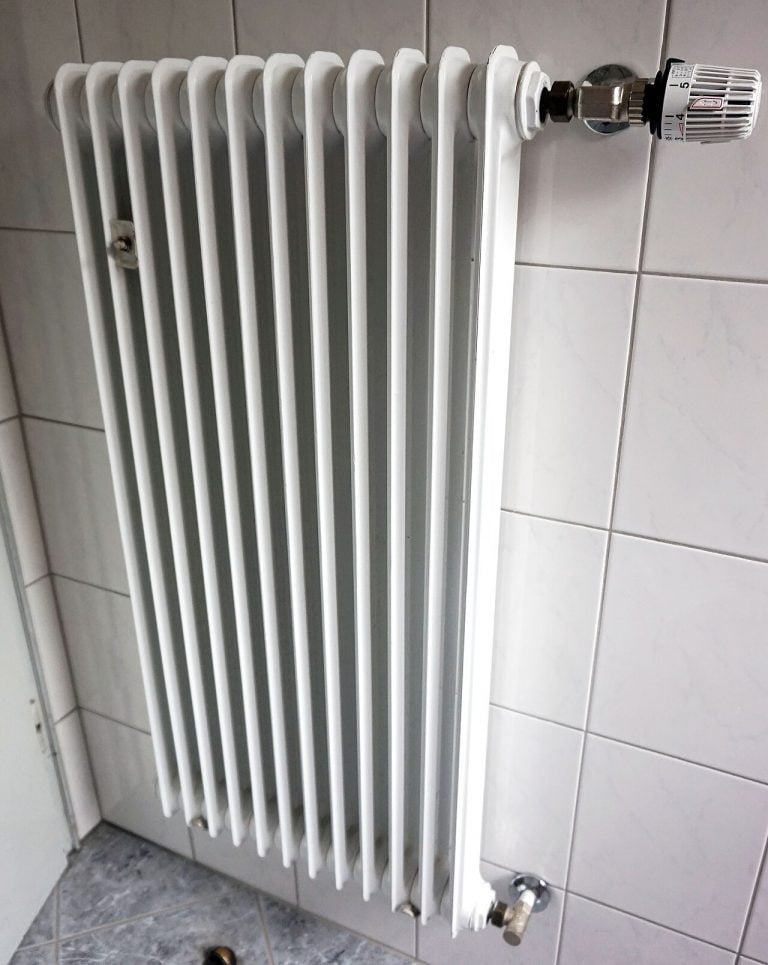
- Don't use bleach near a steam radiator that's hot and hissing. Heat and moving air spread fumes faster; wait until it's cooled.
- Don't store bleach and ammonia products next to each other under the sink where a leak or spill could let them meet.
When to call a pro
DIY stops when you're tempted to combine products to cut through built-up grime, or when a job is big enough that you'd be working in fumes for an hour in a closed room. A trained crew brings the right single-product approach for each surface and works safely in tight spaces without guessing at chemistry. If you'd rather not manage any of this in a small apartment with limited ventilation, book apartment cleaning with CleanWhale and hand off the job.
FAQ
What should I do if I already mixed bleach and another cleaner?
Stop, leave the room immediately, and get fresh air. Open a window and turn on the exhaust fan if you can do so quickly without breathing more fumes. Then call Poison Control at 1-800-222-1222 for guidance. If you have trouble breathing, chest tightness, or coughing that won't stop, call 911.
Is it fine to mix cleaners if I open a window first?
No. Ventilation lowers your exposure but does not stop the chemical reaction or make the gas harmless. The rule is to never mix these products at all, ventilation or not.
Can I use bleach and vinegar one after the other?
Not on the same wet surface, and not in the same session without rinsing thoroughly with plain water in between. Leftover residue from one can react with the other. It's simpler to pick one product for the job.
Which everyday products secretly contain ammonia or acid?
Many glass and multi-surface sprays contain ammonia, and toilet-bowl cleaners, rust removers, and some tile cleaners are acidic. Always read the label before using anything alongside a bleach product.
Related guides