





















Pet Safe Floor Cleaner: A Renter's Guide for NYC Apartments
 19.07.2026

A pet-safe floor cleaner is one where the ingredients are listed on the label, it's fragrance-free or lightly plant-based, and you keep pets off the floor until it dries. Choose a product formulated for your floor type, dilute exactly as directed, ventilate the room, and never mix cleaning products. Store everything out of paw's reach.
What you'll need
- A floor cleaner labeled for your surface (sealed hardwood, laminate, tile, or vinyl) — read the ingredient list, not the marketing on the front
- A microfiber flat mop and a spare washable pad or two
- A bucket with measurement markings, or a spray bottle for spot cleaning
- Warm water
- Two clean microfiber cloths (one damp, one dry)
- A window cracked open or a fan for airflow — important in a small apartment with a non-opening window
- A gate or a closed door to keep pets in another room while floors dry
Step by step
- Pick up food bowls, toys, and litter mats. Sweep or vacuum first so you're not smearing hair and grit around.
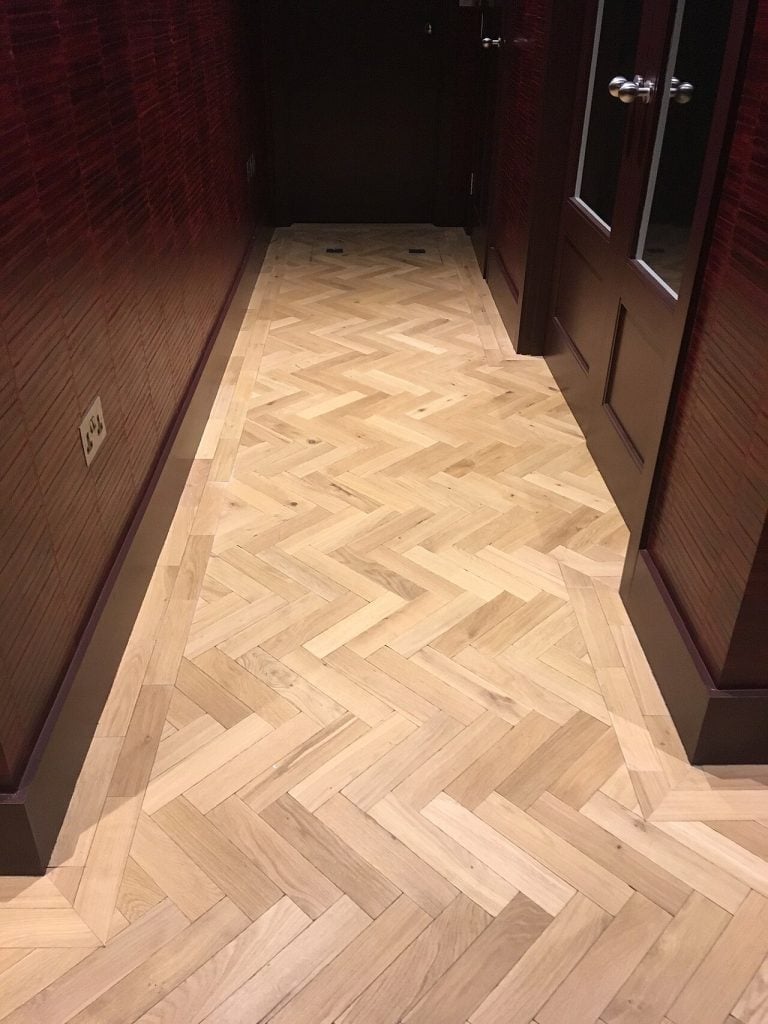
- Check your floor type. Sealed hardwood and laminate hate standing water; tile and vinyl tolerate more. Match the cleaner to the surface.
- Read the dilution directions and measure. More product does not clean better — it leaves a sticky film your pet will lick off their paws.
- Open a window or run a fan before you start. Ventilation matters even with plant-based cleaners in a tight studio.
- Dampen the microfiber pad — damp, not soaked. Mop in sections, working toward the door.
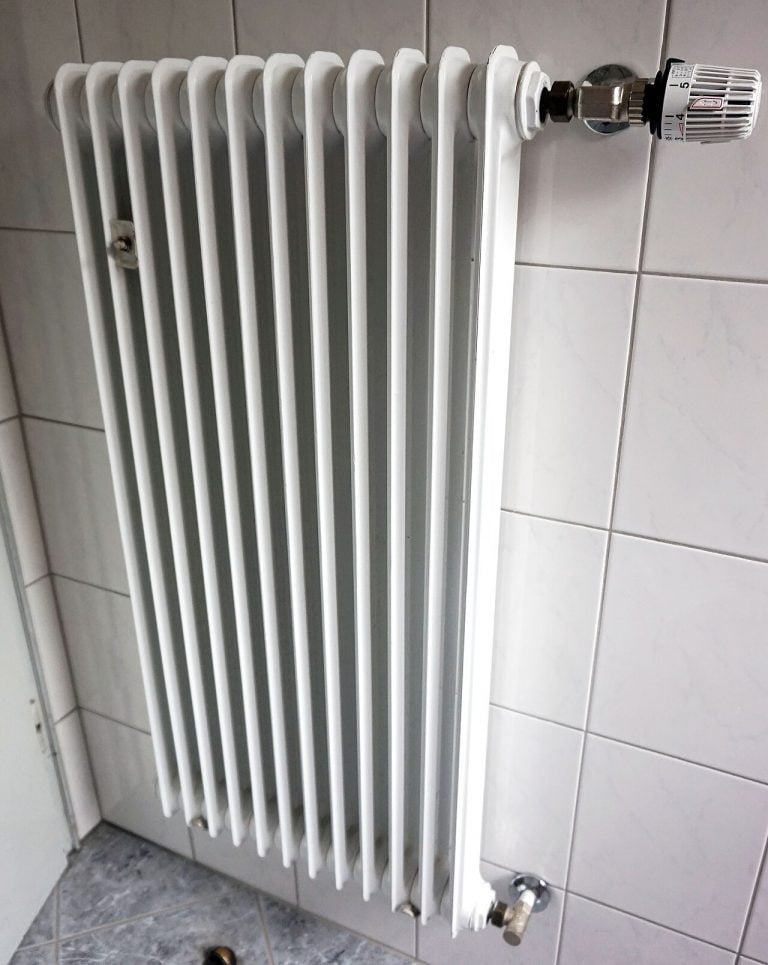
- Wipe up any puddles immediately with a dry cloth, especially near baseboards and steam radiators where water pools.
- Let the floor dry completely before you let your cat or dog back in. Keep them gated out for 15 to 20 minutes.
- Rinse the pad, wash it separately from clothes, and store all cleaners in a closed cabinet.
What NOT to do
Never mix cleaning products. Bleach combined with ammonia releases chloramine gas; bleach combined with vinegar releases chlorine gas. Both are dangerous in a small apartment, and pets low to the floor breathe it first. Use one product at a time and rinse surfaces before switching. Don't drench sealed hardwood or laminate — trapped water swells the boards and voids many landlords' patience. Skip oil soaps and heavy waxes on laminate; they leave a slick residue. Don't clean floors directly under a hot steam radiator with a wet mop while it's running — the heat bakes residue into the finish. And never assume a pleftover essential-oil blend is fine around cats; many are not.
When to call a pro
DIY handles weekly maintenance, but some jobs are beyond a microfiber mop. If your rental has old hardwood with a failing finish, deep pet-urine staining that has soaked into the wood, or grout that stays discolored no matter what, a one-off deep clean protects both the floor and your security deposit. It's also worth it before a move-out inspection or after a sick pet. Book an apartment cleaning with CleanWhale and let someone with the right equipment handle the parts that risk damaging the surface.
FAQ
What should I do if my pet licks floor cleaner or a puddle?
Call Poison Control right away at 1-800-222-1222, and have the product label ready to read them the ingredients. For animals you can also contact your vet or an animal poison hotline. Don't wait for symptoms.
Is vinegar a good pet floor cleaner?
Diluted vinegar is a common household choice for tile and vinyl, but it can dull and etch stone and damage some sealed-wood finishes over time. Test a hidden corner first, and never combine it with bleach or any other product.
How do I clean floors in a studio with a window that doesn't open?
Run a fan pointed toward the hallway or bathroom vent, open your apartment door for cross-breeze if you can, and stick to low-fragrance products. Work in small sections so nothing sits pooling, and give the floor extra drying time since air moves slowly in a closed space.
How often should I clean floors with a pet indoors?
A quick sweep or vacuum every couple of days and a damp mop once a week is a reasonable rhythm for a small NYC apartment, more often during shedding season or if your pet tracks in street grime.
Related guides