






















Can You Mix Hydrogen Peroxide and Vinegar? What NYC Renters Should Know
 20.07.2026

Do not mix hydrogen peroxide and vinegar together in the same bottle. Combining them creates peracetic acid, a corrosive compound that can irritate your skin, eyes, and lungs, especially in a small NYC apartment with poor airflow. If you want to use both, apply one, wipe the surface clean, then apply the other separately. Never store them premixed.
What you'll need
- 3% hydrogen peroxide (the brown drugstore bottle)
- Plain white distilled vinegar
- Two separate, clearly labeled spray bottles
- A few clean microfiber cloths or paper towels
- Nitrile or rubber gloves
- A window you can crack, or a fan pointed toward it
- The original product labels for anything else in your cabinet
Step by step
- Keep them apart. Store hydrogen peroxide and vinegar in their own bottles. Peroxide has to stay in an opaque container because light breaks it down, so leave it in the bottle it came in.
- Ventilate first. Crack the window or run a fan before you start. In a studio or one-bedroom, fumes build up fast, and a painted-shut or non-opening window means you should clean near your best source of air.
- Use one, then the other. If you want a two-step approach, spray vinegar on the surface, wipe it down, then spray peroxide and wipe again with a fresh cloth. The surface should be clean and mostly dry between steps so the two liquids are not pooling together.
- Wear gloves. Both liquids are mild on their own, but repeated contact dries and irritates skin. Peracetic acid, if you accidentally combine them, is worse.
- Label everything. Roommates and future-you should be able to tell the bottles apart at a glance. Never reuse a bleach bottle for anything else.
What NOT to do
The bigger danger in most kitchens is not peroxide at all. Never mix bleach with vinegar: that releases chlorine gas. Never mix bleach with ammonia (found in many glass cleaners): that produces chloramine gas. Both can send you to the ER, and a windowless bathroom is exactly the wrong place to find out. Do not combine cleaning products hoping for a stronger result.
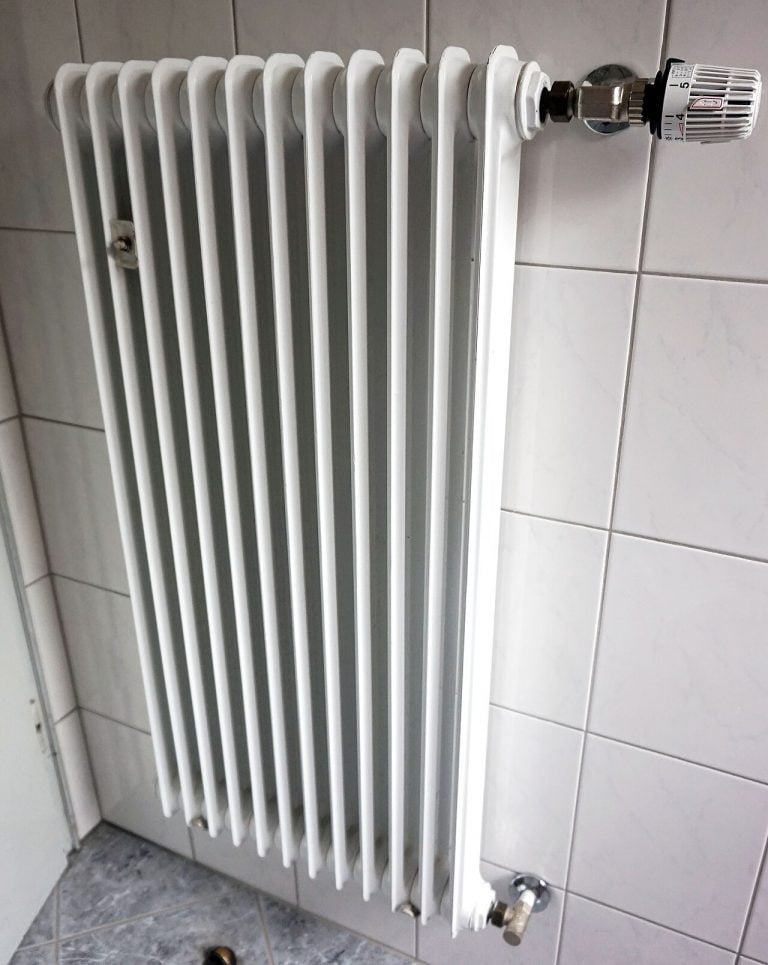
Surface-specific mistakes matter too. Do not use vinegar on natural stone like marble or unsealed granite countertops or windowsills, or on stone tile in older buildings, because the acid etches and dulls them. Keep vinegar off waxed or unsealed hardwood floors and cast-iron radiators, where the acid can strip finish and encourage rust. Do not let hydrogen peroxide sit on colored grout or fabric, since it can lighten them.
When to call a pro
DIY makes sense for a countertop wipe-down or a weekly bathroom refresh. It stops making sense when you are trying to strategize which products can go together, when a surface is delicate and expensive to replace, or when you simply do not have the ventilation to do this comfortably. If you are staring at a cabinet of half-labeled bottles before a move-out inspection, it is faster and lower-risk to hand it off. Book apartment cleaning with CleanWhale and skip the chemistry.
FAQ
Is hydrogen peroxide and vinegar together dangerous?
Mixed in a bottle, they form peracetic acid, which is corrosive and irritating to skin, eyes, and airways. Used as two separate steps with a wipe in between, the risk is much lower. The advice is simple: do not premix or store them combined.
What household mixtures actually cause toxic gas?
Bleach plus vinegar releases chlorine gas. Bleach plus ammonia produces chloramine gas. Both are serious, and both are more likely in a cramped, poorly ventilated NYC bathroom. If you ever mix products by accident and start coughing or feel dizzy, get to fresh air.
What should I do if I mixed something and feel sick?
Leave the room, open a window if you can, and call Poison Control at 1-800-222-1222. If you have trouble breathing, call 911. Do not go back in to clean up the spill until the air has cleared.
Can I use hydrogen peroxide or vinegar to disinfect?
For true disinfecting, use an EPA-registered product and follow its label for dwell time and use. Vinegar and peroxide are useful for general cleaning and cutting grime, but do not treat them as a substitute for a registered disinfectant.
Related guides