


















How to Clean Vinyl Plank Flooring in a NYC Apartment
 23.08.2026

To clean vinyl plank flooring, sweep or vacuum first, then damp-mop with a well-wrung microfiber mop and a few drops of pH-neutral floor cleaner in warm water. Work in sections, keep the mop barely damp (never soaking), and let the floor air-dry. Skip steam mops, wax, and abrasive scrubbers, which can damage the wear layer.
What you'll need
- A soft-bristle broom or a vacuum with the beater bar turned off (or a hard-floor setting)
- A flat microfiber mop with a washable pad
- A bucket or, in a tight kitchen, a large mixing bowl
- pH-neutral floor cleaner made for luxury vinyl plank (LVP), or a small squirt of dish soap
- Warm water
- A dry microfiber cloth for spills and corners
- A doormat for the entry, if your lease allows one in the hallway
Step by step
- Clear the floor. In a studio or one-bedroom, slide the coffee table and any chairs onto a rug so you can reach the open planks.
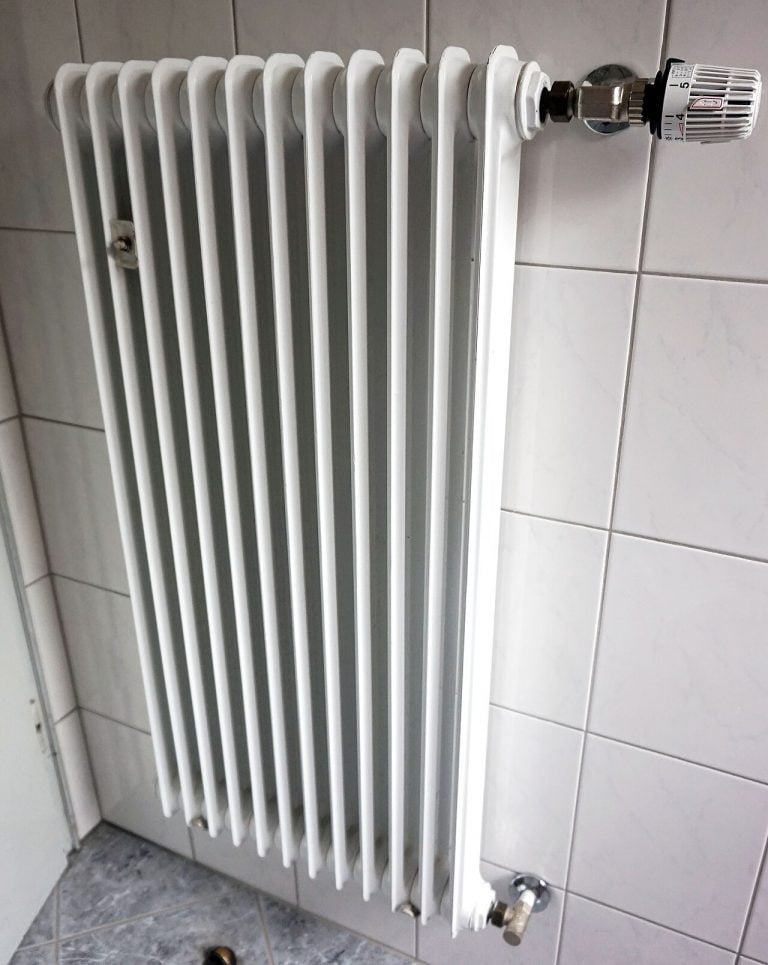
- Dry-clean first. Sweep or vacuum the whole floor, paying attention to the strip along the baseboards and under the radiator where NYC dust and grit collect.
- Mix your solution. Add a few drops of pH-neutral cleaner to warm water. More soap is not better; it leaves a film that traps dirt.
- Wring the mop hard. The pad should feel damp, not dripping. Vinyl plank is water-resistant on top, but standing water can seep into the seams and reach the subfloor.
- Mop in sections, following the direction of the planks. Rinse or swap the pad when it looks gray.
- Tackle sticky spots with a cloth and a little more solution, plus gentle rubbing. Do not gouge with anything metal.
- Let it air-dry. A ceiling fan or a cracked window speeds things up; if your window doesn't open, just give it 15 to 20 minutes before walking through.
What NOT to do
- Don't use a steam mop. Heat and forced moisture can loosen the adhesive and warp the planks, and it may void your flooring warranty.
- Don't wax or polish. LVP already has a finished wear layer; wax builds up, yellows, and gets slippery.
- Don't scrub with abrasive pads or powders. They scratch the printed surface, and once the wear layer is worn through, there's no fixing it.
- Don't let water pool near seams, thresholds, or the base of a steam radiator. Wipe drips right away.
- Don't drag furniture across bare planks. Use felt pads under table and chair legs, which matters more in a small apartment where everything gets moved a lot.
When to call a pro
DIY handles weekly upkeep well, but some jobs are bigger than a microfiber mop. Ground-in grime after a party, a move-out deep clean where you need the deposit back, or a floor that hasn't been touched since the last tenant are all worth handing off. A pro brings the right pH-neutral products and time you may not have on a work night. If your planks look dull no matter how you mop, or you're prepping the whole unit for a walkthrough, book apartment cleaning with CleanWhale and let someone else handle the floors and the corners you keep skipping.
FAQ
Can I use vinegar on vinyl plank flooring?
It's better to skip it. Diluted vinegar is acidic, and over time it can dull the wear layer and any factory finish. A pH-neutral cleaner made for LVP is the safer choice for the floor itself.
How often should I mop vinyl plank flooring?
Sweep or vacuum every few days in a busy NYC apartment, since grit tracked in from the street is what actually scratches the surface. A damp mop once a week is usually enough; the entryway and kitchen may need it more often.
Why does my vinyl floor look streaky after mopping?
Streaks almost always mean too much cleaner or a dirty pad. Use less soap, wring the mop harder, and rinse or change the pad when it turns gray. A final pass with a barely damp pad clears leftover residue.
Can water damage vinyl plank flooring?
The top is water-resistant, but the seams and the subfloor underneath are not. Standing water from an over-wet mop, a pet bowl, or a radiator drip can work into the joints, so wipe spills quickly and keep your mop only damp.
Related guides