





















Can You Use Vinegar on Hardwood Floors? A Renter's Guide
 28.08.2026

Yes, but with caution. You can use a highly diluted vinegar solution (about a tablespoon of white vinegar per gallon of water) on sealed hardwood floors for occasional cleaning. Never use it undiluted, and never on unsealed, waxed, or oiled wood. Vinegar is acidic and can dull or etch the finish over time.
What you'll need
- White distilled vinegar
- A gallon of warm water (or a smaller bucket-and-measure if your kitchen is tight)
- A flat microfiber mop or two flat microfiber cloths
- A dry microfiber towel for buffing
- A soft-bristle broom or vacuum with a hard-floor setting
- A spray bottle if you want to work section by section
Step by step
- Confirm your floor is sealed. Drop a little water in a corner: if it beads and sits, it's sealed and can handle a damp mop. If it soaks in and darkens the wood, stop here and skip the vinegar entirely.
- Sweep or vacuum first. Grit is what actually scratches wood, so pull dust from along baseboards and under the radiator before anything gets wet.
- Mix your solution: one tablespoon of white vinegar per gallon of warm water. Do not eyeball a stronger batch thinking it cleans better. It doesn't, and the acid works against you.
- Wring the mop or cloth until it's barely damp. On hardwood, "damp" means it leaves no visible film of water behind. Standing water is the real enemy in an apartment with slow-drying air.
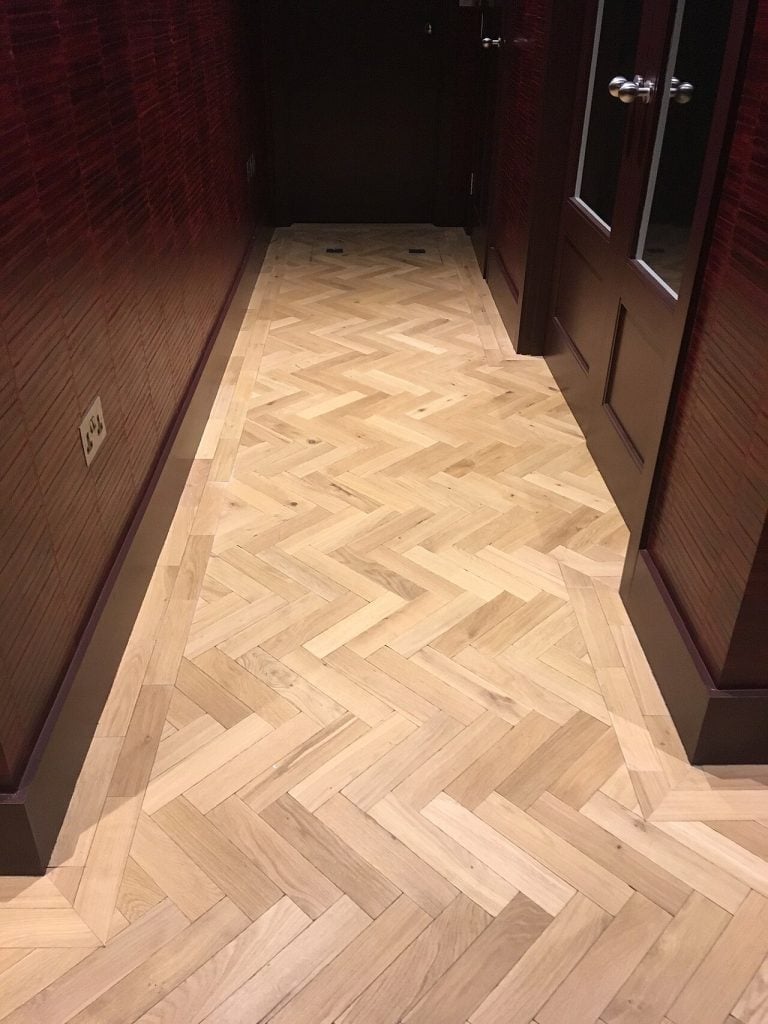
- Mop with the grain in small sections, following the wood planks. Rinse the pad often so you're not dragging dirt around a small room.
- Buff dry with a clean microfiber towel, especially near the door and under the window where drafts and foot traffic hit hardest.
- Let the floor air out. Crack a window if yours opens; if it doesn't, run a fan for 20 minutes so nothing stays wet in the seams.
What NOT to do
- Don't use vinegar on unsealed, waxed, or oil-finished wood. The acid strips the finish and leaves dull gray patches that a mop won't fix.
- Don't slop water on the floor. Water seeps into plank seams, swells the wood, and lifts the finish. This is worse in older NYC buildings where floors already have gaps.
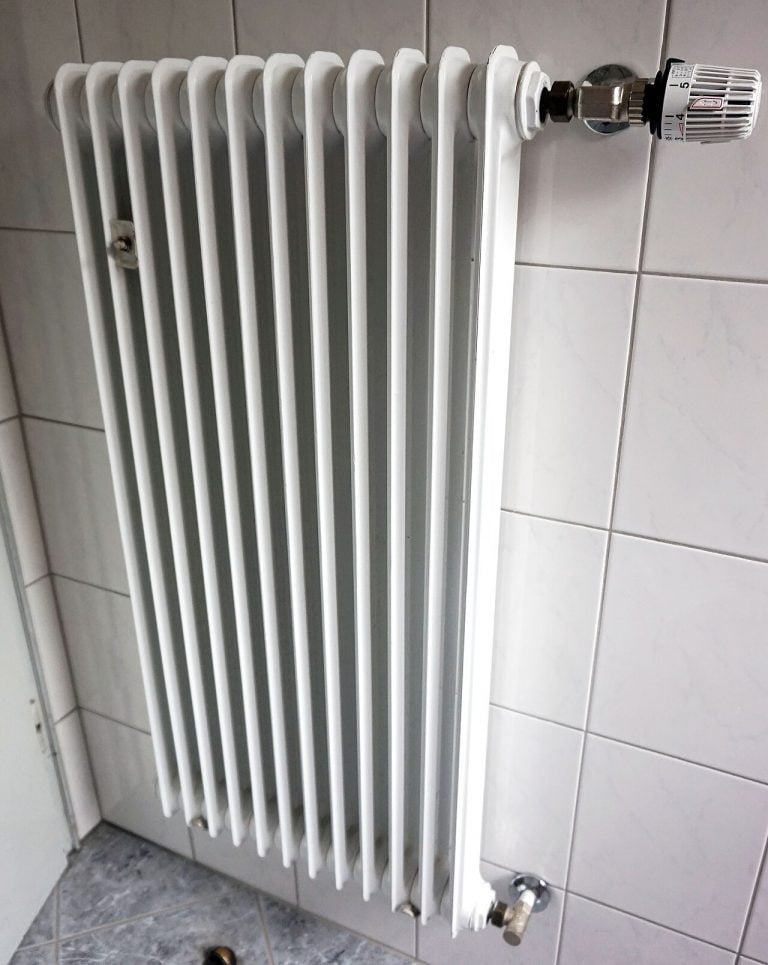
- Don't clean over a hot steam radiator's drip zone without drying it. Warm, damp wood by a radiator cups and warps faster than the rest of the room.
- Don't use undiluted vinegar to "cut" a tough spot. You'll etch a shiny floor into a matte one, and the difference shows in daylight.
- Don't mix vinegar with bleach or any other cleaner. Combining them can release hazardous fumes, which matters a lot in a small apartment.
- Don't skip the sweep. Mopping over grit grinds fine scratches into the finish.
When to call a pro
DIY vinegar-and-water is fine for routine upkeep, but it won't fix a floor that's already gone dull, sticky, or hazy from years of the wrong products, and it can't touch deep scratches, water rings, or a finish that's wearing through to bare wood. If your landlord expects the floors spotless for a move-out, or you simply don't have the storage for a mop and buckets in a studio, it's worth handing it off. Book apartment cleaning with CleanWhale and let someone handle the floors while you deal with everything else.
FAQ
Does vinegar damage hardwood floors?
It can. Vinegar is acidic, so on unsealed, waxed, or oiled wood it dulls and etches the surface. On a sealed floor, a heavily diluted solution used occasionally is generally fine, but repeated use of strong vinegar can wear down the finish over time.
What's the best thing to mop hardwood floors with?
Plain warm water on a barely-damp microfiber mop handles most everyday cleaning. If you want more, a pH-neutral hardwood floor cleaner made for your finish is safer long-term than vinegar. Whatever you use, wring it out well and dry the floor after.
Can I use vinegar to make my floors shine?
No. Vinegar won't add shine, and stronger mixes can actually flatten a glossy finish. Shine comes from a clean, intact seal, so the move is to remove dirt gently and buff the floor dry rather than reach for more acid.
How often should I mop hardwood in a small apartment?
A light damp mop once a week in high-traffic spots like the entryway and kitchen is plenty. Sweep or vacuum more often. In a small space, dirt tracks in fast, but over-mopping puts more water into the wood than it needs.
Related guides