





















How to Clean Travertine Floors in a NYC Apartment
 24.08.2026

To clean travertine floors, dust-mop or vacuum first, then damp-mop with warm water and a pH-neutral stone cleaner. Never use vinegar, lemon, or standard bathroom cleaners; their acid etches the stone. Wring the mop nearly dry, work in small sections, and buff with a soft towel so no water sits in the pores.
What you'll need
- A pH-neutral cleaner made for natural stone (check the label)
- A dust mop or vacuum with a bare-floor/hard-floor setting (no beater bar)
- A soft microfiber flat mop
- Two buckets: one for cleaner, one for rinse water
- A few dry microfiber towels for buffing
- Warm water
- Painter's tape and a plastic sheet if you're spot-treating a stain
Step by step
- Clear the floor and dry-clean it. In a small apartment, slide the coffee table and rug aside. Dust-mop or vacuum the whole surface. Grit is the real enemy on travertine; walked-in sand scratches the polish faster than any mop ever will.
- Mix your cleaner. Dilute the pH-neutral stone cleaner per the bottle. Don't eyeball it, and don't add "a little extra" for a tough day. Fill the second bucket with plain warm water for rinsing.
- Damp-mop in sections. Dip the microfiber mop, then wring it until it's barely damp. Clean a 3-by-3-foot patch, moving with the stone's veining, not scrubbing in circles.
- Rinse as you go. Swap to the rinse-water mop to lift any cleaner residue, which can dull the finish over time. Change the rinse water when it looks cloudy.
- Dry each section. Buff with a dry towel before moving on. Travertine is porous, and standing water seeps into the pits and leaves marks, especially on tumbled or honed finishes.
- Handle spills fast. Blot wine, coffee, or juice immediately, then rinse the spot. Acidic liquids left to sit are how dull etch marks appear.
What NOT to do
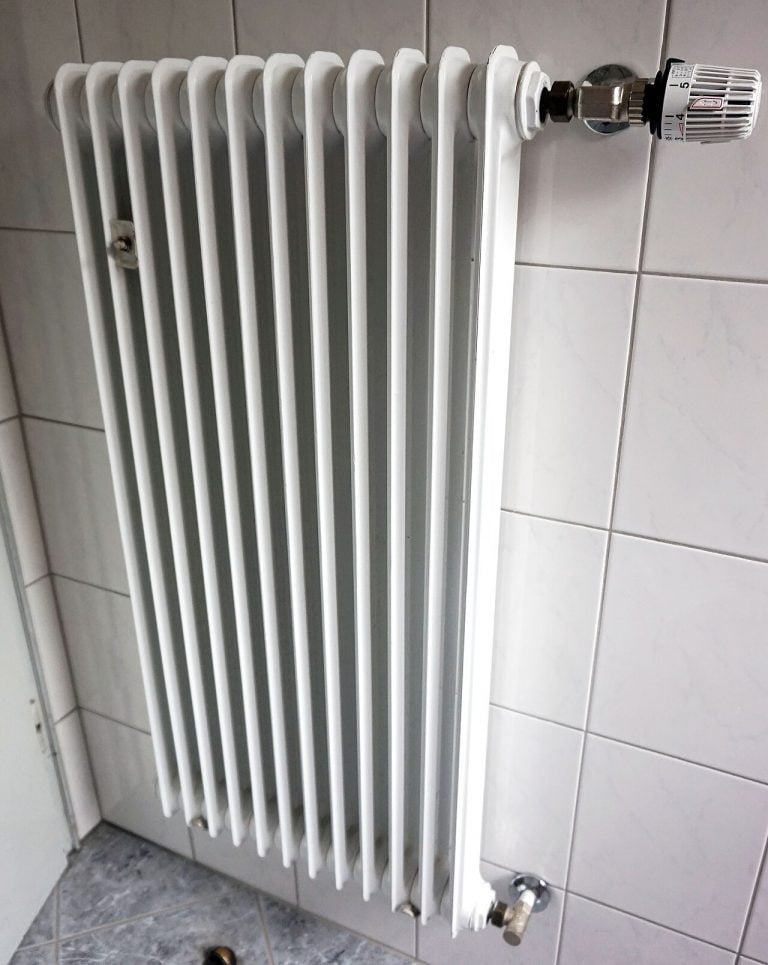
Skip the vinegar-and-water hack you saw online; acetic acid reacts with the calcium in travertine and leaves permanent dull spots. The same goes for lemon juice, most tub-and-tile sprays, and bleach-based bathroom cleaners. Don't use a steam mop, either; the heat and forced moisture drive water deep into the stone and can degrade the sealer. Avoid scouring pads, magic-eraser sponges, and stiff brushes; they abrade the surface. And keep radiator drips and window-AC condensation off the stone, since minerals in that water can leave rings on travertine near a steam radiator or a non-opening window where the AC lives.
When to call a pro
DIY covers routine cleaning, but it stops at damage. If your travertine already has etch marks, deep stains that won't rinse out, cracked grout lines, or a sealer that's worn to the point water darkens the stone on contact, that's honing, polishing, or resealing work for a stone specialist, not a mop job. And if you're a renter facing a move-out inspection and a landlord who noticed the floor, a thorough turnover cleaning takes the pressure off. Book apartment cleaning with CleanWhale and we'll handle the routine so the stone stays presentable between professional restorations.
FAQ
Can I use dish soap on travertine floors?
Occasionally and heavily diluted, yes, but it's not ideal. Dish soap tends to leave a film that builds up and dulls the finish, so you'd have to rinse thoroughly every time. A pH-neutral stone cleaner rinses cleaner and is worth the small closet space in a tight apartment.
How often should I clean travertine in a small apartment?
Dust-mop high-traffic paths every few days, since a NYC entryway tracks in grit constantly. Do a full damp-mop weekly, or more often if you have pets or a roommate. Wipe kitchen and bathroom travertine as spills happen rather than waiting.
Does travertine need to be sealed?
Most travertine floors are sealed, and the sealer wears down over time. A rough test: drip a little water on the stone. If it beads, the seal is intact; if it soaks in and darkens the spot within a minute or two, it's time to have it resealed by a pro.
Why did my travertine get a dull spot?
That's almost always an etch from something acidic, like a splash of orange juice, wine, a coffee ring, or an acidic cleaner. It's a chemical reaction with the stone, not dirt, so scrubbing won't fix it. Light etching can sometimes be buffed out by a stone restorer.
Related guides