





















How to Clean a Cast-Iron Steam Radiator in Your NYC Apartment
 20.08.2026

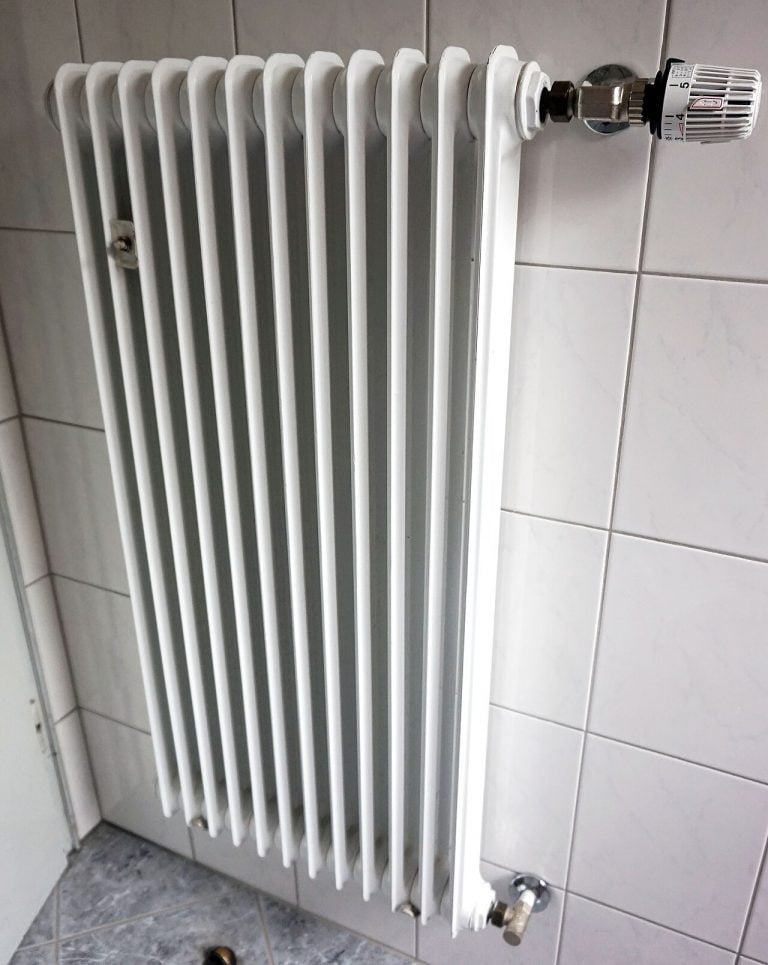
To clean a cast-iron steam radiator, wait until it's fully cool and the heat is off, then vacuum loose dust from the fins with a crevice tool, slide a long duster or radiator brush between the columns, wipe the outside with a damp microfiber cloth and a drop of dish soap, and dry it. Do this before heating season starts.
What you'll need
- Vacuum with a crevice and brush attachment
- A long, flexible radiator brush or a duster on a bendable wand (the narrow gaps between columns are the whole problem)
- Two microfiber cloths
- A drop of liquid dish soap in a bowl of warm water
- An old pillowcase or a sheet of cardboard to catch falling dust
- Painter's tape and a drop cloth for the wall behind it
- Rubber gloves
Step by step
- Turn the heat off and let the radiator go completely cold. Cast iron holds heat for hours, so the safest move is to do this in warmer months or the night after the heat cycles down.
- Lay a drop cloth or towel on the floor in front and, if there's a gap, tuck cardboard behind the radiator against the wall to catch debris.
- Vacuum the top, sides, and visible fins with the brush attachment to lift the loose surface dust first.
- Switch to the crevice tool and work down into the narrow channels between the columns. Slide a damp cloth over a ruler or use a radiator brush to reach the flat back sections you can't see.
- For a trick that saves your back: hold a vacuum hose on one side while you blow or push a duster through from the other, so dust gets caught instead of coating the wall.
- Wring a microfiber cloth in the soapy water until it's just damp, then wipe every reachable surface. Rinse the cloth often; radiator dust turns to gray paste fast.
- Wipe down with a second clean damp cloth, then dry thoroughly so you don't lock moisture against the iron.
- Check the steam valve and the air vent (the small metal cone on the side) and gently wipe around them. Don't unscrew or paint over the vent.
What NOT to do
Don't clean a hot radiator. Water on scorching cast iron flashes to steam, and the metal is hot enough to burn. Don't paint the radiator "to freshen it up" while you're at it, and never paint over the air vent hole. Layers of paint, especially metallic silver, insulate the iron and cut its heat output. Skip harsh scouring pads and steel wool. They scratch the finish and old radiators may carry lead-based paint that you don't want to sand or flake into the room. Don't drape wet laundry directly on the valve or force the valve open or shut. In most NYC buildings the heat is landlord-controlled, and a cracked valve becomes a hissing, dripping problem that isn't yours to repair.
When to call a pro
DIY cleaning handles dust and grime, but it won't fix a radiator that bangs, leaks at the valve, or never gets warm. Those are heating-system issues for your landlord or super, not a cleaning job. And if the surrounding paint is chipping and you suspect it predates 1978, leave the flaking alone and report it. If the radiator is just one item on a long list, deep-cleaning a small apartment before heating season, clearing the dust that has built up behind furniture and along baseboards, that's a good time to book apartment cleaning with CleanWhale and let someone else work around the radiator, the steam pipes, and the window sill you can't quite reach.
FAQ
How often should I clean my radiator?
Once a year at minimum, right before heating season kicks on, plus a quick vacuum mid-winter. Dust that bakes onto hot iron smells and gets pushed around your apartment every time the heat cycles, which matters more in a small space with a window that may not open.
Can I use vinegar or bleach on cast iron?
Warm water with a drop of dish soap is enough for dust and grime. Acidic and bleach-based cleaners can dull or corrode the finish over time, and bleach fumes are rough in a room with limited ventilation. Stick to mild soap and dry the surface fully.
Why does my radiator smell when the heat comes on?
Usually it's dust burning off the hot metal, which is exactly why the pre-season cleaning helps. If you smell something sharper or see a leak, that points to the heating system itself, so tell your super rather than trying to open the unit.
How do I clean the wall and floor behind the radiator?
Use a duster or a microfiber cloth wrapped around a yardstick to reach the gap. A vacuum crevice tool handles the floor dust. If the radiator sits tight against the wall, don't pull it away from the pipe. Just clean what you can reach from the sides.
Related guides