



















How to Clean Prewar Hardwood Floors in Your NYC Apartment
 19.08.2026

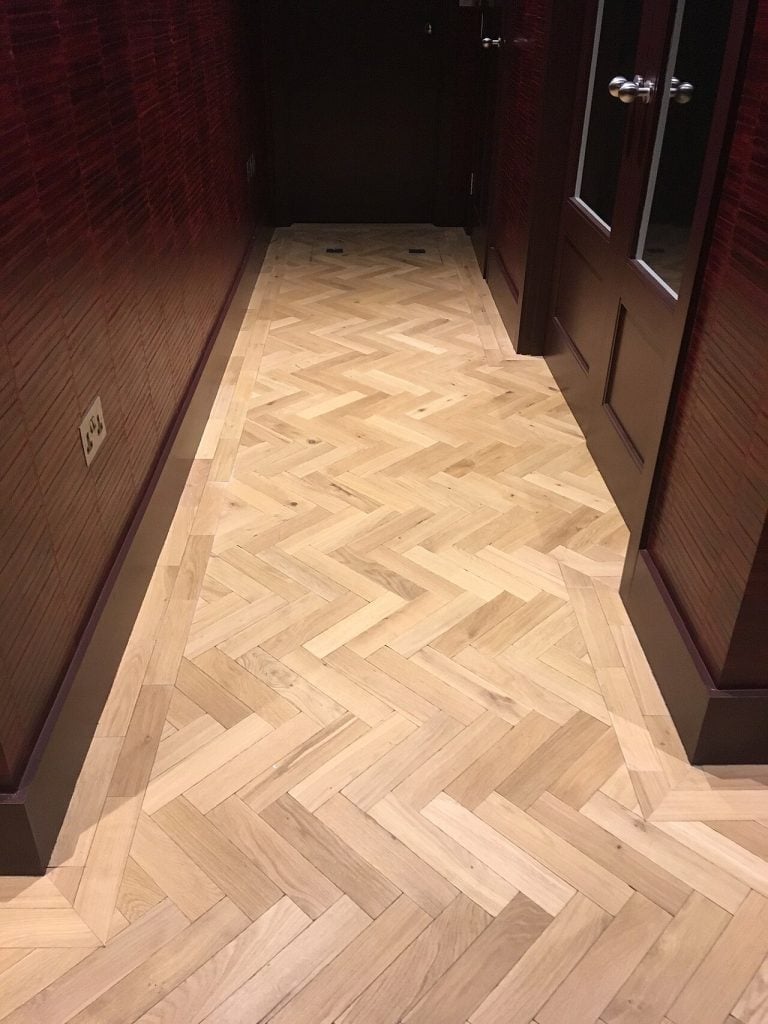
To clean prewar hardwood floors, dry-dust or vacuum first to lift grit, then damp-mop with a well-wrung microfiber flat mop using a small amount of pH-neutral wood cleaner and warm water. Work in the direction of the boards, dry any wet spots immediately, and never let water pool in the seams. Skip steam mops and vinegar entirely.
What you'll need
- A microfiber flat mop (a string mop holds too much water)
- Two small buckets or a spray bottle for controlled misting
- A vacuum with a hard-floor setting, or a soft broom and dustpan
- A pH-neutral hardwood floor cleaner (check the label for "for finished wood")
- A few dry microfiber cloths for drying and spot work
- Felt pads for furniture legs and a doormat for the entry
Step by step
- Clear small rugs and move light furniture aside. In a tight NYC apartment, do one room or one half at a time so you always have somewhere to stand.
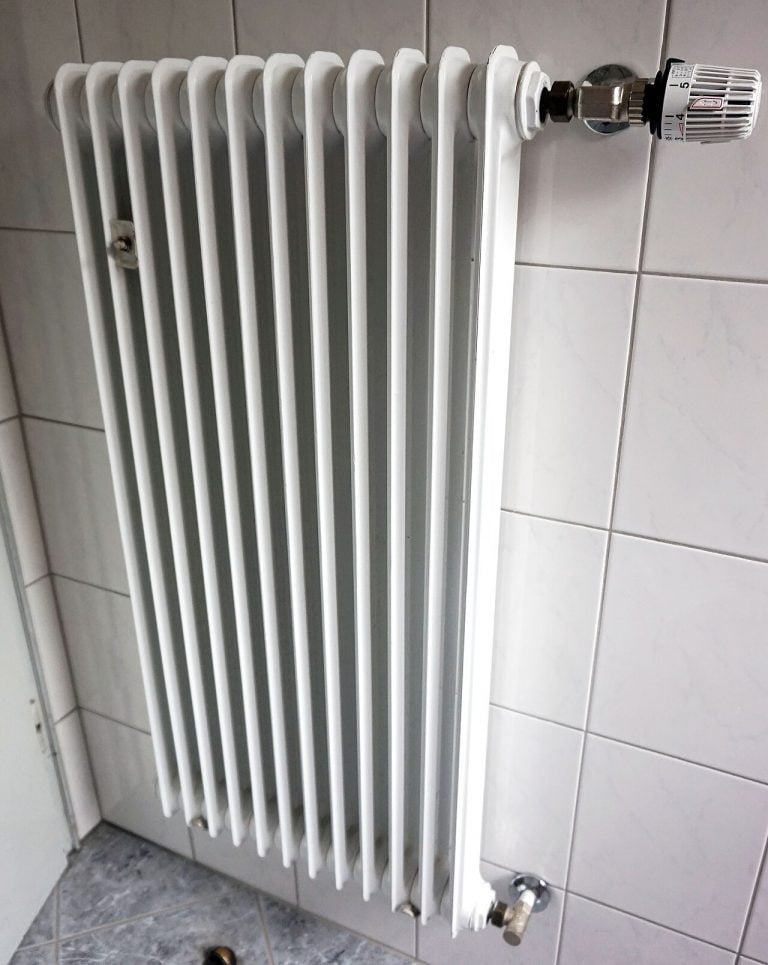
- Dry-clean first. Vacuum or sweep the whole floor, including along baseboards and under the radiator, where prewar dust and grit collect. Grit is what scratches old finishes.
- Mix your solution. Follow the cleaner's dilution directions with warm water. Less is more here: prewar floors often have thin, aged finishes that hate standing water.
- Wring the mop until it's barely damp. Test a hidden corner first, like a closet floor, to see how the finish responds.
- Mop with the grain, in the direction the boards run, in small sections. Re-wring often so you're never pushing a puddle around.
- Dry as you go. Wipe up any glossy wet patches with a dry cloth, paying attention to board seams and gaps where water can seep down to the subfloor.
- Let the floor air-dry fully before replacing rugs or furniture. Open a window if yours opens; otherwise run a fan.
What NOT to do
Don't use a steam mop. Heat and moisture can lift or cloud an old finish and swell the boards. Skip vinegar and other acidic or ammonia-based cleaners; they can dull and etch the finish over time. Never flood the floor or leave a wet string mop sitting on it: prewar boards have gaps, and water that reaches the subfloor causes cupping and stains that a landlord will notice. Avoid oil soaps and wax on a floor with a polyurethane finish, since they leave a film that complicates any future recoat. Keep abrasive pads and stiff brushes off the wood entirely. If your radiator drips, put a tray under it rather than letting it drip onto the boards.
When to call a pro
Routine cleaning is well within DIY range, but there's a limit. If the finish is worn through to bare gray wood, if boards are cupping or lifting, or if there's water damage near a radiator or window, that's a refinishing conversation, not a mopping one, and often a landlord's responsibility to authorize. Deep move-out cleaning, built-up grime from years of tenants, or getting a whole apartment floor-ready on a deadline are also jobs where hands and time matter more than technique. If you'd rather hand it off, book apartment cleaning with CleanWhale and we'll handle the floors along with the rest of the place.
FAQ
Can I use vinegar and water on prewar hardwood?
It's best avoided. Vinegar is acidic and can dull or etch an aged wood finish over repeated use. A pH-neutral cleaner made for finished wood is the safer choice for old floors.
How often should I clean prewar hardwood floors?
Dry-dust or vacuum weekly to keep grit from scratching, and damp-mop every two to four weeks depending on foot traffic. In a small apartment near an entry, more frequent dry cleaning does most of the work.
Why can't I use a steam mop on old floors?
Steam forces heat and moisture into the finish and the gaps between boards. On thin, aged prewar finishes that can cause clouding, lifting, and swelling, which are expensive to fix and easy to prevent.
My prewar floors look dull even after mopping. Why?
Dullness usually means the finish itself is worn or has a residue film from past oil soaps or wax, not that the floor is dirty. No amount of mopping restores a worn finish; that needs a screen-and-recoat by a professional.
Related guides