






















How to Clean Polished Concrete Floors in a NYC Apartment
 22.08.2026

To clean polished concrete floors, dry dust-mop daily to remove grit, then damp-mop with a pH-neutral cleaner diluted in warm water and a well-wrung microfiber flat mop. Skip vinegar, ammonia, and bleach, which can etch or dull the polished surface. Dry any standing water so it doesn't leave marks near your radiator or entry.
What you'll need
- A microfiber dust mop or dry flat mop (the flat kind stores behind a door)
- A microfiber flat mop with a washable pad
- A pH-neutral floor cleaner labeled for polished concrete or sealed stone
- A bucket or a spray bottle for damp-mopping small rooms
- Two or three microfiber cloths for spots and spills
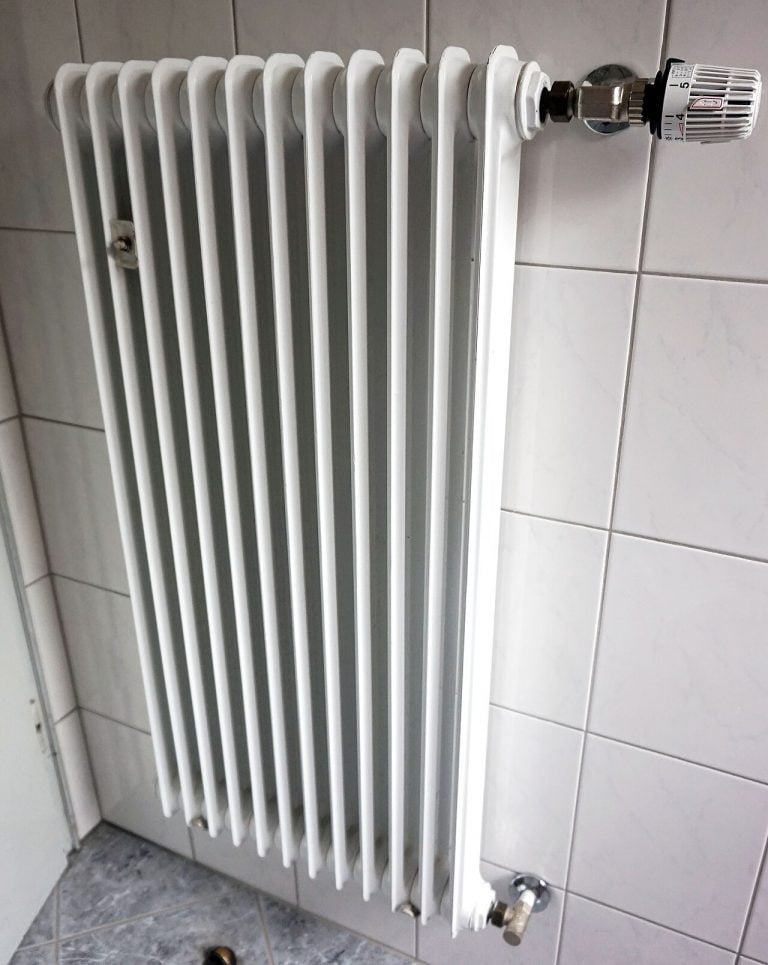
- A soft-bristle broom for corners and under the radiator
- A doormat for the entry (grit is the real enemy)
Step by step
- Dust-mop first. Run a dry microfiber mop over the whole floor to pick up sand, salt, and hair. In a NYC apartment, street grit tracks in fast, and it acts like sandpaper underfoot.
- Mix your cleaner. Dilute a pH-neutral cleaner per the label in warm water. Do not eyeball a stronger mix; concentrated cleaner leaves residue that looks hazy.
- Damp-mop, don't flood. Wring the pad until it's barely wet. Work in sections toward the door. Standing water can seep into seams and leave rings.
- Spot-clean spills right away. Coffee, wine, and cooking oil can stain if they sit. Blot with a damp microfiber cloth, then wipe dry.
- Rinse if the label says so. Some cleaners need a plain-water pass to avoid film. Wring the pad well again.
- Dry the traffic zones. Buff the entry and kitchen strip with a dry cloth or dry mop so footprints and water marks don't set.
What NOT to do
Don't use vinegar, lemon, or any acidic cleaner — acid etches the polished surface and leaves permanent dull patches. Skip ammonia and bleach, which break down the finish over time. Avoid abrasive pads, scouring powder, and stiff scrub brushes; they scratch the sheen. Don't let a leaky steam radiator drip onto the floor unattended — trapped moisture and mineral deposits leave stubborn white rings. Keep furniture felt pads under chair legs, since a small apartment means the same few square feet take all the wear. And never wax a polished concrete floor unless the installer specified a product; the wrong coating gets slippery and yellows.
When to call a pro
DIY handles daily dust and damp-mopping, but polished concrete loses its shine slowly, and once grit has scratched the surface or an acidic spill has etched it, mopping won't bring it back — that needs mechanical polishing or resealing by a concrete specialist. If you're a renter, that's a conversation with your landlord, not a weekend project. For everything short of refinishing — a deep clean before a move-out, built-up haze, or just keeping a small unit consistently clean without buying a closet full of supplies — you can book apartment cleaning with CleanWhale and hand off the routine.
FAQ
Can I use a steam mop on polished concrete?
It's best to avoid it. Repeated heat and moisture can affect the sealer on some polished floors, and manufacturers often advise against steam. A well-wrung microfiber mop with a pH-neutral cleaner does the job without the risk.
How often should I mop polished concrete in an apartment?
Dry dust-mop every day or two, since NYC grit builds up quickly in a small space. Damp-mop weekly, or more often for the kitchen and entry where spills and street salt land first.
Why does my polished concrete look cloudy after mopping?
Usually leftover cleaner residue or hard-water minerals. Use less cleaner, wring the mop tighter, and finish with a plain-water pass and a dry buff. If the haze won't lift, the finish itself may need professional attention.
What removes scuff marks without scratching?
Rub a lightly dampened microfiber cloth over the scuff, or try a clean melamine sponge with very light pressure on a small test spot first. Stop if you see the sheen changing, and don't scrub hard.
Related guides