




















How to Clean Parquet and Herringbone Floors in a NYC Apartment
 19.08.2026

To clean parquet floors, sweep or vacuum first, then wipe with a barely-damp microfiber mop and a pH-neutral wood floor cleaner, following the direction of the wood grain. Never soak the floor or use a wet mop; standing water seeps between the small wood blocks and lifts them. Dry any wet spots right away.
What you'll need
- A soft-bristle broom or a vacuum with a bare-floor (no beater bar) setting
- A flat microfiber mop with a washable pad
- A pH-neutral hardwood floor cleaner (check the label says "for sealed wood floors")
- Two microfiber cloths — one damp, one dry
- A spray bottle, if your cleaner is a concentrate you dilute yourself
- Felt pads for furniture feet (renter-friendly, no drilling)
Step by step
- Dry-clean first. Sweep or vacuum the whole floor to lift grit. Sand and dust act like sandpaper underfoot and scratch the finish, so this step matters more than the mopping.
- Mix or check your cleaner. Use a product made for sealed wood. Avoid oil soaps, wax, and all-purpose sprays — they leave a haze that builds up in the grooves of herringbone.
- Dampen, don't drench. Spray a light mist onto the mop pad or a small section of floor, not a puddle. The pad should feel damp, not dripping.
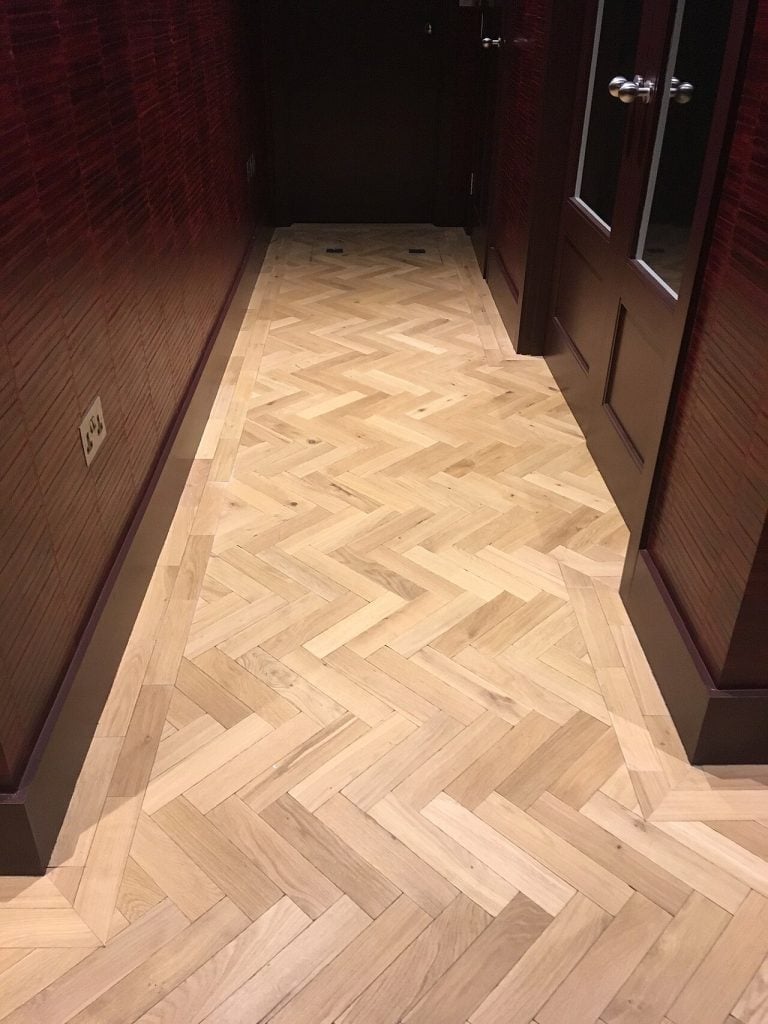
- Mop with the grain. Work in the direction the wood blocks point. On herringbone, follow the zigzag rather than dragging straight across it — this pulls dirt out of the seams instead of pushing it in.
- Work in small sections. Clean a few square feet, then move on. In a tight apartment this also keeps you from stepping on wet finish.
- Dry as you go. Wipe any visibly wet patches with the dry cloth. The floor should look dull-damp and air-dry within a minute or two.
- Rinse the pad often. A dirty pad just smears grime around. Swap or rinse it when it looks gray.
What NOT to do
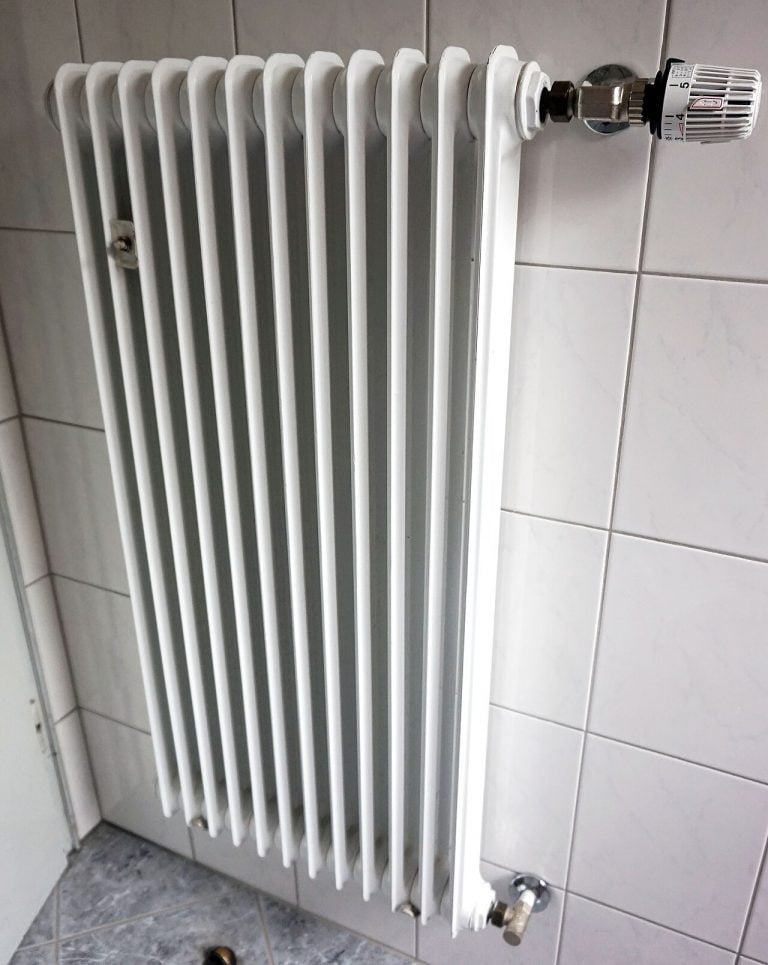
Don't use a soaking-wet string mop or a steam mop. Parquet is many small blocks of wood glued to a subfloor, and forced water or steam swells the wood, pops blocks loose, and can dissolve old adhesive. Skip vinegar and other acidic cleaners — over time they dull and etch a polyurethane finish. Keep the vacuum's beater bar off; those stiff bristles scratch. Never wax a polyurethane-sealed floor, and don't let a leaking radiator or a plant saucer sit on the wood — steam radiators and their drip valves are a classic NYC cause of dark water stains along the baseboard.
When to call a pro
DIY handles routine dirt, but it won't fix deep gray water stains, cupping from a radiator leak, or a finish that's worn through to bare wood — those need sanding and refinishing by a flooring specialist, not a mop. And if you're staring at a whole apartment of neglected floors before a move-out inspection, or you simply don't have the storage for mops and buckets in a studio, it's reasonable to hand it off. Book apartment cleaning with CleanWhale and we'll handle the regular upkeep so the wood stays in good shape between refinishings.
FAQ
How often should I clean parquet floors?
Sweep or vacuum high-traffic paths a couple of times a week, especially near the entry where street grit lands. A damp mop once a week or every other week is plenty for most apartments — over-mopping adds moisture the wood doesn't need.
Can I use a steam mop on herringbone?
No. Steam drives moisture and heat into the seams between blocks, which is exactly where herringbone is most vulnerable. Stick to a barely-damp microfiber pad.
What about scuffs and dull spots?
Light surface scuffs often rub out with a dry microfiber cloth or a little floor cleaner on a rag. A widespread dull look usually means the finish is wearing thin, which is a refinishing job rather than a cleaning one.
My landlord's floors already look worn — am I on the hook?
Document existing scratches and water stains with photos when you move in. Regular gentle cleaning protects you at move-out, but pre-existing wear from before your lease isn't something a mop can undo.
Related guides