






















How to Clean Marble Floors Without Etching Them
 25.08.2026
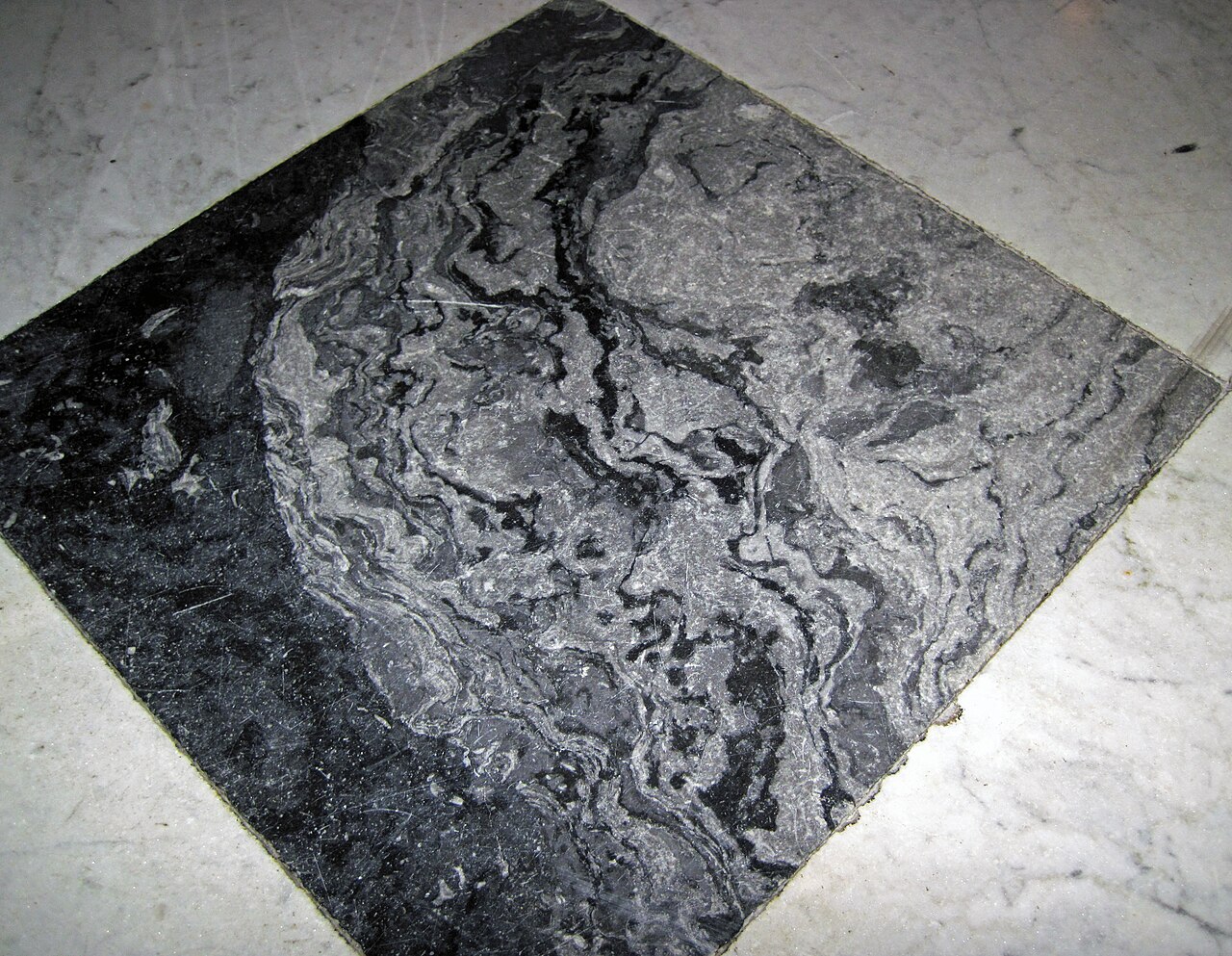
To clean marble floors without etching them, dust-mop first, then damp-mop with warm water and a few drops of pH-neutral stone cleaner. Wring the mop nearly dry, work in sections, and dry with a soft cloth. Skip vinegar, lemon, and any acidic or "all-purpose" cleaner — acid eats into the calcite and leaves permanent dull marks.
What you'll need
- A dust mop or microfiber flat mop (dry)
- A second microfiber mop head for wet cleaning
- Two buckets, or one bucket plus a sink you can rinse in
- pH-neutral stone cleaner (look for "safe for natural stone / marble" on the label)
- Warm water
- Soft, lint-free drying cloths or a flat microfiber towel
- A soft-bristle brush or old toothbrush for grout lines
- A doormat for the entry (grit is marble's real enemy)
Step by step
- Dry-dust first. Run a dust mop over the whole floor to lift grit and hair. In a small apartment, sand tracked in from the street acts like sandpaper underfoot, so never skip this.
- Mix your solution. Fill one bucket with warm water and add pH-neutral stone cleaner per the label. Keep the second bucket with clean rinse water.
- Work in small sections. Dip the mop, wring it until it's just damp — not dripping — and wipe a few square feet at a time. Standing water can seep into seams and under baseboards.
- Rinse as you go. Swish the mop in the clean-water bucket between sections so you're not pushing dirty film around.
- Dry immediately. Go over each cleaned section with a soft cloth or dry microfiber. Air-drying leaves streaks and water spots on polished marble.
- Detail the grout. For polished tile with grout lines, work a soft brush gently along the seams; don't let acidic grout products touch the stone itself.
What NOT to do
- No vinegar, lemon, or citrus. These are acids. On marble they cause etching — dull, rough spots that no amount of scrubbing removes.
- No generic "all-purpose" or bathroom sprays. Many are acidic or alkaline enough to dull the finish. Read the label; if it doesn't say safe for natural stone, keep it off the floor.
- No abrasive pads, scouring powder, or stiff brushes. They scratch polished marble permanently.
- Don't let water pool near steam radiators or seams. Repeated moisture at the base of a radiator can work into the stone and mortar over time.
- Don't drag furniture. In a tight studio it's tempting, but a chair leg will gouge marble. Lift, or use felt pads.
- Don't over-wet. Marble is porous; a soaking mop leaves streaks and can darken the stone.
When to call a pro
DIY handles routine dust-mopping and damp cleaning, but it stops at damage. If your marble already has etch marks, dull patches, deep-set stains, or a worn finish, that's a job for stone restoration — honing and re-polishing with equipment and compounds that aren't renter-friendly. And if you simply don't have the time, the storage for a second set of mops, or the floor space to work section by section in a crowded apartment, hand it off. Our team knows which products are safe on natural stone and which will wreck it. Book apartment cleaning with CleanWhale and we'll keep your marble looking right.
FAQ
Can I use vinegar to clean marble floors?
No. Vinegar is acidic and will etch marble, leaving permanent dull spots. Use a pH-neutral stone cleaner and warm water instead.
How often should I clean marble floors in an apartment?
Dust-mop high-traffic areas like the entry and kitchen every few days to keep grit off the surface, and damp-mop the whole floor about once a week. Wipe spills right away, especially juice, wine, or coffee.
Why does my marble floor look dull in spots?
Those are usually etch marks from acidic liquids or cleaners reacting with the stone. Light etching sometimes improves with a marble polishing product, but deeper marks need professional honing.
Do I need to seal marble floors?
Sealing helps a porous stone resist staining, but it doesn't prevent etching. In a rental, check with your landlord before sealing — and ask a stone pro whether your specific floor needs it.
Related guides