


















How to Clean Hardwood Floors Without Streaks in a NYC Apartment
 27.08.2026

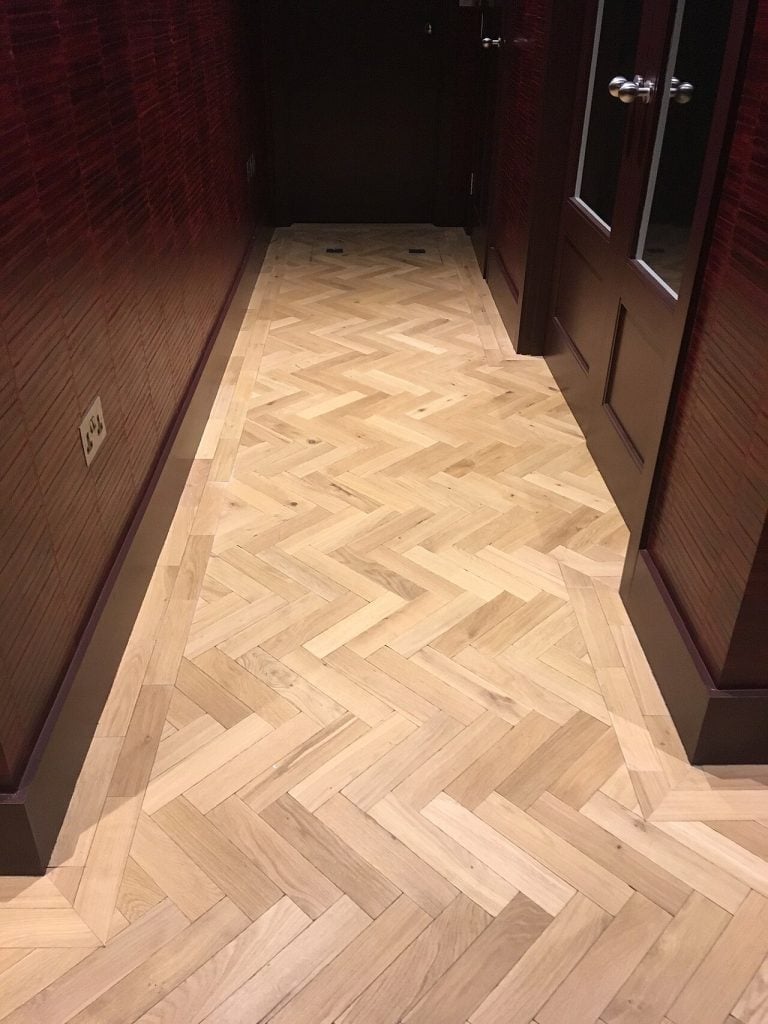
To clean hardwood floors without streaks, dry-dust first, then mop with a barely-damp microfiber flat mop and a pH-neutral wood floor cleaner diluted per its label. Work in small sections in the direction of the grain, and dry-buff any wet spots with a clean cloth. Streaks come from too much water and leftover residue, not the floor.
What you'll need
- A microfiber flat mop (the flat swivel kind, not a string or sponge mop)
- Two microfiber pads or cloths: one for cleaning, one dry for buffing
- A pH-neutral hardwood floor cleaner (check the label says pH-neutral and safe for finished wood)
- A dust mop or a vacuum with a bare-floor setting
- A spray bottle, if your cleaner isn't already a spray
- A small bucket of clean water for rinsing the pad
- A doormat by the entry to cut down on grit tracked in
Step by step
- Clear the floor. In a small apartment, move the coffee table and chairs into one room so you can work in continuous strips. Lift rugs and let them air.
- Dry-dust first. Run a dust mop or vacuum over the whole floor. Grit is what scratches finish and drags into streaks under a wet mop, so never skip this.
- Mix or shake your cleaner. Follow the label dilution exactly. More cleaner does not clean better; it leaves film that dries into streaks.
- Dampen, don't soak, the pad. Mist the cleaner onto the microfiber pad or lightly onto the floor a few feet ahead of you. The pad should feel damp, not dripping. Standing water is the enemy of wood.
- Mop with the grain. Work in sections about three to four feet wide, moving in the direction of the boards. Overlap each pass slightly.
- Buff as you go. Follow behind with the dry microfiber cloth on any spot that still looks wet or hazy. This single habit removes most streaks.
- Rinse the pad often. When the pad picks up grime, rinse it, wring it nearly dry, and continue. A dirty pad just smears residue around.
- Let it air-dry. Keep foot traffic off until the floor is fully dry. If a window won't open, crack the apartment door or run a fan to move air.
What NOT to do
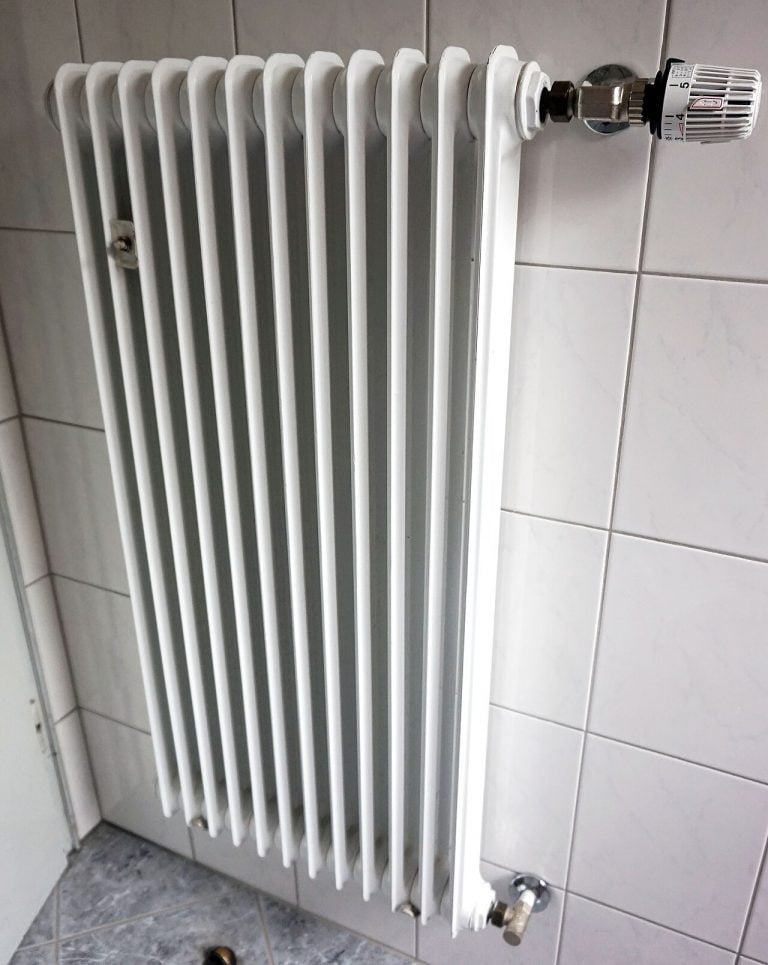
Don't use a string mop and a bucket of soapy water. Excess water seeps between boards, and older NYC parquet and plank floors swell and cup when they get too wet. Skip steam mops on wood too; the heat and moisture can lift the finish. Avoid oil soaps and wax build-up products, which leave a residue that traps dust and looks cloudy. Never use straight vinegar or ammonia on a finished floor; both are acidic or harsh enough to dull the finish over time. And keep the floor away from your steam radiator during cleaning, since a floor that's damp right next to a heat source can dry unevenly and streak.
When to call a pro
DIY cleaning keeps a finished floor looking good week to week, but it can't fix what's already worn. If your floors look permanently dull no matter how carefully you mop, have deep scratches, water stains, or old wax build-up you can't lift, that's a refinishing or restoration job, not a cleaning one, and it's worth talking to a flooring specialist before your lease inspection. If you'd rather hand off the routine cleaning entirely, or you're prepping for a move-out and want the whole apartment handled, book apartment cleaning with CleanWhale.
FAQ
Why do my hardwood floors streak after mopping?
Almost always too much water or too much cleaner. Both leave a residue that dries into streaks. Use a barely-damp pad, dilute the cleaner exactly as the label says, and buff behind yourself with a dry cloth.
Can I use dish soap on hardwood floors?
It's better to skip it. Dish soap isn't formulated for finished wood and tends to leave a dulling film that builds up over time. A pH-neutral cleaner made for hardwood rinses cleaner and won't leave that haze.
How often should I clean hardwood floors in a small apartment?
Dust-mop or vacuum a couple times a week, especially by the entry where grit collects, and damp-mop every one to two weeks. High-traffic strips near the door and kitchen may need mopping more often.
Do I need to rinse after mopping with a wood floor cleaner?
Most pH-neutral hardwood cleaners are made to be used without rinsing, so check the label. The key is applying only a light amount so there's nothing left to rinse in the first place.
Related guides