






















Do I Need to Open Windows When Cleaning My Apartment?
 19.07.2026

Yes, open a window or run ventilation whenever you clean, especially in a small New York City apartment. Cleaning-product fumes concentrate fast in a studio or one-bedroom, and some products release irritating gases if they mix. If you can't open a window, run the bathroom or kitchen exhaust fan and keep the door open to the hallway.
What you'll need
- An openable window, or a bathroom/kitchen exhaust fan if yours is painted shut
- A box fan or small fan to push air toward the window
- One cleaner at a time — not several bottles open at once
- Gloves for anything with bleach or ammonia on the label
- The product's original label (read it before you spray)
- The Poison Control number saved in your phone: 1-800-222-1222
Step by step
- Before you start, open the largest window you can. In a railroad or studio layout, open a window at each end if you have them to create cross-flow.
- If your window is painted shut or faces an airshaft with no breeze, turn on the bathroom and kitchen exhaust fans and leave interior doors open.
- Place a fan a few feet inside the window, blowing outward, to pull fumes out rather than circulating them around the room.
- Work with one product at a time. Finish with it, rinse the surface, and let it dry before switching to a different cleaner on the same spot.
- Read each label and follow its directions for airflow. Many bathroom and drain products specifically tell you to ventilate.
- Take a break in fresh air if you notice eye, nose, or throat irritation. Keep the room ventilated for a while after you finish, since fumes linger in tight spaces.
What NOT to do
Never mix bleach with ammonia. The combination releases chloramine gas, which irritates the eyes, nose, throat, and lungs. Ammonia hides in many glass and multi-surface cleaners, so check labels before reaching for bleach on the same surface.
Never mix bleach with vinegar or other acids. That reaction releases chlorine gas. Don't try to "boost" a bleach cleaner with anything — use it alone, exactly as the label says.
Don't pour one drain product down after another. Combining a bleach-based and an acid- or ammonia-based drain cleaner in a pipe can trap dangerous gas in your plumbing. Use one, flush thoroughly, and wait.
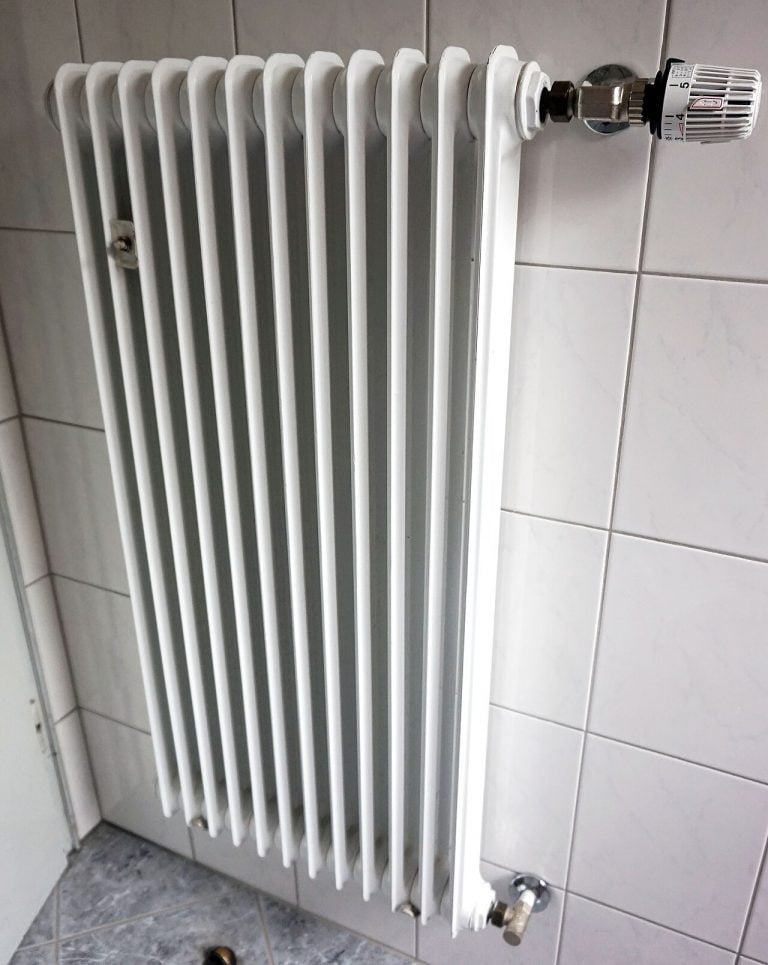
Don't clean a windowless bathroom with the door closed and the fan off. In a sealed tiled room, fumes have nowhere to go. And never drape wet rags over a hot steam radiator to dry — it bakes off residue into the air and can scorch fabric.
When to call a pro
If you've already mixed products and you smell a sharp or irritating odor, leave the apartment, get to fresh air, and call Poison Control at 1-800-222-1222; call 911 if anyone has trouble breathing. Beyond emergencies, deep-cleaning a small apartment often means working around a painted-shut window, a radiator you can't move, and almost no storage for supplies. If ventilation is poor or you'd rather not juggle products in a tight space, book apartment cleaning with CleanWhale and let a trained team handle it.
FAQ
Is it okay to clean with the windows closed if I run the AC?
A window AC unit mostly recirculates indoor air, so it doesn't clear fumes the way an open window does. Use an exhaust fan and open interior doors, and open the window as soon as weather allows.
My apartment window is painted shut. What can I do?
Use your bathroom and kitchen exhaust fans, prop interior doors open, and take frequent breaks in a ventilated area like the hallway. You can also ask your landlord to free the window, since it's a basic ventilation and safety issue.
What if I already mixed two cleaners by accident?
Stop, leave the room, and get fresh air. Don't try to clean up the mixture. Call Poison Control at 1-800-222-1222 for guidance, and call 911 if anyone is coughing hard or short of breath.
Do I need to ventilate for plain soap and water?
Airflow is still helpful for drying and reducing dampness, but the ventilation warning matters most for products like bleach, ammonia, drain openers, and strong bathroom cleaners. Always read the label.
Related guides