The Ultimate Guide to Deep Cleaning Pre-War Apartments and Brownstones in New York
 08.11.2026
Living within a pre-war apartment or brownstone in New York offers an unparalleled sense of history and architectural grandeur. However, these structures demand more than standard cleaning protocols found in modern high-rises. The unique materials used during the early 20th century require specific care to ensure longevity while maintaining aesthetic appeal.
Owners often struggle with stubborn grime that accumulates over decades of urban living, particularly soot from original fireplaces and heavy dust layers on high ceilings. This guide outlines exactly what you need to know about pre-war apartment deep cleaning in New York specifically for Manhattan and Brooklyn properties.
Understanding the Architecture Matters for Cleaning Success
The foundation of any successful clean begins with recognizing that your home is not built like a modern condominium. Pre-war buildings constructed between 1900 and 1945 utilize materials such as plaster walls, original hardwood floors, and cast iron radiators.
Standard cleaning crews often damage these surfaces using harsh chemicals or aggressive scrubbing tools that strip the protective wax from wood flooring found in Manhattan brownstones. Plaster walls are porous and can absorb moisture quickly if not cleaned with pH-neutral solutions designed for historic masonry. In Brooklyn walk-ups, you may encounter original brickwork exposed to soot accumulation which requires specific vacuuming techniques rather than standard wiping.
Furthermore, the layout of these homes often includes heavy iron staircases that require specialized lifting equipment or manual handling by trained staff to avoid scratching painted surfaces. Understanding this architectural context ensures your cleaning team does not inadvertently cause costly damage during routine maintenance schedules.
The Unique Challenges in Manhattan and Brooklyn Historic Homes
While New York City is a single metropolitan area, the nuances between Manhattan brownstones and Brooklyn pre-war apartments create distinct challenges for deep cleaners. In Manhattan, you will often find taller ceilings ranging from ten to fourteen feet which standard extension poles cannot reach without risking damage.
Brownstone stoops in these areas are frequently made of limestone or sandstone that is highly susceptible to acid-based cleaning agents used on modern concrete driveways. Brooklyn properties may have different ventilation systems where dust accumulates behind heavy drapes and inside window tracks due to older HVAC designs lacking high-efficiency filters.
Another critical factor involves elevator access in Manhattan buildings which often requires coordination with superintendents who manage keys for historic elevators that are not modernized. Your cleaning service must be willing to wait or schedule specifically during times when building rules allow entry without disturbing residents below you, especially since noise regulations can be strict.
Essential Areas Requiring Special Attention During Deep Cleaning
Certain areas in a pre-war home require significantly more attention than others. Radiators are notorious for trapping dust and soot from decades of heating cycles which requires vacuuming with HEPA filters rather than standard mops that leave residue.
Window tracks often contain layers of grime mixed with metal filings from old sash windows, requiring a specific cleaning solution to dissolve without rusting the iron frames. Kitchen cabinets in these homes may be painted or lacquered which can peel if abrasive cleaners are used on them during deep clean sessions.
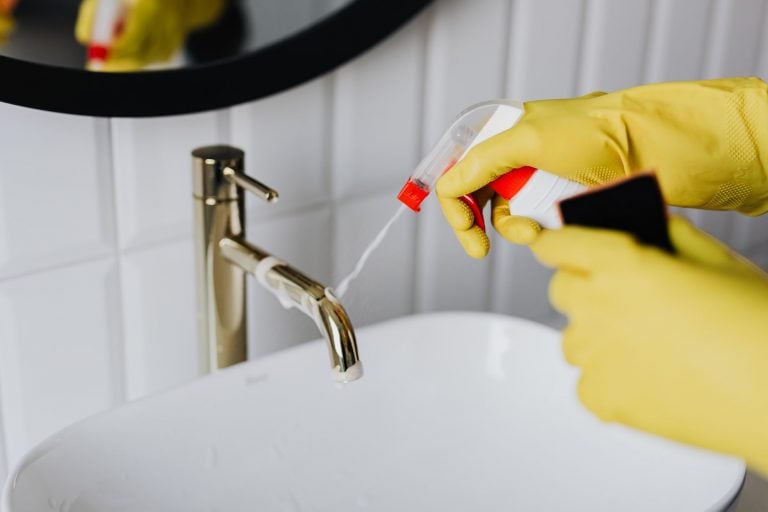
In bathrooms, porcelain fixtures often date back over eighty years and require gentle care to prevent etching from strong acids found in standard bathroom cleaning products. The goal is to remove grime while preserving the original patina of brass hardware that adds significant value to your property listing or rental appeal.
Protecting Original Finishes During the Deep Clean
The most valuable aspect of a pre-war home in New York lies within its preservation. Cleaning crews must be trained on how to handle original hardwood floors without scratching them using steel wool pads that are common in general service contracts.
Original wallpaper often features intricate patterns from the 1920s or 30s which can tear if pulled aggressively during a clean, requiring careful lifting and repositioning techniques by experienced staff. This level of detail requires hiring professionals who specialize specifically in historic properties rather than general residential cleaning services.
Fireplaces are another critical area where soot buildup occurs on the mantle and hearth stone which needs to be vacuumed with a soft brush attachment before wiping down gently. Using standard brooms can scratch polished marble or slate inserts found inside many New York fireplaces, reducing their aesthetic value significantly.
A Deep Cleaning Checklist for Historic Properties
When evaluating potential cleaning providers in Manhattan and Brooklyn, use this checklist to ensure they understand the specific needs of your property:
• Elevator Access Protocol: Verify that staff are authorized by building management or have proper keys.
• Floor Protection: Confirm usage of soft-bristle brooms and microfiber pads for wood floors only.
• Soot Removal: Ask about HEPA vacuuming techniques specifically designed for fireplace maintenance in New York homes.
• Brass Care: Ensure they use specific brass polish that does not strip the protective patina on original fixtures.
• Pest Prevention: Confirm methods used to clear pigeon droppings or insect nests without damaging historic brickwork in Brooklyn walk-ups.
This checklist serves as a practical tool for homeowners who want to ensure their investment is protected during every service visit. It helps filter out generalist cleaning companies that might lack the specific training required for pre-war construction standards found throughout New York City neighborhoods.
Scheduling and Logistics in a Dense City Environment
Logistics play a massive role when scheduling deep cleans within dense urban environments like Manhattan. Superintendents often require 48 hours notice to coordinate entry times that do not disturb neighbors or violate building noise ordinances.
In Brooklyn, walk-up apartments may have different access rules where staff must carry their own equipment up multiple flights of stairs without damaging the stairwell carpeting which is common in older buildings. Your cleaning provider should be prepared with compact ladders and portable vacuums that can navigate narrow hallways typical of pre-war layouts.
Communication channels are also vital because building superintendents may change schedules or restrict access during emergencies like power outages or elevator repairs which happen frequently in older New York infrastructure. A reliable service will have a direct line to their operations manager who can adjust appointments instantly if unexpected issues arise within the building.
Conclusion
Maintaining a pre-war apartment or brownstone requires more than just scrubbing and mopping; it demands respect for history combined with modern cleaning technology. By choosing a service that understands these nuances, you protect your property value while ensuring every surface is restored to its original beauty.
If you are looking for reliable deep cleaning services specifically tailored to the unique challenges of New York historic homes, we invite you to contact our team today. Our specialists have years of experience working with Manhattan brownstones and Brooklyn walk-ups, ensuring your home receives the precise care it deserves without compromising its architectural integrity.