
















The Essential Post Construction Cleaning Checklist for New York Homes: HEPA Dust Removal Guide
 08.11.2026
Completing a major home improvement or commercial build-out is an exciting milestone, but it often leaves behind layers of invisible hazards that standard maid services miss. In New York City, where real estate density and building age vary from pre-war brownstones to modern high-rises, the quality of post-construction cleaning determines whether you move in safely or face respiratory issues later.
Most homeowners assume a simple sweep is enough after renovation work stops. This assumption is dangerous because construction dust contains fine silica particles that settle deep into baseboards and HVAC systems. To protect your health investment, you need to understand the specific protocols for post construction cleaning nyc hepa dust removal checklist.
When hiring professionals in New York, do not accept a generic clean. You require an inspection of air quality, surface residue testing, and strict adherence to HEPA filtration standards designed for urban environments with high traffic levels. This guide outlines exactly what you should expect from your cleaning crew before they leave the site.
Understanding Post-Construction Dust Hazards in New York Buildings
Dust generated during renovation is not like household dust found on a regular Tuesday afternoon. It consists of drywall sawdust, cement particles from flooring installation, and paint overspray that contains volatile organic compounds (VOCs). In older NYC buildings built before 1978, there may also be lead-based paint chips mixed in with the debris.
These microscopic particles are easily airborne. If a standard vacuum cleaner is used without HEPA filtration on your New York apartment or office space, it can actually blow fine dust back into the air through its exhaust port while sucking up larger chunks of plaster. This cycle contaminates clean rooms and spreads mold spores that may have settled in damp corners.
For a residential unit in Manhattan or Brooklyn, this contamination is particularly risky due to smaller square footage where air circulates faster between living spaces. You must ensure the cleaning crew uses industrial-grade vacuums equipped with sealed HEPA filters rated H13 or better. These filters trap 99.97% of particles as small as 0.3 microns, which is critical for removing construction grit from your new carpeting.
Why Standard Vacuums Fail on Construction Debris
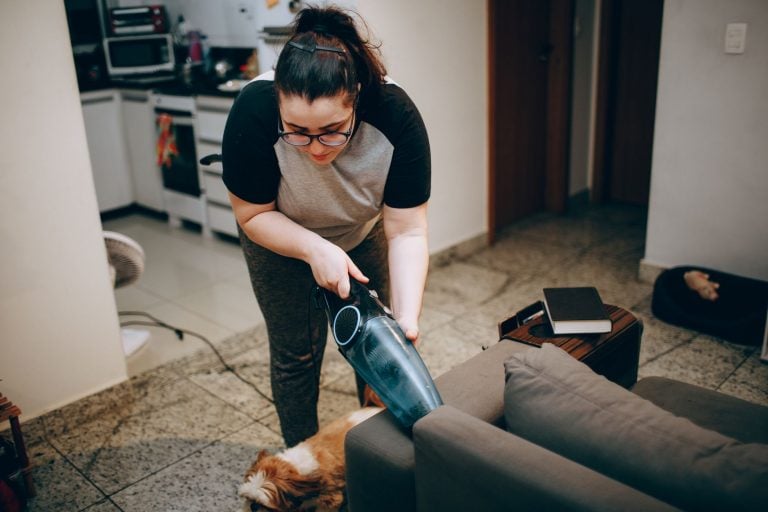
A standard Dyson or Shark vacuum found in a typical New York home store lacks the sealed system required to handle renovation dust. If you hire a cleaning service that uses these units for post-construction cleanup, they are effectively spreading contamination throughout your property.
Construction debris often includes sharp fragments of drywall and metal shavings from tools dropped during demolition or framing work. These materials can damage the internal components of consumer vacuums if not caught by a heavy-duty bag system. Professionals in New York use industrial wet/dry vacs that separate liquids like spilled paint thinner or glue residues from dust.
Furthermore, standard bags often burst when filled with construction debris, releasing all collected particles back into the air at once. Professional HEPA units utilize disposable filters designed to hold high volumes of particulate matter until they are changed out as a single unit after your project is complete. This ensures that no dust remains in the machine casing for you or future tenants.
The New York Checklist for Renovation Cleanup
Before signing off on any cleaning contract, review this practical checklist to ensure compliance with industry standards and safety regulations specific to NYC housing codes.
• HVAC System Inspection: Verify that all air vents are sealed during the process. The crew should remove filters before work begins and install new ones upon completion without leaving debris inside ductwork access points.
• Flooring Residue Removal: Check for cement residue on hardwood floors or adhesive glue left behind after tile installation in kitchens and bathrooms of your New York home.
• Mold Prevention Measures: Ensure wet areas like showers are dried thoroughly to prevent moisture from settling into grout lines, which is common when construction water leaks occur during plumbing work.
• Elevator Shaft Access Control: If working in a high-rise building, confirm that dust containment barriers were used near elevator entrances to prevent debris tracking up and down the shafts between floors.
• Furniture Polishing Standards: All surfaces should be wiped with microfiber cloths dampened with appropriate cleaning solutions. Dry wiping spreads fine particles across walls and fixtures, requiring multiple passes for a true clean finish.
This checklist ensures that the crew understands what constitutes a finished job versus a rushed cleanup before they leave your property in New York City.
Air Quality and Ventilation Standards in NYC High-Rises
Living inside a high-rise building presents unique challenges for air quality after construction. The pressure differences between floors can force dust from lower levels up into upper apartments or vice versa through shared ventilation shafts if not managed correctly.
A professional cleaning team will utilize negative pressure machines to keep contaminants contained within the work zone during active demolition phases, but post-construction requires positive air flow management. This involves running industrial fans and HEPA scrubbers in open windows (if permitted by building code) or HVAC systems to flush out settled dust.
For commercial spaces like offices on Wall Street or retail units in SoHo, the cleaning standard is even higher because of foot traffic volume from employees entering daily. The air exchange rate must be maximized before handing over keys to tenants who may suffer immediate respiratory distress if silica levels are not reduced below permissible exposure limits.
Hazardous Material Removal Protocols for Older Structures
New York City has a significant amount of pre-war housing stock that requires special handling during demolition and renovation. Lead paint is the primary concern in buildings constructed before 1978, where sanding or scraping walls releases toxic fumes.
Any crew performing post-construction cleaning must be trained to recognize signs of lead contamination without disturbing it further. If you notice peeling paint near a construction zone that was not properly sealed during the work phase, request immediate remediation rather than standard dust removal services.
Silica sand used in concrete and mortar is another hazard common on NYC job sites where masonry work occurred. Inhaling crystalline silica can cause silicosis over time. Cleaning protocols must include wetting down surfaces before sweeping to suppress airborne dust clouds that settle into carpets or clothing of workers entering the building.
Final Inspection Procedures Before Handover
The final step in your renovation journey is a walkthrough inspection with the cleaning contractor. Do not accept verbal assurances; ask for written confirmation that HEPA filtration was used throughout the entire process and all surfaces were tested visually under bright light.
You should inspect corners, ceiling lines where paint drips often settle after drywall finishing work, and behind appliances in kitchens or laundry rooms of your New York home. These are common areas missed by less experienced crews who focus only on visible floors.
Choosing the Right Partner for Your Project
Selecting a cleaning provider requires checking their certifications regarding hazardous material handling if applicable to your specific job type in NYC neighborhoods like Queens or Brooklyn where older stock is prevalent. Ask about their equipment inventory and request photos of industrial vacuums they own rather than renting consumer-grade units.
Ready for Professional Cleanup?
If you are preparing a home or office space in New York City, do not compromise on the quality of post-construction cleaning nyc hepa dust removal. A professional team ensures that your renovation investment is preserved by removing invisible hazards before you move back into your new living environment.
Contact our local experts today to schedule an inspection and quote for HEPA filtration services tailored specifically to New York City building codes and environmental standards.