















The Landlord’s Guide to Preparing Your New York Rental Apartment for Professional Maid Service: A Turnover Success Plan
 13.10.2026
Landlords operating within the competitive real estate market of New York must prioritize property presentation during tenant turnover. A vacant apartment generates zero revenue while still carrying mortgage costs, utilities, and maintenance responsibilities. Hiring a professional maid service is an investment that protects your financial interests by ensuring your unit meets high standards for immediate re-rental. This guide outlines how to prepare your rental apartment in New York City specifically for professional cleaning services.
Preparing the space correctly ensures that cleaners can work efficiently, reducing labor costs and minimizing vacancy time between tenants. Understanding what is required by local housing codes and lease agreements helps you avoid disputes over security deposits later on.
The Economics of Turnover Cleaning in New York Real Estate
Time is the most valuable asset for any landlord in this city. When a tenant moves out, every hour your unit remains unleased costs money. Professional cleaning services can reduce turnover time significantly compared to DIY methods because they have specialized equipment and trained staff who understand how quickly units must be ready.
In New York City, vacancy rates fluctuate based on seasonality but competition is fierce between landlords offering similar amenities. A spotless apartment stands out in listing photos online or during open houses held by brokers. This visual appeal directly correlates to faster lease signing and potentially higher rental yields for your property management portfolio.
Furthermore, professional cleaning companies often carry liability insurance that protects you if a cleaner damages the building structure while working inside an empty unit. Using insured professionals mitigates risk regarding slip hazards or equipment accidents in hallways common areas shared by other residents within New York City buildings.
Legal Compliance and Deposit Protection Under NY Law
New York State law requires landlords to return security deposits within thirty days after a tenant vacates. This timeframe is strict, but the quality of cleaning often determines whether deductions are necessary or contested by tenants seeking their full deposit back.
A clean unit minimizes disputes regarding damage versus wear and tear. Tenants may claim that stains on carpets or grime in bathrooms were pre-existing conditions rather than new issues caused during tenancy. By hiring a professional team to document the condition of your rental apartment after cleaning, you create an evidentiary record.
Professional cleaners provide detailed checklists signed off by their supervisors confirming areas like baseboards and window sills are scrubbed free of dust. This documentation proves that any remaining dirt was left behind or caused by normal wear rather than negligence on the part of your cleaning partner during turnover maintenance services provided to landlords.
Preparing Your Unit Before Professionals Arrive
Your preparation work before cleaners arrive is critical for efficiency and cost control. You should remove all personal items, trash bags from bins, and leftover food containers in kitchens immediately after the tenant hands over keys or vacates premises completely.
• Remove small appliances like blenders if they are not permanently attached to countertops.
Note: Keep major fixtures intact unless instructed otherwise by your cleaning partner's safety protocol for New York City buildings.
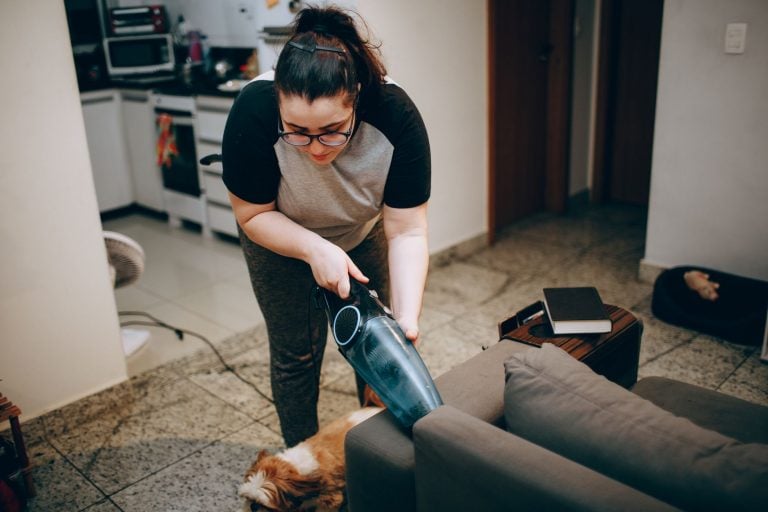
Vacuuming floors yourself before the deep clean saves labor costs. If you hire a service that charges per square foot of floor space, removing loose debris beforehand ensures they focus on scrubbing rather than vacuuming dirt left behind in corners or under furniture legs which should be moved by tenants during move-out.
Clear out closets and cabinets to allow access for deep cleaning inside. If you leave items blocking shelves, cleaners cannot reach dust accumulation that might lead to mold growth complaints later if the next tenant has allergies common among New York residents exposed to city pollution indoors without ventilation systems running properly after windows are sealed shut.
Comprehensive Checklist for Professional Turnover Cleaners in New York
A thorough cleaning checklist ensures no area is overlooked during high-stakes turnover periods. Landlords should review these points with their service provider to ensure expectations align before work begins on any unit within the city limits.
• Kitchen Surfaces: Degrease range hoods, scrub oven interiors for baked-on food residue common after long tenancies.
Action Item: Wipe down backsplashes to remove splatter marks from cooking habits typical in New York apartments with small kitchens.
• Bathroom Scrubbing: Remove hard water scale on showerheads and toilet bowls. Clean grout lines between tiles which often harbor black mold spores.
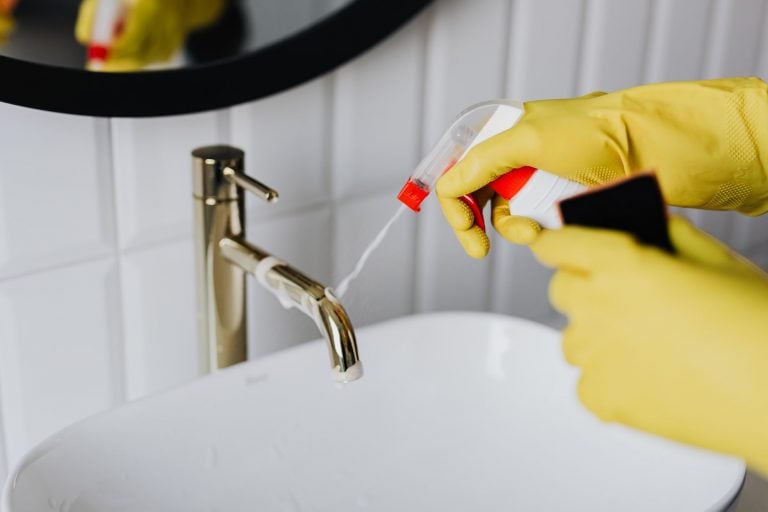
Action Item: Polish chrome fixtures to remove fingerprints left by previous tenants or moving crews.
• Floor Care: Deep clean hardwood floors with appropriate moisture levels for New York humidity. Steam mop carpets if they are not treated as sensitive materials requiring special extraction equipment.
Action Item: Check under doorways where dust accumulates from street traffic entering through lobbies.
• Ventilation and Windows: Clean inside window tracks to remove pollen or soot. Ensure exhaust fans in kitchens are free of grease buildup which can cause fire safety hazards.
Action Item: Check air vents for dust accumulation that reduces HVAC efficiency.
Navigating Building Access and Scheduling Logistics
New York City apartment buildings often have strict rules regarding after-hours access. You must coordinate with building superintendents or management offices to schedule cleaning crews during approved hours when residents are not present but the unit is accessible.
• Verify elevator availability for large equipment like industrial vacuums.
Tips: Some buildings require advance notice via a specific portal before maintenance workers can enter common areas with heavy machinery or chemical supplies requiring proper storage protocols within New York City fire codes.
Noise ordinances are also enforced strictly in residential zones. Ensure your cleaning partner schedules loud tasks like carpet shampooing during daylight hours only to avoid complaints from neighbors which could lead to fines against the landlord for failing to manage property maintenance properly according to local laws and building bylaws.
Cost Efficiency: DIY vs Hiring Pros for Move-Outs
The cost of hiring a professional maid service is often outweighed by the speed at which you can re-rent your unit. A dirty apartment sits empty longer than one that looks move-in ready immediately upon listing.
• Calculate vacancy costs against cleaning fees.
Example: If an average rental in New York City generates $3,000 monthly rent and stays vacant for two weeks while you clean DIY versus hiring pros who finish it in one day. The difference is substantial when factoring lost income.
Risk mitigation also plays a role here. Professional teams handle hazardous waste like old paint cans or batteries that tenants might leave behind improperly during move-out procedures which could violate environmental regulations enforced by New York City housing authorities if left unattended in vacant units for too long before disposal is arranged properly.
Conclusion and Next Steps
Preparing your rental apartment correctly sets the foundation for a successful turnover process. By using professional cleaning services, you ensure that every unit meets high standards required by potential tenants looking for move-in ready spaces in this competitive market environment within New York City.
Frequently Asked Questions
Q: How do I know if my current tenant left the apartment clean?
A: Conduct a walk-through inspection with your cleaning partner upon arrival to identify any damages or excessive dirt that was not cleaned by previous tenants before they moved out.
Q: Can I use my own cleaners instead of hiring professionals?
A: While possible, professional services offer insurance coverage and specialized equipment. DIY cleaning may void your warranty on certain appliances or fail to meet health code requirements for rental properties in New York.
If you are ready to schedule a turnover clean for your next tenant move-out date, our team is available to discuss pricing packages tailored specifically for landlords managing multiple units across the city. Contact us today to secure an appointment and ensure your property remains market-ready without delay.