






















Plastic-Free Cleaning Products: What Actually Works in a NYC Apartment
 17.07.2026

Truly "plastic-free" cleaning products are rare, most so-called options still ship with plastic caps, seals, or shrink wrap. What you can realistically do in a NYC apartment is cut most of the plastic: buy dissolvable tablets or concentrates you mix into one refillable bottle, switch to bar or powder cleaners in cardboard or metal, and swap paper wipes for washable cloths. Here's how to set it up without a hall closet.
What you'll need
- One or two sturdy refillable spray bottles (glass with a silicone sleeve survives tile floors; aluminum lasts longest)
- Cleaning concentrate tablets or drops that dissolve in tap water (check the label for the intended surfaces)
- A bar or powder scouring cleaner in cardboard or a metal tin
- Bar dish soap and a compostable brush or loofah
- A stack of washable cotton or microfiber cloths (microfiber sheds plastic fibers in the wash, cotton and bamboo don't)
- A refillable baking soda box and distilled white vinegar for rinsing and deodorizing
- A small caddy or under-sink bin, storage is the real constraint in a NYC unit
Step by step
- Empty and rinse one spray bottle you already own. Reusing a bottle you have beats buying a new "plastic-free" one.
- Fill it with lukewarm tap water to the line, drop in one cleaning tablet, and let it dissolve fully before capping. Cold water dissolves tablets slowly.
- Label the bottle by surface, glass, all-purpose, bathroom, since concentrates are formulated differently. Painter's tape and a marker work.
- For the tub, sink, and stovetop, sprinkle powder or rub a bar cleaner onto a damp cloth and scrub, then rinse. Skip this on anything polished (see below).
- Keep vinegar in its own labeled bottle for glass and mineral deposits around faucets. Never mix it with any other cleaner.
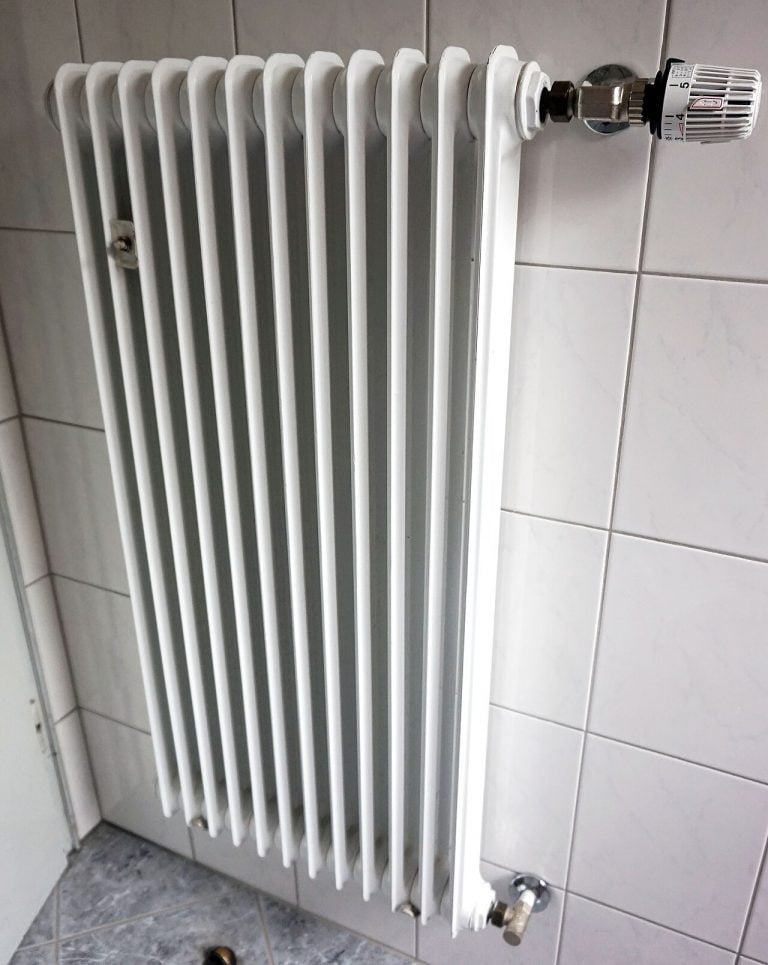
- Wash used cloths on a normal cycle and air-dry on the radiator or shower rod, radiator heat dries them fast in a small apartment.
- Store refill tablets in their cardboard box up high, away from the radiator and any moisture, so they don't dissolve in the humidity.
What NOT to do
- Don't use powder scouring cleaners or baking soda on natural stone, glossy enamel, or acrylic tubs. The grit dulls and micro-scratches the surface. Older NYC bathrooms often have refinished tubs, abrasives strip the coating.
- Don't put vinegar on marble, granite, or stone thresholds. The acid etches them permanently. Many prewar building lobbies and bathroom sills are stone.
- Don't pour concentrated tablets or drops directly onto a surface. They're made to be diluted; undiluted, they can streak, stain, or damage finishes.
- Don't leave any acidic or abrasive cleaner sitting on brushed metal fixtures or aluminum window frames. It pits and discolors them.
- Don't assume a bar or powder cleaner is a disinfectant. Cleaning removes dirt and grime; it is not the same as disinfecting, and no cleaner is harmless just because it comes in cardboard.
When to call a pro
A plastic-light routine handles weekly upkeep, counters, sinks, glass, floors, but it hits limits fast in an older apartment. Baked-on radiator grime, hard-water buildup on prewar tile grout, a move-out deep clean your landlord will inspect, or reaching a window that doesn't open safely are jobs where DIY concentrates and cloths just don't have the muscle or the reach. When you want the whole unit handled properly, book apartment cleaning with CleanWhale and skip the weekend.
FAQ
Are plastic-free cleaning products actually plastic-free?
Rarely, completely. Most reduce plastic rather than eliminate it, a tablet in a paper wrapper might still have a foil seal, and a "plastic-free" bottle usually has a plastic pump. Read the whole package and aim to cut plastic, not chase a perfect label.
Do refill tablets clean as well as spray bottles from the store?
For everyday surfaces, yes, once dissolved they're the same type of formula, just without the water shipped in plastic. The difference you'll notice is you mix them yourself and reuse one bottle for months.
Can I just use vinegar and baking soda for everything?
No. They're useful for deodorizing, cutting mineral deposits, and light scrubbing, but they damage stone, etch polished finishes, and cancel each other out if you mix them in a bottle. Treat them as two separate, limited-use tools, not an all-purpose disinfectant.
Where do I store all this in a tiny apartment?
Concentrates are the win here, one box of tablets replaces a shelf of bottles. Keep the box high and dry away from the radiator, and hang cloths to dry rather than piling them damp under the sink.
Related guides