






















Do "Green" Cleaning Products Actually Work in a NYC Apartment?
 17.07.2026

Mostly, yes — for everyday dirt. Products built on plant-based surfactants cut grease, soap scum, and dust about as well as conventional cleaners on most apartment surfaces. Where they differ is disinfecting: "cleaning" removes dirt, while killing microbes requires an EPA-registered disinfectant used exactly as its label says. "Green" is a marketing word, so read the ingredient panel, not the front.
What you'll need
- An all-purpose cleaner with plant-based surfactants (check the back label for the actual ingredients)
- A separate EPA-registered disinfectant for the toilet, trash area, and after raw meat — read and follow its label
- Two or three microfiber cloths (reusable beats a roll of paper towels in a small apartment)
- A fragrance-free option if your window doesn't open or you're sensitive to scent
- White vinegar and baking soda for specific jobs — not as an all-purpose disinfectant
- Rubber gloves and, ideally, a cracked window or the bathroom fan running
Step by step
- Read the back label first. "Green" and "natural" on the front mean nothing legally; the ingredient list tells you what you're actually buying.
- Match the product to the job. Use the plant-based all-purpose cleaner for counters, cabinets, and floors. Use the EPA-registered disinfectant only where you need it — the toilet, the trash zone, cutting boards after raw meat.
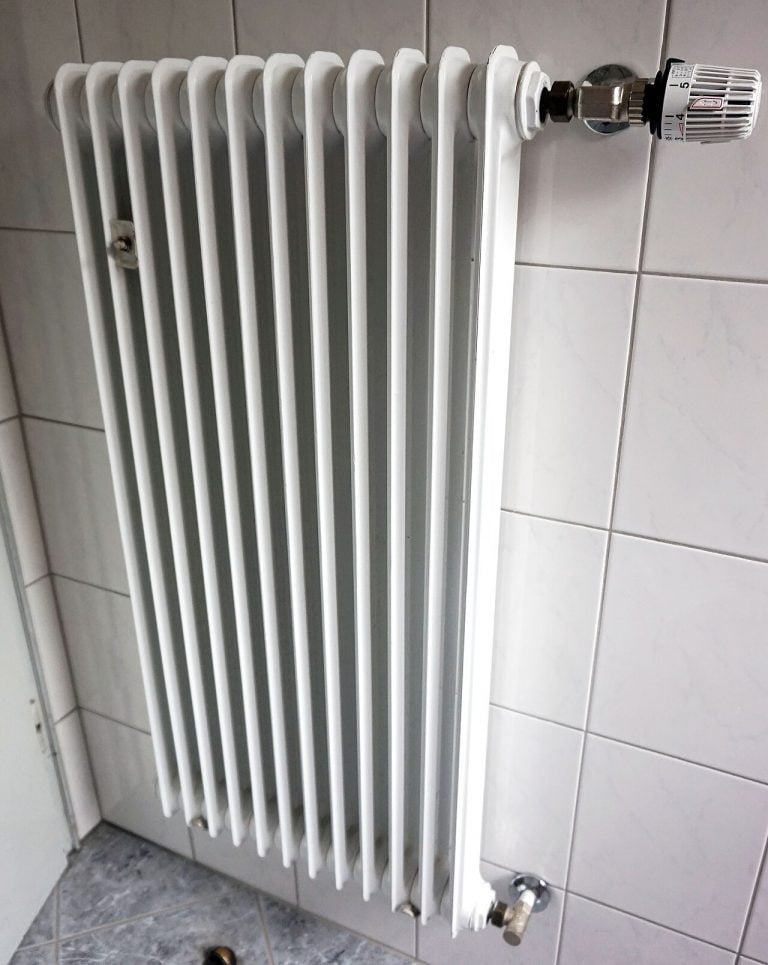
- Spray onto the cloth, not the surface, near electronics or a radiator so nothing drips into vents or outlets.
- Wipe with a damp microfiber cloth, then a dry one. Plant-based cleaners can leave streaks on glass if you skip the dry pass.
- For a disinfectant, keep the surface visibly wet for the full dwell time printed on that product's label — most need several minutes, not a quick swipe.
- Ventilate. Open the window or run the bathroom fan, especially in a studio where the smell has nowhere to go.
- Rinse and air-dry your microfiber cloths instead of trashing paper towels — storage and garbage space are tight in most NYC apartments.
What NOT to do
Never mix vinegar (or any acid) with bleach or a bleach-based disinfectant — that combination releases a toxic gas, and it's far more dangerous in a small, poorly ventilated apartment. Don't use vinegar on natural stone counters, marble windowsills, or unsealed grout; the acid etches and dulls them. Skip acidic cleaners on a steam radiator's painted finish and never spray liquid into its valve. Avoid oil-based "natural" wood cleaners on laminate floors — they leave a film that turns slippery and streaky. And don't assume a plant-based cleaner disinfects; if the label doesn't carry an EPA registration number and a kill claim, treat it as a cleaner only.
When to call a pro
DIY handles weekly upkeep well. But when you're staring down a move-out that has to satisfy a picky landlord, built-up soap scum on old tile, a kitchen that hasn't had a deep clean in a year, or you simply don't have the storage for a full cleaning kit in a 400-square-foot studio, it makes sense to bring in help. A professional team brings the products and the equipment, works around your radiators and non-opening windows, and gets it done in one visit. If you'd rather hand it off, book apartment cleaning with CleanWhale.
FAQ
Do green cleaning products disinfect?
Cleaning and disinfecting are different jobs. A plant-based cleaner removes dirt and grease well, but it only reduces microbes if it's an EPA-registered disinfectant used per its label. Check the back for an EPA registration number; without one, treat the product as a cleaner, not a disinfectant.
Does vinegar clean as well as store-bought cleaner?
For glass, hard-water spots, and some grease, diluted vinegar works fine and is cheap. It is not a disinfectant, and its acidity damages natural stone, marble sills, and unsealed grout. Never combine it with bleach. For general apartment surfaces, a plant-based all-purpose cleaner is more versatile.
Are fragrance-free cleaners worth it in a small apartment?
If your window doesn't open or you're sensitive to scent, yes. In a studio, fragrance lingers with nowhere to vent. Fragrance-free formulas clean the same; you're just removing the added scent, which many renters find worthwhile in tight quarters.
What does the word "green" actually guarantee?
On its own, nothing enforceable. The clearest signals are specific, verifiable claims — plant-based surfactants, fragrance-free, reusable packaging — and an EPA registration number if the product makes a disinfecting claim. Read the ingredient panel rather than trusting the front-of-bottle label.
Related guides