How Certificate of Insurance COI Works for Co-op and Condo Cleaning NYC
 05.11.2026
Managing residential buildings in New York City requires strict adherence to safety protocols, particularly when hiring third-party vendors for janitorial services. Building superintendents and board members frequently request a Certificate of Insurance (COI) before signing any maintenance contracts with cleaning companies operating within high-rise properties or cooperative apartments across the city.
Many property managers in New York encounter confusion regarding what constitutes an acceptable COI document versus one that is rejected by risk management departments. This article explains exactly how a Certificate of Insurance works for building management, ensuring compliance with local liability standards and protecting assets against potential claims arising from cleaning operations.
Understanding Building Management Requirements in New York
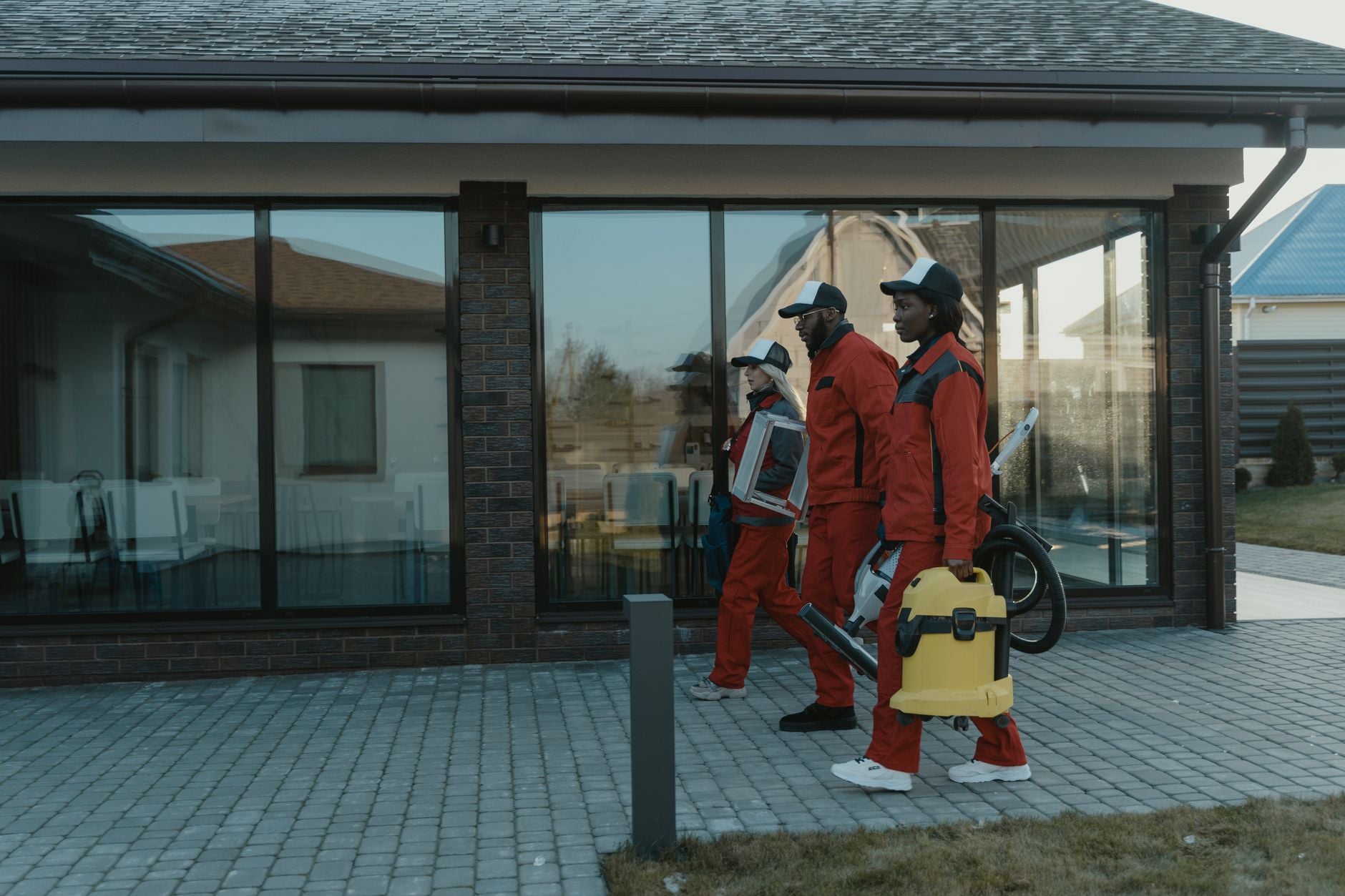
New York City co-op boards and condo associations operate under specific legal frameworks that mandate rigorous vendor screening. When a janitorial crew enters the lobby, elevator shafts, or common areas of an apartment building, they assume responsibility for maintaining those spaces free from hazards.
Building management requires proof that this liability is covered by insurance policies held by the cleaning company. A standard General Liability policy often falls short because it may not cover specific risks associated with high-density living environments like elevator usage or chemical handling in confined stairwells. The primary goal of requesting a COI is to ensure that if an accident occurs, the building owner is not financially liable for damages caused by the cleaning contractor.
Risk managers look for policies issued within the last 30 days to verify active coverage status. This prevents situations where insurance lapses between contract signing and work commencement. In New York, negligence laws are strict regarding slip-and-fall incidents in common areas like hallways or laundry rooms. If a cleaning employee leaves water on the floor without proper signage, the building could face lawsuits unless their COI provides sufficient umbrella coverage.
Furthermore, insurance carriers often require specific endorsements for commercial property damage and professional liability when dealing with specialized equipment such as industrial steamers or carpet extractors used in residential buildings. Building superintendents must verify that these tools are covered under the policy limits to avoid disputes over water extraction costs if a pipe bursts during cleaning.
What a Valid Certificate of Insurance Looks Like for Cleaning Services
A valid COI document is not merely a piece of paper but a legal declaration issued by an insurance carrier. It details the policy number, effective dates, and specific coverage limits required to operate legally in New York state jurisdiction. For cleaning services entering residential buildings, General Liability limits typically must exceed $1 million per occurrence.
Building management often rejects COIs that show expired expiration dates or policies issued by carriers not licensed for commercial operations within the tri-state area. The document should explicitly list "New York" as a covered location to ensure compliance with state regulations regarding worker safety and liability protection.
Cleaning contracts in New York frequently require additional coverage types beyond basic general liability, such as Commercial Auto if vehicles are used on-site for deliveries or waste removal. Workers' Compensation insurance is also mandatory under NY Labor Law 276 to protect cleaning staff who might suffer injuries while working within the building premises.
When reviewing a COI, superintendents must check that their name appears as an additional insured party on the policy form. This ensures that if a claim arises from damage caused by cleaners under your supervision, you are protected directly rather than relying solely on subrogation rights which can be complex to enforce in court.
Liability Coverage Specifics for High-Rise Buildings
High-rise buildings present unique risks compared to low-density residential properties. The vertical nature of these structures means that accidents involving elevators or stairwells carry higher potential costs if injuries occur during cleaning operations. Insurance policies must specifically cover elevator maintenance activities performed by janitorial staff.
Cleaning companies using industrial-grade equipment like floor buffers often need specific endorsements for property damage caused by their machinery. If a buffer damages marble flooring in the lobby, standard liability limits might be insufficient to pay out of pocket without an excess clause included in the COI document provided to management.
Furthermore, New York City requires adherence to fire safety codes regarding cleaning chemicals used on-site. Insurance carriers often require proof that chemical storage areas meet specific environmental standards before issuing coverage for hazardous material handling during deep cleaning projects or carpet shampooing services.
This is particularly relevant when working in older buildings where ventilation systems may not handle strong fumes effectively from commercial-grade cleaners. If a resident suffers health issues due to improper chemical usage, the COI must cover medical expenses and legal defense costs associated with such claims under New York toxic tort laws.
Workers' Compensation Insurance on Site Safety
While General Liability covers third-party injuries like residents slipping over wet floors left by cleaners, Workers' Comp insurance protects the cleaning employees themselves. In New York, employers must carry this coverage to comply with state labor regulations and avoid fines for operating without a valid policy.
If a cleaner falls while mopping stairs or is injured using heavy machinery inside an apartment building, their medical bills are paid through Workers' Comp rather than the property owner's master insurance. This distinction prevents conflicts between co-op boards who want to protect resident funds and cleaning companies needing coverage for staff safety.
Building management often requests proof of workers comp certification before allowing a crew into sensitive areas like server rooms or boiler plant access points. Without this specific endorsement, superintendents may deny entry entirely due to liability risks associated with unverified employment practices inside the building structure.
Practical Checklist for Verifying COI Documents
To ensure compliance and avoid contract delays during vendor onboarding in New York buildings, follow this practical checklist when reviewing incoming insurance documentation from cleaning service providers:
• Verify Policy Number: Confirm the policy number is legible and matches current records held by your risk management department.
• Check Expiration Date: Ensure coverage does not expire before or during scheduled work periods, with at least 30 days of overlap included in contract terms.
• Confirm Additional Insured Status: Your building name must appear explicitly as an additional insured on the policy declaration page.
• Review Limit Amounts: General liability limits should be a minimum of $1 million per occurrence and $2 million aggregate for commercial operations in New York City.
• Validate Carrier License: Ensure the insurance carrier is licensed to operate within NY state jurisdiction under Department of Financial Services regulations.
Failure to complete any item on this checklist can result in immediate rejection by building superintendents who prioritize risk mitigation above all else. Documentation must be submitted electronically or via secure portal rather than loose paper copies which are often lost during high-traffic cleaning schedules.
Common Rejection Reasons and How to Fix Them Quickly
New York property managers frequently reject COI submissions due to minor errors that seem insignificant but indicate larger compliance risks. Common issues include typos in the building address, missing signatures from authorized policyholders, or coverage gaps related to specific equipment usage.
Another frequent rejection reason involves discrepancies between the contract start date and insurance effective dates. If a cleaning company begins work on January 1st but their COI shows an expiration of December 30th, this creates a gap in protection that leaves both parties vulnerable under New York law regarding negligence.
Additionally, some carriers refuse to issue additional insured endorsements for residential properties unless specific clauses are added. This often happens when cleaning companies operate across multiple building types and their standard policies do not cover co-op board requirements without an endorsement fee adjustment.
Contact Us For Compliance Support
If you manage a New York City condo or co-op, ensuring your cleaning vendors have valid COI documentation is critical for maintaining safe premises. We specialize in providing compliant insurance verification services that align with local building codes and risk management standards.
Our team can assist property managers in vetting vendor documents to prevent costly delays during onboarding processes. Reach out today to schedule a consultation regarding your cleaning service contracts or request assistance verifying COI requirements for new vendors entering the building ecosystem.