






















Complete Post Renovation Cleaning Plan For New York Tenants
 12.10.2026
When a tenant moves out of an apartment that has just undergone significant renovations, the cleanup process differs significantly from standard turnover cleaning. In New York City, where real estate values are high and lease terms are strict, leaving behind construction dust or paint splatters can cost landlords thousands in damages before re-renting. This guide outlines a comprehensive post renovation cleaning plan specifically designed for tenants moving out after work is done.
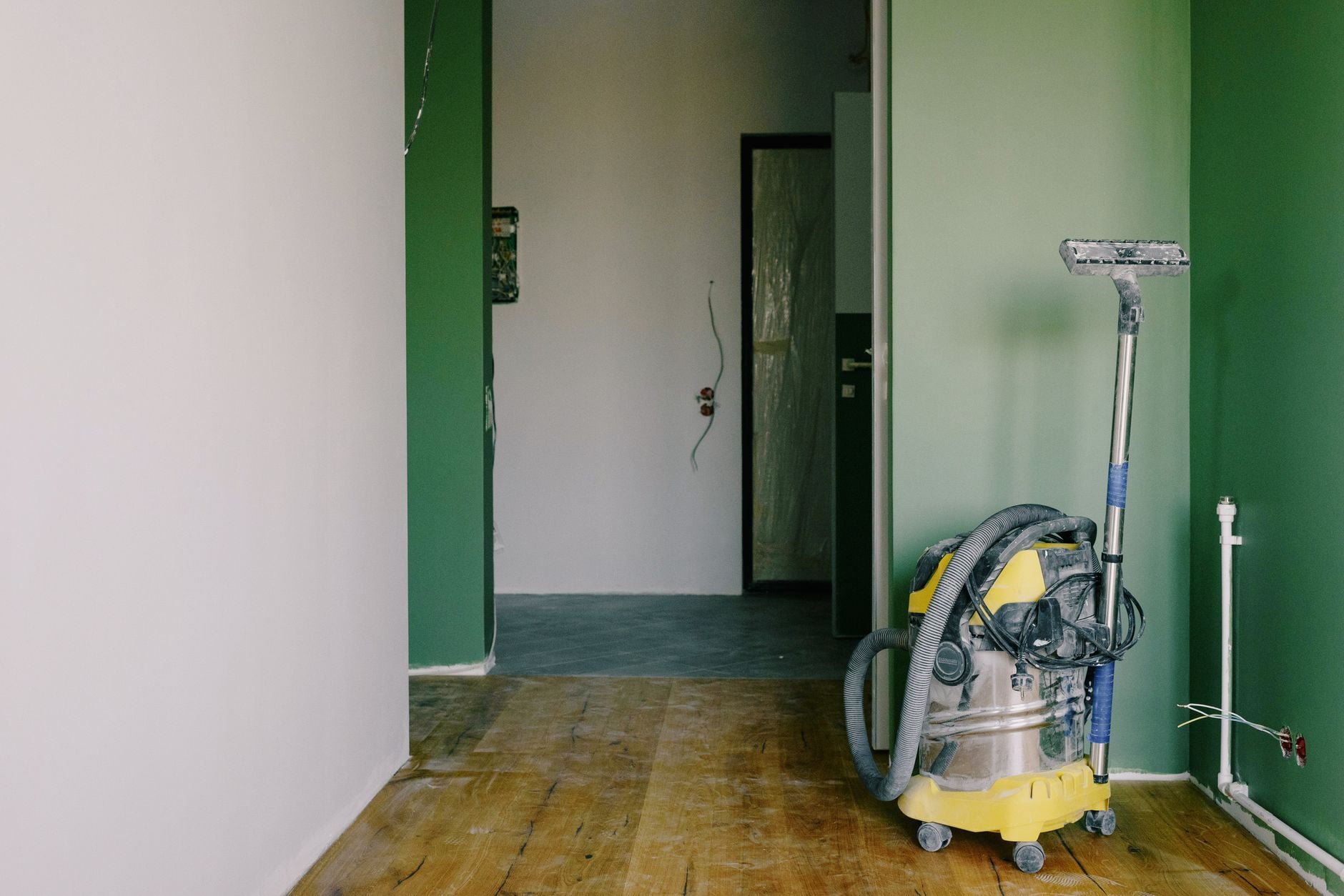
Most standard deep cleans fail to address the specific contaminants left by contractors, such as drywall dust which penetrates HVAC systems or adhesive residue from floor protection tape that requires chemical solvents. A proper post renovation cleaning service in New York must account for these unique challenges while adhering to city housing standards.
The Unique Challenge of Construction Dust and Debris Removal
Construction dust is not just surface dirt; it contains fine particulate matter that settles into cracks, grout lines, and carpet fibers. In New York City buildings, especially older walk-ups or brownstones with hardwood floors, this dust can scratch surfaces if vacuumed incorrectly without pre-cleaning measures.
When tenants move out after a renovation project involving drywall installation, the priority is removing PM10 particulates that standard vacuums cannot capture. You must use HEPA-filtered equipment to ensure air quality meets safety standards before new occupants arrive. Contractors often leave behind sawdust from wood flooring refinishing or sanding operations.
For tenants moving out, the cleaning team needs to inspect every corner of the unit for debris that has fallen into baseboards and under cabinets. In New York apartments with low ceilings and tight quarters, access is limited compared to suburban homes. Using long-handled tools allows cleaners to reach high spots without damaging freshly painted trim or new fixtures installed during the renovation.
Another critical aspect in NYC involves elevator shafts and shared hallways where debris may have tracked back into the unit before being removed by professional crews. Tenants must ensure that all trash bags are sealed properly for removal, as leaving construction waste behind can violate lease terms regarding property maintenance responsibilities.
Kitchen And Bathroom Deep Clean Protocol Following Demolition Work
The kitchen and bathroom areas typically sustain the most wear during renovation projects. If new countertops were installed or plumbing fixtures replaced, adhesive residue is a common issue that requires specific cleaning agents to remove without damaging finishes.
For post renovation cleaning in New York kitchens, you must address grease splatters mixed with dust from sanding work. Standard degreasers might not be strong enough for dried-on grout or caulk lines left by contractors. Tenants should request a professional who uses pH-neutral cleaners to protect new sealants used during the installation phase.
Bathroom tiles often accumulate cement residue if waterproofing membranes were exposed and cleaned improperly before tiling was finished. This requires scrubbing with specific tile-safe solutions that do not etch grout lines or discolor ceramic fixtures. In New York City, many apartments have subway-style tiles which are porous and require immediate attention to prevent staining.
Appliance cleaning is also part of the protocol for tenants moving out after a renovation. If new appliances were installed during construction, fingerprints from installation workers must be removed before delivery confirmation. Tenants should verify that all filters in dishwashers or range hoods are clean and free of dust accumulation.
Living Room And Bedroom Dust Extraction Strategies
In living rooms and bedrooms where new flooring was laid, the primary concern is removing loose particles to prevent scratching. Tenants must ensure that no sanding residue remains on hardwood floors or laminate surfaces before moving furniture back into place.
The cleaning process involves a two-step vacuum method: first using a dry dust mop to lift larger debris from corners and baseboards, followed by wet mopping with microfiber pads to capture finer particles. This prevents the spread of dust when vacuums are used later on sensitive surfaces like new rugs or carpeting.
For tenants moving out after bedroom renovations involving wall painting, splatter marks must be addressed carefully. Using a soft cloth and mild soap solution avoids spreading paint residue to adjacent areas. In New York apartments with crown molding, dust often settles in the crevices where walls meet ceilings, requiring specialized tools for thorough removal.
Window cleaning is essential after renovation work because sanding creates fine particles that settle on glass surfaces. Tenants should request a final wipe-down of all windows to ensure natural light does not reveal construction debris during showings or lease inspections by potential new tenants.
Flooring Specifics For Hardwood And Tile In New York Buildings
Hardwood floors are common in older New York buildings and require specific care after renovation. If refinishing was done, the wax layer must be buffed to a uniform shine before tenant occupancy. Tenants should verify that no water spots remain from wet cleaning during construction cleanup.
Tile flooring often requires grout sealing checks post-renovation. Cleaning crews in New York use steam cleaners for tile areas but ensure moisture does not seep into subfloors which can cause mold growth within the building structure common to older NYC buildings.
Checklist For Property Managers Before Tenant Handover
To simplify the process, property managers should utilize a verification checklist before accepting keys back from tenants following renovation work:
• Kitchen Sinks and Counters: No visible grease or adhesive residue remains on stainless steel surfaces.
• Bathroom Grout Lines: All grout is free of cement dust or paint splatter marks.
• Flooring Condition: Hardwood floors show no scratches from moving boxes during construction cleanup phase.
• Ventilation Systems: HVAC vents are clear of large debris and filter replacements have been documented.
• Closet Organization: All hanging rods or shelves installed during renovation are dust-free inside cabinets.
This checklist ensures that the unit is truly ready for new occupants without additional cleaning costs. Tenants moving out after a major project should review this list with their contractor and cleaning service to avoid disputes over deposit returns based on cleanliness standards in New York City housing laws.
Air Quality And Odor Control After Construction
Construction materials often emit volatile organic compounds (VOCs) that linger after renovation work. Tenants must ensure the unit is aired out thoroughly before moving back into a renovated apartment or handing it over for new tenants.
Cleaning crews in New York use ozone generators sparingly to neutralize odors without damaging electronics installed during construction. Proper ventilation windows and doorways should be opened briefly after cleaning to allow fresh air circulation, though this is limited by weather conditions typical of the city environment.
Common Questions And Edge Cases For Post Renovation Cleaning
Tenants often ask if they need a separate service for carpet stain removal versus general dusting. If new carpets were installed during renovation, spot cleaning might be unnecessary unless spills occurred immediately after installation before the tenant moved in.
Another edge case involves paint overspray on light switches or door handles. These high-touch points require extra attention to ensure they function smoothly without sticky residue that can damage mechanisms over time for future residents moving into the unit renovated by contractors who worked closely with tenants during move-out periods.
Contact Our Professional Cleaning Service Today
Managing a post renovation cleaning project in New York requires expertise and local knowledge to navigate building access rules, elevator schedules, and specific material requirements. Do not risk deposit deductions or lease violations due to incomplete cleanup efforts after tenants move out.
We offer tailored room-by-room plans for property managers handling multiple units across the city. Our team understands the nuances of cleaning New York apartments where speed is essential but thoroughness cannot be compromised. Reach out now to schedule your inspection and secure a quote before booking another service provider who may not understand construction debris protocols.