






















How to Clean a NYC Walk-Up Apartment, Room by Room
 30.06.2026

To clean a NYC walk-up apartment, work top to bottom and back to front: dust high surfaces and radiators first, wipe counters and fixtures, clean the bathroom and kitchen, then vacuum and mop your way toward the door. In a small space with limited storage, a compact kit and a fixed order beat a big-cart deep clean.
What you'll need
- A microfiber cloth set (keep separate colors for bathroom and kitchen)
- An all-purpose cleaner and a separate bathroom cleaner
- Dish soap and white vinegar for glass and fixtures
- A soft-bristle brush and an old toothbrush for grout and radiator fins
- A microfiber flat mop (easier to store than a bucket-and-string mop)
- A slim vacuum or a good broom and dustpan for narrow floors
- A vacuum crevice tool or a long, thin duster for radiator gaps
- Rubber gloves and a plastic scraper
Step by step
- Open a window if you can. Many walk-ups have a painted-shut or non-opening window in at least one room. If yours won't open, run a fan toward the bathroom or kitchen vent while you use any cleaner, and take breaks.
- Declutter surfaces first. In a small apartment, cleaning is mostly clearing. Put loose items in one bin so counters and floors are actually reachable.
- Dust high to low. Start with shelf tops, window frames, and light fixtures, then work down. Dust falls, so cleaning the floor first wastes the effort.
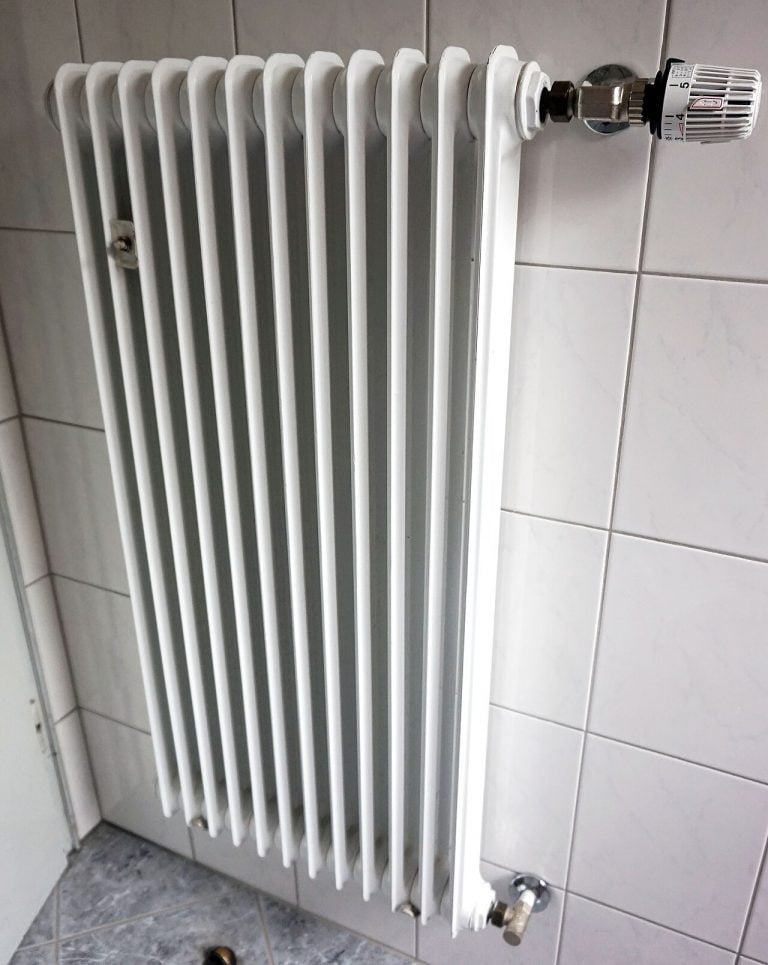
- Clean the radiator. With steam heat off and cool, vacuum the fins with a crevice tool, then run a thin duster or a cloth-wrapped ruler between the columns. Wipe the outside with a damp cloth. Do this before you dust anything below it.
- Wipe kitchen counters and the stove. Spray all-purpose cleaner, let it sit a minute, then wipe. For cooked-on spots, lay a damp cloth over them while you do other tasks, then lift with a plastic scraper.
- Do the bathroom. Spray the tub, tile, and sink, and let the cleaner sit while you scrub grout with the toothbrush. For a clogged shower head, unscrew it if you can and soak it in a bag of half-water, half-white-vinegar, then rinse and reattach; if it doesn't unscrew, tie the bag around it. In NYC's soft water, cloudy glass and dull tile are usually soap scum plus fine sediment from old building pipes, not hard-water scale, so a dish-soap-and-vinegar mix on a cloth handles most of it.
- Clean glass and mirrors. A little dish soap in water, wiped and buffed dry with microfiber, avoids streaks in a tight bathroom.
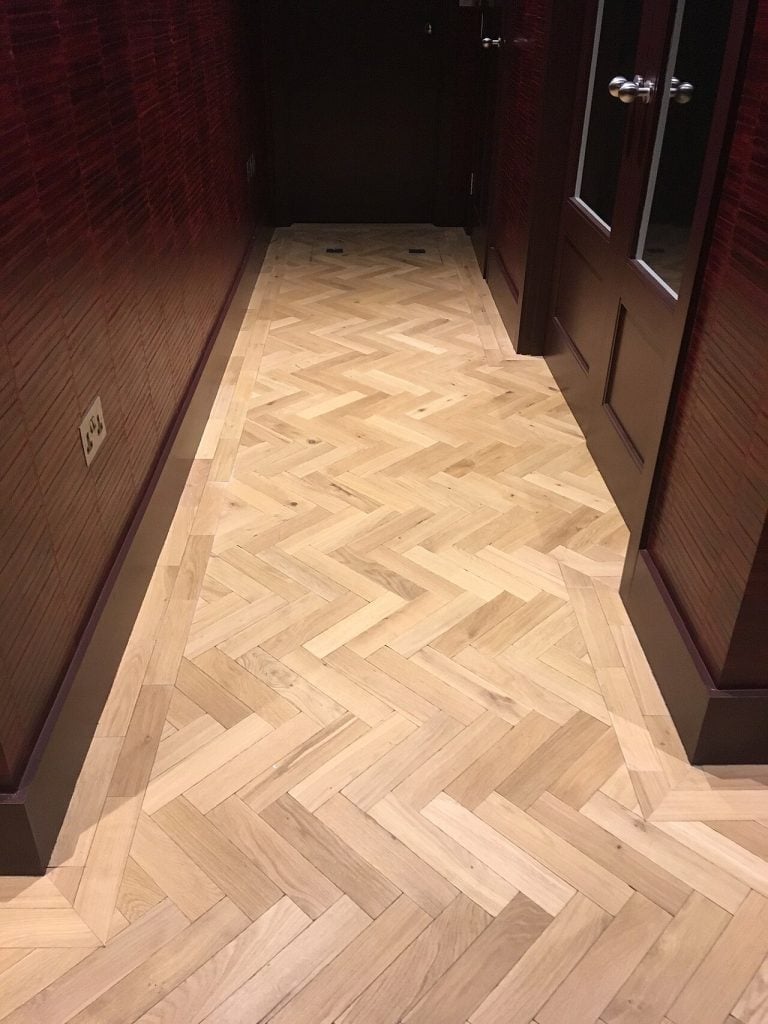
- Vacuum or sweep, then mop. Move from the far corner toward the door so you don't walk back over clean floors. Use a barely-damp flat mop; over-wetting old wood floors warps the boards.
What NOT to do
Don't use abrasive powders or a rough pad on enamel tubs, stainless fixtures, or acrylic surfaces; they scratch permanently. Don't pour water or acidic cleaners onto a hot radiator or its valve, and never paint over a radiator to hide dust. On old parquet or softwood floors, skip the sopping mop and steam mops, which drive moisture into seams and lift finish. Don't mix bleach-based products with vinegar or ammonia glass cleaners, which creates dangerous fumes, especially in a bathroom with no working window. And don't leave any cleaner sitting on natural stone or unsealed grout longer than the label allows.
When to call a pro
DIY handles weekly upkeep and most surface grime, but there's a point where a walk-up needs more than a cloth and 45 minutes. A years-deep buildup on old floors, a move-out clean a landlord will inspect, radiators packed with dust behind a fixed grate, or simply a fifth-floor unit with no time and nowhere to store a full kit are all fair reasons to bring in help. If you'd rather hand it off, book an apartment cleaning with CleanWhale and keep your Saturday.
FAQ
How often should I clean a small walk-up?
A quick 30-minute wipe-and-vacuum once a week keeps a studio or one-bedroom manageable, with a deeper bathroom and kitchen clean every two to four weeks. Small spaces show mess fast but also clean fast, so short and frequent beats rare and exhausting.
Why does my shower glass look cloudy if NYC water is soft?
NYC tap water is among the softest in the US, so the usual culprit isn't hard-water scale. Soft water actually leaves more soap scum, and older building pipes can shed fine sediment. A dish-soap-and-vinegar mix on a microfiber cloth, buffed dry, clears most of it.
How do I clean a radiator I can't move?
Wait until the steam heat is off and the unit is cool. Vacuum the fins with a crevice tool, slide a thin duster or cloth-wrapped ruler between the columns, then wipe the outside with a damp cloth. Doing this before you dust the rest of the room keeps grime from resettling.
Can I mop old hardwood floors with lots of water?
No. Old walk-up floors often have gaps and worn finish, and standing water seeps into seams and warps boards. Use a barely-damp microfiber flat mop and dry any puddles right away. Avoid steam mops on aged wood entirely.
Related guides