




















How to Clean a Prewar NYC Apartment Without Damaging Old Surfaces
 01.07.2026

To clean a prewar NYC apartment, work top to bottom in each room: dust crown molding and picture rails with a microfiber cloth, wash painted plaster walls with a damp (not soaking) sponge, vacuum radiator fins with a brush attachment, and clean original hardwood or hex tile with a barely-damp mop. Prewar surfaces are old and porous, so use less water and gentler pressure than you think.
What you'll need
- Microfiber cloths (several) and a microfiber duster with a long handle for molding and picture rails
- Vacuum with a soft brush attachment and a crevice tool
- A radiator brush (long, skinny) or a hair dryer to blow dust out of radiator fins
- Two buckets, a soft sponge, and a well-wrung mop
- pH-neutral floor cleaner for hardwood; a mild dish soap solution for painted walls
- A soft-bristle grout brush for hex or subway tile
- A step stool (prewar ceilings run 9-10 feet)
- A drop cloth or old towels to protect floors under radiators
Step by step
- Start high. Use the long-handled duster on crown molding, picture rails, door frames, and the tops of tall windows. Dust drifts down, so always work ceiling-to-floor.
- Dust light fixtures and any plaster ceiling medallions gently. Old plaster can be chalky; a dry microfiber cloth is safer than a wet one here.
- Wipe painted plaster walls with a sponge wrung out in mild dish-soap water. Test a hidden corner first, since older paint and plaster absorb water. Never let water run down the wall.
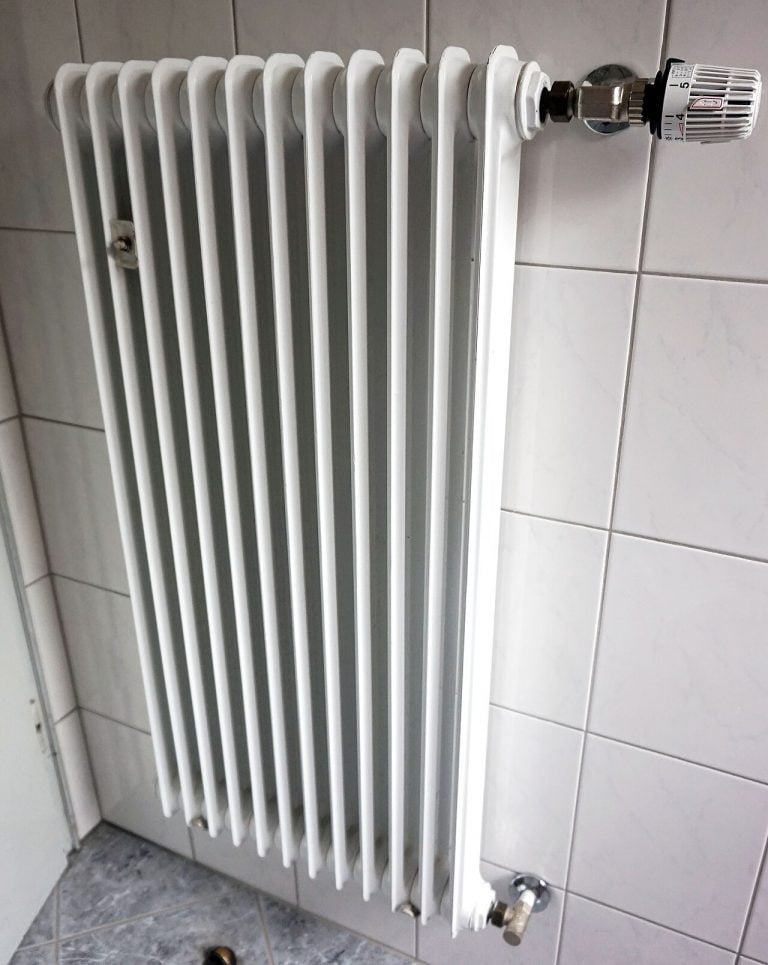
- Vacuum radiator fins with the brush attachment, then run a radiator brush between the columns. For packed dust, aim a hair dryer on cool through the fins and vacuum what falls out. Do this only when the heat is off.
- Clean windows and their deep sills. Prewar sills collect soot and paint chips; vacuum the crevice first, then wipe.
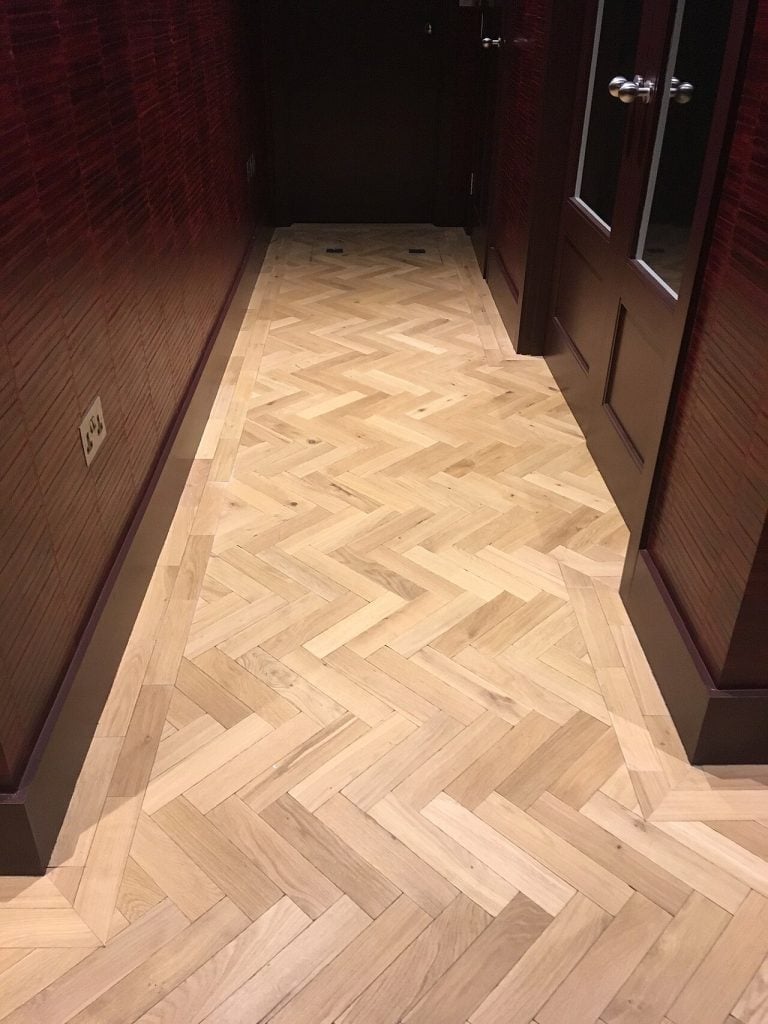
- Damp-mop hardwood with a well-wrung mop and a pH-neutral cleaner. On original hex tile, scrub grout lines with a soft brush, then mop.
- Finish at the baseboards and floor with the crevice tool to catch dust that settled during the whole process.
What NOT to do
Do not soak painted plaster walls or original wood floors. Water is the enemy of prewar surfaces: it swells wood, lifts old paint, and can loosen plaster. Skip steam mops on unsealed or waxed hardwood, and skip abrasive powders on hex tile and porcelain sinks, which scratch the glaze. Do not use acidic cleaners (vinegar, lime removers) on natural stone thresholds or marble mantels, since acid etches the surface. On radiators, avoid painting over thick dust or spraying liquid cleaner into hot fins. If your bathroom tile is cloudy or your shower glass looks filmy, that is almost always soap scum, not hard-water scale; NYC tap water is very soft, so a soap-cutting cleaner works better than a limescale product. A clogged shower head in an old building is usually pipe sediment, not mineral buildup, so unscrew and rinse it rather than reaching for a descaling acid.
When to call a pro
DIY handles routine dusting, floors, and surface grime, but prewar apartments hide problems that reward experience: decades of soot on high molding, radiator gaps you cannot reach, delicate original tile, and layers of built-up wax on parquet. If you are moving in, moving out, or facing a deep clean before a landlord inspection, the time and the risk of damaging century-old finishes often outweigh the savings. When you would rather not balance on a step stool over 10-foot ceilings, book apartment cleaning with CleanWhale and let a team handle the reach, the radiators, and the detail work.
FAQ
How do I clean the deep grooves in a cast-iron radiator?
Vacuum with a brush attachment first, then slide a long radiator brush between the columns. For compacted dust, blow cool air from a hair dryer through the fins and vacuum what comes loose. Only do this when the radiator is cold and the heat is off.
Why is my bathroom tile cloudy if NYC water is soft?
In soft water the usual culprit is soap scum, which actually forms more readily than in hard water, plus fine sediment from old building pipes. Reach for a soap-scum cleaner rather than a limescale or descaling product, which is made for a problem NYC water does not really have.
Can I wash my painted plaster walls?
Yes, but lightly. Use a sponge wrung out in mild dish-soap water, test a hidden spot first, and never let water stream down the wall. Older paint and plaster absorb moisture, so a damp wipe is fine but a soaking is not.
What is the safest cleaner for original hardwood floors?
A pH-neutral wood floor cleaner and a well-wrung mop. Avoid vinegar, ammonia, and steam mops, which can dull, etch, or swell old wood. Keep water to a minimum and dry any spills quickly.
Related guides