




















How to Wash Curtains Without Taking Them Down
 01.08.2026

To wash curtains without taking them down, vacuum both sides with an upholstery brush, spot-treat marks with a damp microfiber cloth and a little dish soap, then hang a fabric steamer's nozzle a few inches away and work top to bottom. This refreshes most machine-unfriendly curtains in place without a full launder.
What you'll need
- Vacuum with an upholstery or soft dusting brush attachment
- Handheld fabric steamer (a travel-size one stores easily in a closet)
- Two microfiber cloths
- A few drops of clear dish soap in a bowl of warm water
- Lint roller for sheers and synthetics
- A step stool if your rod sits above a radiator or window frame
- An old towel to lay along the sill or floor
Step by step
- Open the window if it opens, or turn on a fan — steaming in a small NYC bedroom raises humidity fast, and you want it to clear.
- Start dry. Vacuum each panel top to bottom on low suction with the brush attachment, catching dust in the folds and along the header pleats. Do the back of the panel too, since that side faces the window and collects the most grime.
- Run a lint roller over sheers and any synthetic panels to lift hair and lint the vacuum missed.
- Spot-treat stains. Dip a microfiber cloth in the soapy water, wring it nearly dry, and blot — don't rub — from the outside of the mark inward. Follow with a second cloth dampened in plain water to lift the soap.
- Steam from the top. Hold the steamer nozzle two to three inches off the fabric and move slowly downward, letting the weight of the panel pull wrinkles out as you go. Keep the hot plate off the fabric to avoid shine marks.
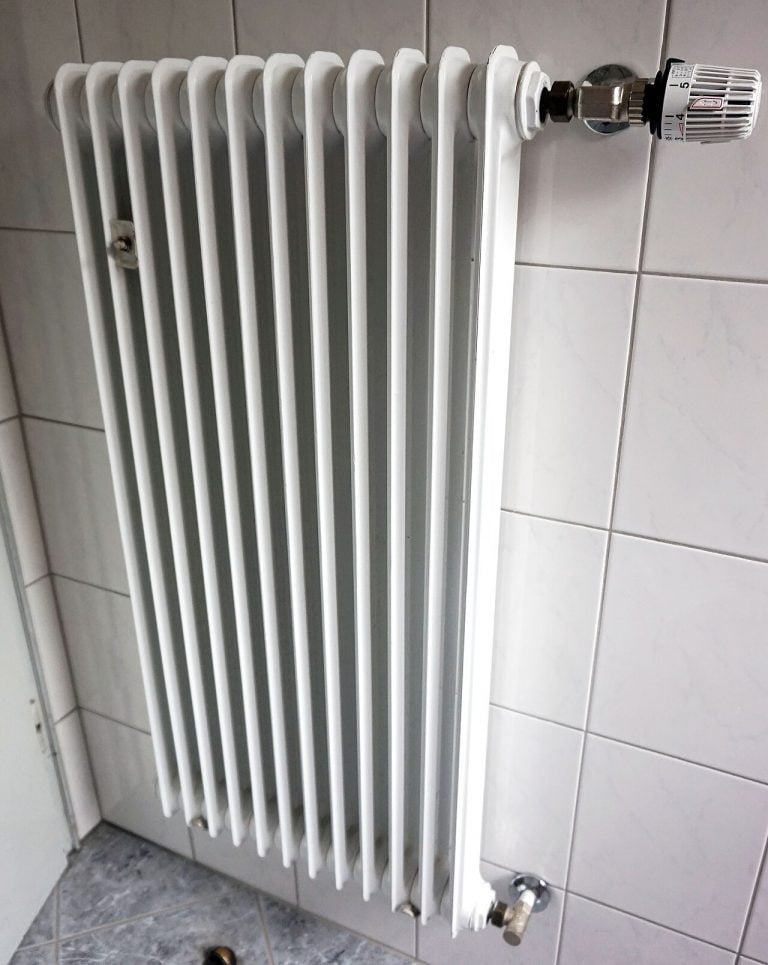
- Lay a towel over the radiator or sill first if your curtains hang there, so drips don't pool on a hot or painted surface.
- Let panels hang and air-dry fully, an hour or two, before you close the window or draw them.
What NOT to do
Don't steam or wet-spot delicate fabrics without checking the care tag — silk, velvet, and many linen blends can water-spot or shrink, and the mark won't come out. Never press a hot steamer plate directly against synthetic or blackout-lined panels; the coating can melt or go glossy in seconds. Skip bleach and stain sprays on colored or patterned fabric, since they can strip dye and leave a pale halo worse than the original stain. And don't drape wet panels over a steam radiator to speed drying — concentrated heat can scorch fabric and set any remaining soap.
When to call a pro
DIY handles dust and the occasional coffee splash, but it stops at deep-set grime, smoke odor, mildew from a condensation-prone window, or heavy lined and pinch-pleat drapes that really need to come down and be handled flat. If your panels are dry-clean-only, oversized, or you simply don't have the floor space to work in a studio, it's worth bringing in help. A cleaner can fold curtain care into a broader visit and deal with the radiator dust and window frame at the same time — book apartment cleaning with CleanWhale and note the curtains when you schedule.
FAQ
Can I wash curtains on the rod with a spray?
A light mist of soapy water on a cloth for spot-treating is fine, but soaking curtains in place isn't — the water runs down onto the rod, wall, and sill, and fabric that stays damp against a window can develop musty smells. Steam is the safer in-place refresh.
Does steaming actually clean curtains or just de-wrinkle them?
Steaming relaxes wrinkles and loosens surface dust and light odors so they air out, which is why you vacuum first. It's a refresh, not a substitute for laundering heavily soiled panels, but for most renters it's enough between deeper cleans.
How often should I do this in a small apartment?
Every four to six weeks for curtains near a kitchen or a window you open to the street, where dust and cooking residue build up faster. Bedroom sheers away from traffic can go a couple of months.
My window doesn't open — is steaming safe?
You can still steam, but keep it brief and run a fan or crack the apartment door so the added moisture disperses. Trapped humidity against a cold, non-opening window can condense and encourage mildew on the fabric.
Related guides