





















How to Wash Blackout Curtains at Home Without Damaging the Coating
 31.07.2026

To wash most blackout curtains, machine-wash them on a cold, gentle cycle with a mild detergent, or hand-wash them in the tub. Skip hot water, bleach, and the dryer's high heat, since these break down the light-blocking coating. Always check the care label first, then hang the panels to air-dry.
What you'll need
- Your curtains' care label (check it before anything else)
- Mild liquid laundry detergent, or a fragrance-free option if you prefer
- Cold or lukewarm water
- A bathtub or large sink for hand-washing
- A washing machine set to gentle, if the label allows
- White microfiber cloths or a soft sponge for spot-cleaning
- A shower rod, tension rod, or the curtain rod itself for drdrying
- A clothes steamer or an iron with a low setting (optional, for wrinkles)
Step by step
- Read the care label. Blackout fabrics vary. Some are foam-backed and machine-safe; others have a bonded acrylic layer that can only be hand-washed or wiped down. The label wins over any general advice.
- Take the panels down and remove the hardware. Pull out hooks, rings, and any grommets you can. Shake the curtains outside your window or over the tub to knock off loose dust.
- Spot-treat stains first. Dab a little diluted detergent on marks with a soft cloth. Work gently; scrubbing can crack the coating.
- Machine-wash on cold and gentle (if the label allows). Use a small amount of mild detergent, wash one or two panels at a time so they move freely, and skip the fabric softener, which can leave a film on the coating.
- Or hand-wash in the tub. Fill it with cold or lukewarm water, add a capful of detergent, submerge the panels, and swish for a few minutes. Drain, refill with clean water, and rinse until the water runs clear.
- Press out water gently. Don't wring or twist. Fold the panel and press it against the tub, or let it drip over the rod.
- Air-dry. Hang the damp curtains back on a tension rod, a shower rod, or the window rod itself. In a small apartment, rehanging them on the window to dry saves floor space and helps them hang wrinkle-free.
- Steam out wrinkles. Once nearly dry, a clothes steamer smooths creases without direct contact. If you iron, use a low setting on the fabric side only, never on the coated back.
What NOT to do
- Don't use hot water. Heat softens and peels the blackout backing, and you'll see cracks and light leaks afterward.
- Don't put them in the dryer on high. Tumbling heat is the fastest way to flake off the coating. If your label permits a dryer at all, use no-heat air fluff only.
- Don't bleach. Bleach discolors the fabric and degrades the light-blocking layer.
- Don't iron the coated side. The backing can melt onto your iron and the panel.
- Don't wring the panels. Twisting stresses the seams and cracks the coating along the fold lines.
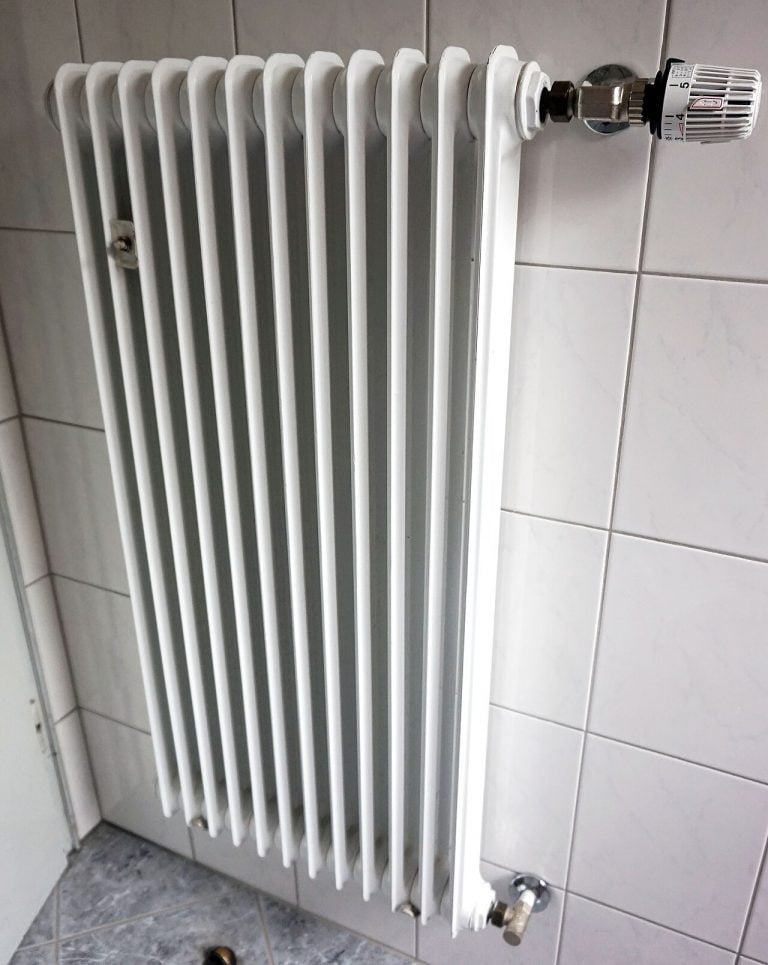
- Watch the radiator. Don't dry curtains draped over a steam radiator; the concentrated heat can scorch fabric and warp the backing.
When to call a pro
DIY works well for foam-backed panels and routine dust. But if your curtains are labeled dry-clean-only, have a bonded acrylic coating, are oversized floor-to-ceiling panels that won't fit your machine, or carry set-in stains you're afraid to scrub, it's worth handing them off. That's also true if you rent and simply don't have the tub space or a spot to air-dry a full set in a small apartment. When washing day turns into a whole-apartment reset, book apartment cleaning with CleanWhale and let someone handle the textiles along with the rest.
FAQ
Can you machine-wash blackout curtains?
Many can be machine-washed on a cold, gentle cycle, but not all. Foam-backed panels usually handle the machine fine, while some coated or dry-clean-only styles cannot. Check the care label before you load them.
How do you dry blackout curtains without a dryer?
Air-dry them. Hang the damp panels on a tension rod, shower rod, or the window rod itself and let them drip-dry. Rehanging on the window helps them dry flat with fewer wrinkles, which is handy when floor space is tight.
How often should I wash blackout curtains?
Once or twice a year for a full wash is usually enough. Between washes, shake them out and vacuum with a brush attachment, or wipe the coated side with a damp cloth to keep dust down.
Why is the coating peeling off my blackout curtains?
Peeling usually comes from heat, either hot-water washing or high-heat drying. Once the backing cracks, you can't fully restore it, so stick to cold water and air-drying to make the panels last.
Related guides