




















How to Wash a Weighted Blanket in a Small Apartment
 31.07.2026

To wash a weighted blanket, first check the care tag for the weight limit of your machine. Most 12- to 15-pound blankets with glass-bead fill can go in a large front-loading washer on cold, gentle, with a mild detergent. Heavier blankets or plastic-pellet fills usually need a laundromat's oversized machine. Air-dry flat or tumble on low.
What you'll need
- The care tag (read it before anything else — fills and covers vary wildly)
- A mild liquid detergent, fragrance-free if you're sensitive
- A large-capacity front-loading washer, or quarters for a laundromat machine
- A removable duvet cover, if your blanket has one
- A drying rack, shower rod, or several clean towels for flat-drying
- Optional: a mesh laundry bag for the cover, and stain pre-treater
Step by step
- Check the weight against your washer. A standard apartment or building-basement washer often maxes out around 12-15 pounds of load. If your blanket alone hits that number wet, don't force it — head to a laundromat with a 25-pound machine.
- Remove and wash the duvet cover separately. If your blanket has a zip-off cover, launder it on its own per its tag. This spares the weighted core most of the wear.
- Spot-treat stains first. Dab a little detergent on marks and let it sit a few minutes. Skip bleach and any product with optical brighteners, which can streak fabric.
- Load it evenly and run cold, gentle, low spin. Use about half your normal detergent. Cold water protects the fill and the stitching that keeps beads in their pockets.
- Run an extra rinse. Weighted blankets hold detergent in their quilted channels. A second rinse clears residue.
- Dry flat or tumble low. Lay it across a drying rack, over the tub on a shower rod, or on towels, redistributing the fill by hand so it dries evenly. If tumble-drying, use low or no heat and add a few clean towels to balance the drum.
What NOT to do
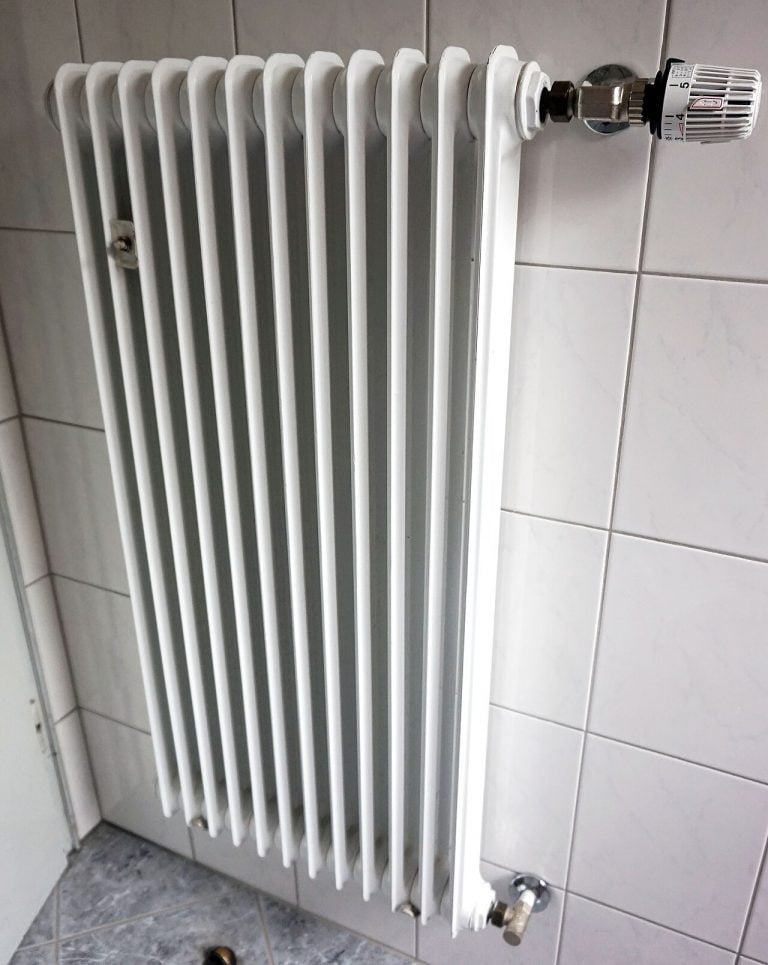
Don't wash a glass-bead or plastic-pellet blanket in hot water — heat can warp plastic pellets and loosen the adhesive or stitching that holds beads in place. Don't wring or twist it to squeeze out water; that shifts the fill and stresses seams. Don't drape a soaking 15-pound blanket over a steam radiator to speed drying — concentrated heat scorches fabric and the uneven weight can pull it off onto the floor. And don't cram it into an undersized washer, which strains both the machine's bearings and your blanket's seams.
When to call a pro
Some blankets simply can't fit in an apartment setup — a 20-pound sand-fill blanket or one with a "dry clean only" tag is a job for a professional cleaner, not your building's basement machine. And if washing day is really about a bigger reset — the bedroom, the closet, the corners you've been ignoring — a scheduled visit takes it off your plate. Book apartment cleaning with CleanWhale and hand off the deep work while you handle the laundromat run.
FAQ
How often should I wash a weighted blanket?
If you use a duvet cover, wash the cover every one to two weeks and the weighted core every two to three months. Without a cover, wash the blanket itself monthly, or sooner after spills.
Can I wash a weighted blanket in a small apartment washer?
Sometimes. A 10- to 12-pound blanket usually fits a large front-loader, but stackable and compact apartment units often can't handle the wet weight. When in doubt, use a laundromat's oversized machine to avoid straining your washer.
Why shouldn't I dry it on a radiator?
A wet weighted blanket is heavy and holds concentrated heat against one spot, which can scorch fabric and slide off onto the floor. Flat-drying on a rack or shower rod is slower but far safer for the blanket and your apartment.
Do glass beads and plastic pellets need different care?
Both prefer cold water and low heat, but plastic pellets are more prone to warping if they get hot, so keep them well away from high dryer settings. Always defer to the care tag for your specific fill.
Related guides