



















How to Sanitize Baby Toys in a Small Apartment
 03.07.2026

To sanitize baby toys, first wash them: scrub hard plastic and silicone toys in hot, soapy water, rinse well, then wipe with a disinfectant registered by the EPA and let the surface air-dry before you hand the toy back. Machine-wash fabric toys on hot. Always rinse food-contact and mouthed toys after any disinfectant.
What you'll need
- Dish soap and hot water
- A small dishpan or clean sink basin (handy when counter space is tight)
- Soft-bristle brush or old toothbrush for grooves and seams
- A disinfectant registered by the EPA, used strictly per its label
- Fragrance-free option if your apartment air doesn't circulate well
- Clean microfiber cloths and a drying rack or towel
- A mesh laundry bag for small fabric toys
- White vinegar and baking soda for a soap-and-water wash (cleaning, not disinfecting)
Step by step
- Sort by material. Separate hard plastic and silicone from battery toys, wood, and washable fabric. Each gets handled differently.
- Wash first. Disinfectants work on already-clean surfaces. Scrub hard toys in hot, soapy water, working the brush into teething grooves and squeaker holes. Rinse thoroughly.
- Handle squeeze toys carefully. Bath toys with a hole trap water inside. Squeeze out all the water, wash, then squeeze again and air-dry standing up. If one already smells musty, retire it.
- Disinfect the hard toys. Apply an EPA-registered disinfectant exactly as the label directs, including its stated wet/dwell time. Keep kids and pets off treated toys until the surface is dry.
- Rinse anything mouthed. For teethers and toys a baby chews, wipe or rinse with clean water after the label's contact time, then dry.
- Machine-wash fabric. Put plush and cloth toys in a mesh bag and run them on the hottest cycle the care tag allows. Air-dry or tumble low.
- Wipe electronics. Never submerge battery toys. Wipe the shell with a barely damp cloth, then a disinfectant wipe, avoiding the battery door.
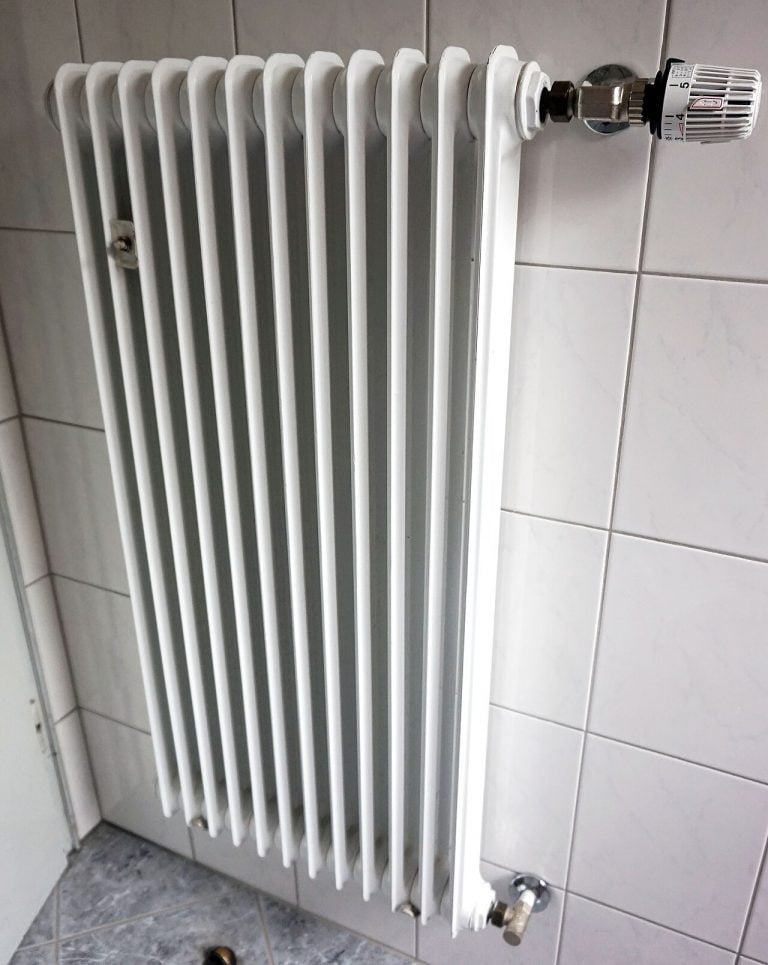
- Dry fully. Lay everything on a rack near a radiator or open window. Trapped moisture invites mildew in a small, humid apartment.
What NOT to do
Don't run wooden or painted toys through the dishwasher or soak them; water swells the grain, lifts paint, and cracks the finish. Wipe wood with a damp cloth and dry it right away. Don't put battery toys, glued plush, or anything with a sound chip in water. Don't set toys on a hot steam radiator to dry, plastic warps and paint scorches; use a rack nearby instead. Don't mix cleaning products, especially anything containing bleach with anything containing ammonia. And don't skip the rinse on chewed toys, disinfectant residue is not meant to be swallowed.
When to call a pro
DIY handles the toy bin, but the toys live in a room, and in a small NYC apartment that room is where dust, radiator grime, and floor traffic all collect. If you're bringing a new baby home, recovering from an illness in the household, or just can't keep up with a deep clean around a crawling infant, it's worth handing off the floors, baseboards, and high-touch surfaces. Book apartment cleaning with CleanWhale and focus your energy on the toys themselves.
FAQ
Is vinegar enough to sanitize baby toys?
Vinegar is a useful cleaner for cutting grime and rinsing in a soap-and-water wash, but it isn't a registered disinfectant, so don't rely on it for that step. If you want to disinfect, use a product registered by the EPA and follow its label.
Is there a "baby-safe" disinfectant I can leave on toys?
No disinfectant should be called "safe" or left on a toy a child mouths. The right move is to pick a fragrance-free product, use it per the label, keep the baby away until the surface dries, and rinse toys that go in the mouth. Treat "safe" as a reason to rinse, not skip it.
How often should I do this?
Wash frequently mouthed teethers every few days and after a playdate or a cold in the house. A fuller disinfect-and-rinse round every week or two is plenty for most toys; over-cleaning wears finishes and eats your limited time.
Can I sanitize toys without a big sink?
Yes. A dishpan on the counter or in the tub works fine for washing, and a folding rack dries a full batch in a corner. For fabric toys, the building laundry on a hot cycle does the heavy lifting.
Related guides