





















How to Remove Yellow Underarm Stains From Shirts
 14.07.2026
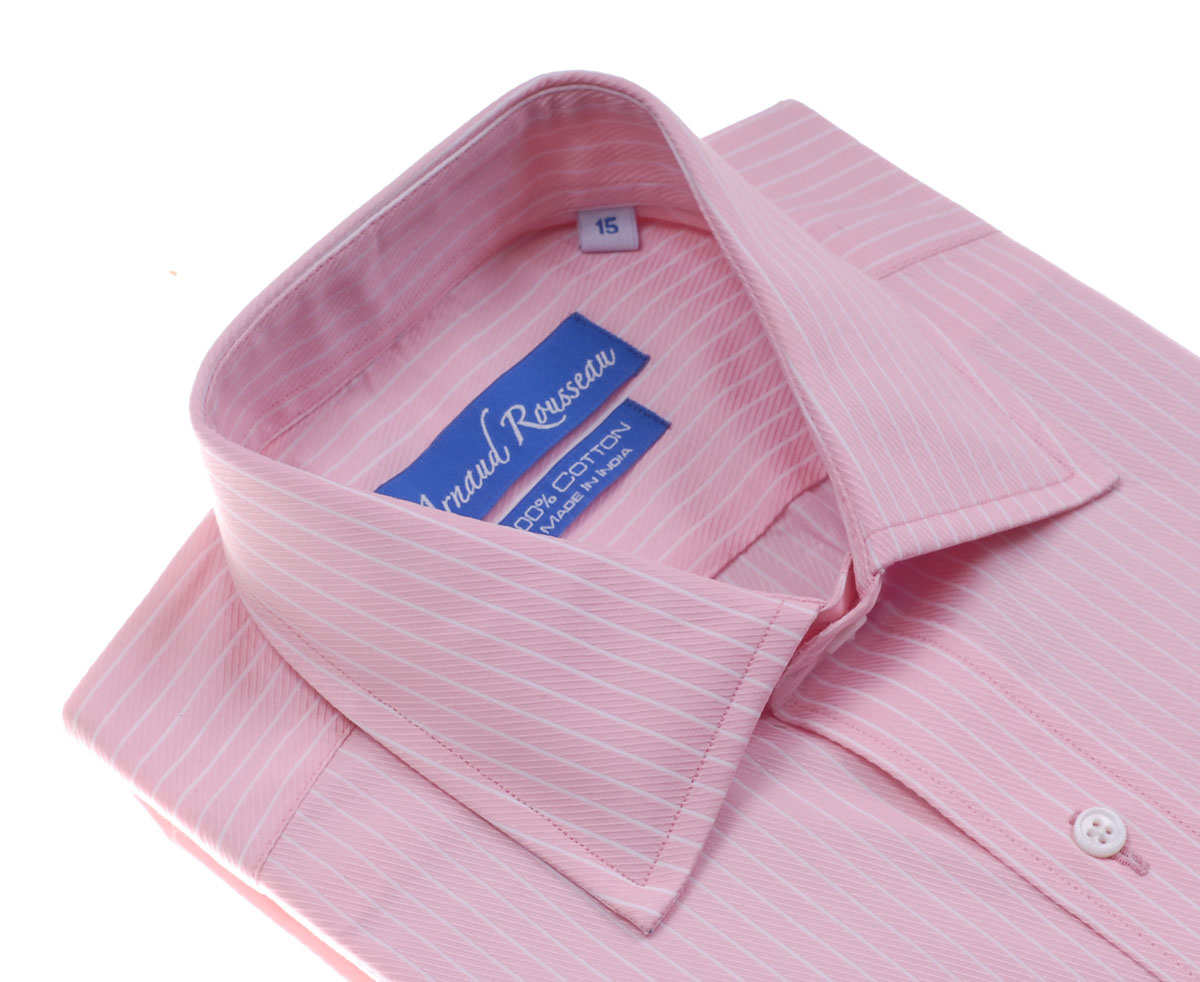
To remove yellow underarm stains, mix a paste of baking soda and water (or use an oxygen-based stain remover), work it into the stain, and let it sit 30 minutes to an hour. Then wash in the warmest water the fabric allows. Yellowing comes from sweat proteins reacting with aluminum in antiperspirant, so treat it before it sets.
What you'll need
- Oxygen-based stain remover (sodium percarbonate powder) or baking soda
- White distilled vinegar
- Hydrogen peroxide (3%) and a little dish soap, for white fabrics
- A soft brush or an old toothbrush
- A basin, sink, or bathtub for soaking (handy when your apartment has no laundry room)
- An enzyme laundry detergent
- Cool-to-warm water
Step by step
- Turn the shirt inside out and check the care label. Test any solution on a hidden seam first, especially on colored or delicate fabric.
- For white cotton, mix one part dish soap with two parts 3% hydrogen peroxide and dab it onto the stain. For colors, make a thick paste of baking soda and water instead.
- Gently work the solution into the yellowed area with a soft brush. Don't scrub hard on thin dress-shirt fabric or you'll fuzz the fibers.
- Let it sit 30 to 60 minutes. Keep the fabric damp; if your radiator-heated apartment is dry, cover it with a damp cloth.
- For stubborn buildup, soak the whole garment in a basin of warm water with a scoop of oxygen-based stain remover for a few hours or overnight.
- Add a splash of white vinegar to the rinse to help break down antiperspirant residue.
- Wash with an enzyme detergent in the warmest water the label allows.
- Air-dry and inspect before heat-drying. A radiator or drying rack works well in a small apartment, and it lets you catch any leftover stain before the dryer bakes it in.
What NOT to do
Don't reach for chlorine bleach on the yellow area. On protein-based sweat stains it often reacts and turns them darker or permanently yellow, and it weakens cotton fibers. Skip hot water on fresh stains, since heat can cook sweat proteins into the weave. Never put a stained shirt through the dryer or drape it over a hot steam radiator until the stain is gone, because that heat sets it for good. On silk, wool, or anything labeled dry-clean-only, don't use hydrogen peroxide or vinegar. And avoid stiff-bristle brushes on thin fabric, which pill the surface.
When to call a pro
Some stains are past DIY. Deep-set yellowing on a favorite white dress shirt, a silk blouse, a structured blazer, or a vintage piece is better handled by a dry cleaner who can match the treatment to the fiber. And if your laundry has piled up because you're between apartments or juggling a small NYC unit with no in-building machines, a full reset of your space can lift the whole burden. If you'd rather hand off the routine work while you tackle the wardrobe, book apartment cleaning with CleanWhale.
FAQ
Why do my shirts turn yellow under the arms?
The yellow color usually comes from sweat proteins reacting with the aluminum compounds in antiperspirant. Over time this residue builds up, oxidizes, and stiffens the fabric, which is why older shirts look worse even after washing.
Does vinegar remove old underarm stains?
Vinegar can help loosen antiperspirant residue and cut mineral buildup, which is why it's useful in the rinse. For set-in yellowing, though, it works best paired with an oxygen-based soak rather than on its own.
Can I prevent underarm stains in the first place?
Let antiperspirant dry fully before dressing, use a thinner layer, and wash shirts promptly instead of letting sweat sit. Undershirts also take the brunt of the residue and are easier to treat or replace than a dress shirt.
How do I treat stains without a washing machine at home?
A bathroom sink or bathtub works fine. Soak the garment in warm water with an oxygen-based stain remover, agitate by hand, rinse thoroughly, and hang it on a drying rack. Many NYC renters do all their pretreating this way before a laundromat trip.
Related guides