





















How to Remove Sweat Stains from Shirts in a Small Apartment
 14.07.2026
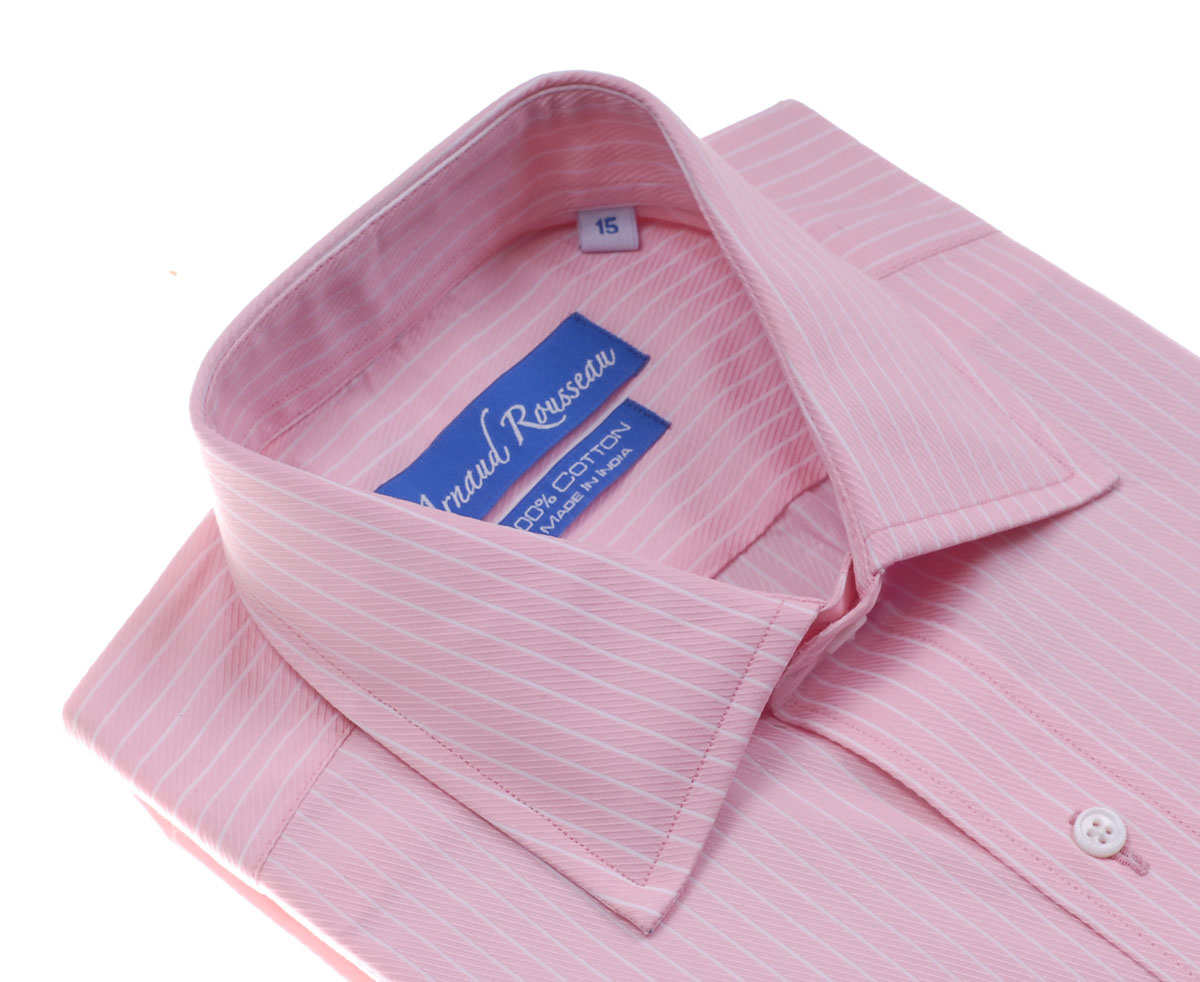
To remove sweat stains, pre-treat the yellowed area with a paste of baking soda and a little water, or dab on hydrogen peroxide mixed with dish soap. Let it sit 30 minutes, gently work it in with a soft brush, then wash in the warmest water the fabric label allows. Air dry and check before heat drying, since heat sets any remaining stain.
What you'll need
- Baking soda
- 3% hydrogen peroxide (the standard drugstore bottle)
- Liquid dish soap
- A soft-bristle brush or an old toothbrush
- A small bowl and a spoon
- White vinegar (for a pre-soak)
- A basin, sink, or the tub if you don't have a laundry sink
- Your usual laundry detergent
Step by step
- Check the care label first. Note the hottest water temperature allowed and whether the fabric is washable at all.
- Turn the shirt inside out and lay the stained area flat over the sink or basin.
- Mix a paste of about three parts baking soda to one part water. For stubborn yellowing, instead mix one part dish soap with two parts hydrogen peroxide.
- Spoon the mixture onto the stain and gently work it into the fabric with the soft brush. Don't scrub hard, especially on thin cotton or delicate collars.
- Let it sit for 30 minutes. Keep peroxide-treated items out of direct sunlight and don't let the fabric fully dry out.
- For set-in armpit marks, pre-soak the whole garment for an hour in a basin of cool water with a cup of white vinegar before washing.
- Wash in the warmest water the label permits, with your normal detergent.
- Air dry and inspect the spot in good light. If a shadow remains, repeat the pre-treat before you ever put it in a dryer.
What NOT to do
Don't reach for chlorine bleach on sweat stains. Bleach reacts with the proteins and body oils in sweat and often turns a faint yellow mark into a darker, permanent one. On silk, wool, and many activewear blends, hydrogen peroxide and vinegar can dull or damage fibers, so spot-test a hidden seam first. Never put a stained shirt through the dryer or press it with a hot iron until the stain is fully gone, because heat bonds the residue to the fabric for good. And skip the hard scrubbing on collars and cuffs, where thin worn fabric tears easily.
When to call a pro
Some things are beyond a sink soak. Structured suit jackets, silk blouses, vintage pieces, and anything labeled dry clean only should go to a professional cleaner rather than your basin. And if sweat stains are only one line on a much longer list, deep-cleaning a whole closet, wiping down a stuffy studio, or resetting an apartment before a move, it may make more sense to hand off the bigger job. If you'd rather spend the afternoon on something else, book apartment cleaning with CleanWhale and keep the delicate laundry for the experts.
FAQ
Why do sweat stains turn yellow?
The yellowing usually comes from a reaction between the salts and oils in sweat and the aluminum compounds in many antiplaceholder antiperspirants. That's why the marks show up most on white shirts at the collar and underarms, and why they build up gradually over many wears.
Does vinegar remove old sweat stains?
A white vinegar pre-soak can loosen built-up residue and help lift older marks, especially paired with a baking soda pre-treat. It works best as a first step before washing rather than as a standalone fix, and set-in stains may need two or three rounds.
Can I remove sweat stains without a washing machine?
Yes. In a small apartment you can pre-treat and soak in the sink or tub, then hand-wash and hang the shirt to dry. It takes longer than a machine cycle, but the pre-treat and soak steps are what actually lift the stain.
How do I stop sweat stains from coming back?
Wash sweaty shirts sooner rather than letting them sit in a hamper, let antiperspirant dry fully before dressing, and treat underarm areas at the first sign of yellowing instead of waiting until it sets.
Related guides