






















How to Get Rid of Litter Box Smell in a Small NYC Apartment
 04.07.2026

To get rid of litter box smell in an apartment, scoop twice a day, do a full litter change and box wash every one to two weeks, and place the box in a ventilated spot away from steam radiators. In a small NYC unit, odor control is mostly about frequency and airflow, not stronger scented products, which usually just layer on top of the smell.
What you'll need
- A litter scoop and a lidded, foot-pedal trash can (ideally right next to the box)
- Sealable bags or a litter-disposal pail for daily waste
- Unscented clumping litter (scented litter often makes small rooms worse)
- A box of baking soda
- Dish soap and a dedicated sponge or brush
- An enzyme cleaner made for pet waste (read the label and follow it)
- Paper towels or a microfiber cloth you'll wash separately
- A washable mat to sit under the box
- Optional: a small fan or a HEPA air purifier for a room with a non-opening window
Step by step
- Scoop every clump, twice a day. Morning and night. In a studio or one-bedroom, waste sitting even a few hours is the single biggest source of smell.
- Seal waste immediately. Drop clumps into a bag or lidded pail right at the box. Don't carry an open scoop across the apartment to the kitchen trash.
- Take the trash out daily. A closed can still off-gasses in a warm apartment. Bag it and get it to the building's chute or bins each day.
- Top off litter and dust in baking soda. Keep litter 2-3 inches deep, and stir a thin layer of baking soda into fresh litter to help absorb moisture.
- Do a full change every 1-2 weeks. Dump all the litter, wash the empty box with warm water and dish soap, rinse well, and dry completely before refilling. Odor lives in the plastic once it gets scratched.
- Treat the surrounding floor. Litter tracks and stray drops land on the floor around the box. Wipe the area and the mat when you do the box.
- Move air. Crack a window if yours opens; if it doesn't, run a fan or air purifier and leave the bathroom or closet door open so air isn't trapped with the box.
What NOT to do
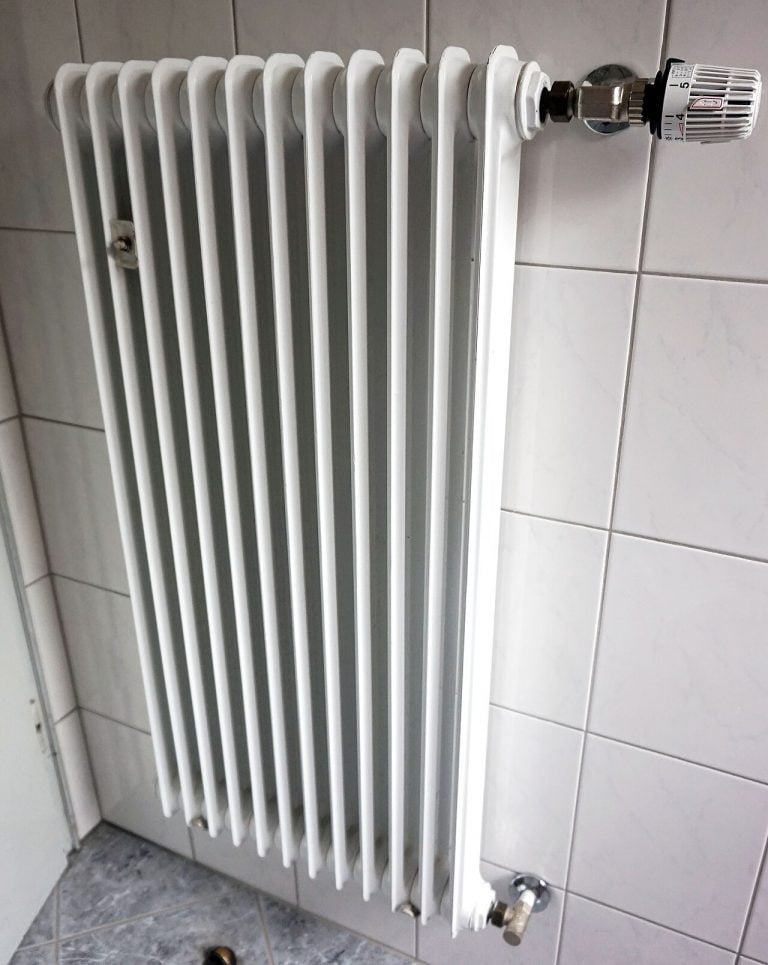
- Don't tuck the box behind or beside a steam radiator. Heat accelerates odor and dries out clumps, and a hot radiator plus litter dust is a mess you don't want.
- Don't put the box in a sealed closet with no airflow. Trapped air concentrates the smell every time you open the door.
- Don't bury the smell under plug-in air fresheners and scented litter. On top of waste odor they just create a stronger combined smell in a small room, and heavy fragrance bothers a lot of cats.
- Don't pour bleach or ammonia products into the box. Ammonia smells like cat urine to a cat and can push them off the box; harsh cleaners also need thorough rinsing before litter goes back in.
- Don't scrub a scratched plastic box forever. Once the surface is deeply worn and holding odor, replace the box.
When to call a pro
DIY handles the box and the immediate area, but if the smell has soaked into a hardwood floor, subfloor, baseboard, or grout after an accident or an overflowing box, surface cleaning won't fully reach it, and that's when a deeper treatment or a flooring pro is worth it. If you're tackling a move-out, an inherited pet-odor problem, or you just don't have the time for a full reset, a professional cleaning can knock down the buildup around the litter zone and the rest of the space in one visit. Book apartment cleaning with CleanWhale and we'll handle the deep clean.
FAQ
Where should I put the litter box in a small apartment?
Pick a spot with some airflow that isn't near a steam radiator, your bed, or the kitchen. A bathroom corner or a ventilated nook works. The cat needs easy access, and you need to be able to open a window or run a fan nearby.
Does baking soda really help with litter smell?
Baking soda helps absorb moisture and dampen odor when you mix a thin layer into fresh litter, but it's not a substitute for scooping. Frequency does most of the work; baking soda is a supporting player, not a fix on its own.
Is vinegar a safe way to disinfect the litter box?
Skip the "disinfectant" framing. If you want to clean the empty box, warm water and dish soap with a thorough rinse and full drying is enough for routine washing. If you want to sanitize, use an EPA-registered product and follow its label directions, keep the cat away from treated surfaces until they're dry, and rinse well before refilling.
How often should I completely change the litter?
For clumping litter with daily scooping, a full dump and box wash every one to two weeks is typical. If you can still smell it right after scooping, change it more often or check whether the box itself is worn out and holding odor.
Related guides