





















How to Disinfect Your Apartment (Without Wrecking Your Counters)
 18.07.2026

To disinfect your apartment, first clean surfaces with soap and water to remove dirt, then apply an EPA-registered disinfectant to high-touch spots and let it stay wet for the full time printed on the product label. Cleaning and disinfecting are two separate steps: cleaning lifts soil, disinfecting treats what's left. Always ventilate and follow label directions.
What you'll need
- Dish soap or an all-purpose cleaner (for the cleaning step)
- An EPA-registered disinfectant — a spray, wipes, or a concentrate you dilute per the label
- Microfiber cloths (one for cleaning, one for disinfecting) or paper towels
- Reusable gloves, especially in a small kitchen where you touch the same counters constantly
- A bucket or spray bottle of warm water for rinsing food-contact surfaces afterward
- Two labeled containers so you don't mix products
Step by step
- Ventilate first. Open a window if yours opens. If it doesn't — common in older NYC units — open the apartment door to the hallway for cross-flow and run the bathroom or range exhaust fan. Disinfectant fumes build up fast in a studio.
- Clean before you disinfect. Wipe counters, the stovetop, and the bathroom with soap and water to remove grease, crumbs, and film. Disinfectants work poorly over a layer of soil, so this step is not optional.
- Read the label. Every EPA-registered product lists which surfaces it's approved for, how long the surface must stay visibly wet, and whether you need to dilute it. Do this before you spray anything.
- Target high-touch surfaces. Doorknobs, light switches, the fridge handle, faucet levers, the toilet flush, cabinet pulls, and your buzzer/intercom button. In a small apartment these get touched dozens of times a day.
- Keep the surface wet for the full label time. One quick swipe isn't enough. Reapply if the surface dries before the time is up.
- Rinse food-contact surfaces. After the contact time, wipe counters, cutting boards, and the table with clean water, unless the label says no rinse is needed.
- Deal with the cloths. Launder microfiber in hot water or bag paper towels. Don't leave a used disinfectant cloth on the counter.
What NOT to do
- Don't mix products. Combining a bleach-based disinfectant with an ammonia or acid cleaner creates dangerous gas — a real hazard in a closed, poorly ventilated apartment.
- Don't disinfect a dirty surface. Skipping the cleaning step wastes product and leaves soil behind.
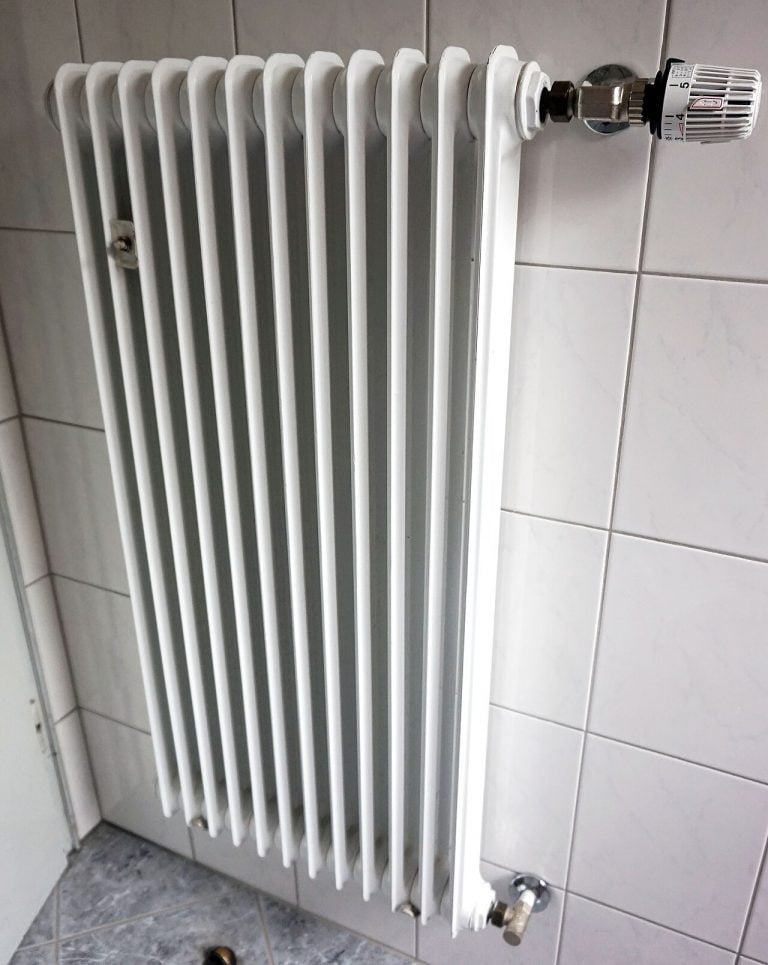
- Don't spray disinfectant on a hot steam radiator. Heat flashes off the liquid before it can do anything and pushes fumes into the room. Let it cool, clean it with a damp cloth, and skip disinfecting the radiator itself.
- Don't soak unsealed stone or unfinished wood. Marble, granite, and butcher-block counters can etch, stain, or dry out. Use a product the label approves for that surface and wipe, don't drench.
- Don't use disinfecting wipes on your phone or laptop screen beyond what the device maker allows — the coating can wear off.
When to call a pro
DIY disinfecting is fine for routine upkeep of your own high-touch surfaces. But if you're moving out and want the place turned over properly, recovering from a household illness, or simply out of time and storage for a bin of supplies in a 400-square-foot apartment, a professional service handles the deep cleaning step thoroughly first — which is what makes any disinfecting that follows actually work. If you'd rather hand it off, book apartment cleaning with CleanWhale and skip the supply run.
FAQ
What's the difference between cleaning and disinfecting?
Cleaning uses soap and water to physically remove dirt, grease, and grime from a surface. Disinfecting is a separate step that uses an EPA-registered product, applied per its label, to treat germs on a surface that's already been cleaned. You generally need both, in that order.
Does vinegar disinfect?
Vinegar is a cleaner, not a registered disinfectant. It can cut grease and mineral buildup, but it isn't an EPA-registered product and shouldn't be relied on for disinfecting. If you want to disinfect, use a product that carries an EPA registration number and follow its directions.
How often should I disinfect my apartment?
For most renters, cleaning regularly is enough day to day. Disinfect high-touch surfaces when someone in the home is sick, after guests, or when you've been handling raw food. There's no need to disinfect every surface every day.
Do I really need to open a window?
Ventilation matters, especially in a small unit. If your window doesn't open, open the door to the hallway and run an exhaust fan to move air while you work. Always follow any ventilation instructions on the product label.
Related guides