






















How to Deep Clean a Small NYC Apartment Kitchen
 09.08.2026

To deep clean a kitchen, work top to bottom and dirtiest-last: clear and wipe cabinet fronts, degrease the stove and backsplash, clean inside the microwave and fridge, scrub the sink, then finish with the floor. In a small NYC apartment this takes about two to three hours. Empty counters first so you have room to work.
What you'll need
- Dish soap and a degreasing spray cleaner (check the label for your surfaces)
- Baking soda and white vinegar for scrubbing and rinsing
- Two microfiber cloths, plus a few paper towels
- A non-scratch sponge and an old toothbrush for grout and edges
- A small bucket or your sink for warm soapy water
- Rubber gloves and a trash bag
- A step stool to reach cabinet tops (ceilings are high in old buildings)
Step by step
- Clear the counters completely. Toss expired food and wipe each item before it goes back later.
- Open a window if yours opens; if it doesn't, run the range hood or a fan for airflow while you use spray cleaners.
- Wipe cabinet fronts and handles with warm soapy water. Grease collects near the stove, so give those doors a second pass.
- Degrease the stovetop. Lift the grates and burner caps, soak them in hot soapy water, and spray the surface. Let it sit a few minutes, then wipe.
- Clean the backsplash and the wall behind the stove, where a fine grease film builds up in tight galley kitchens.
- Microwave: heat a bowl of water with a lemon slice for two minutes, then wipe the softened splatter.
- Fridge: pull shelves and drawers, wash them in the sink, and wipe the interior with baking soda dissolved in warm water. Rinse and dry before reloading.
- Scrub the sink and faucet. Use baking soda for stains, then rinse. Run a little dish soap down the drain with hot water.
- Wipe counters last, then sweep and mop the floor, ending at the doorway so you don't walk back across it.
What NOT to do
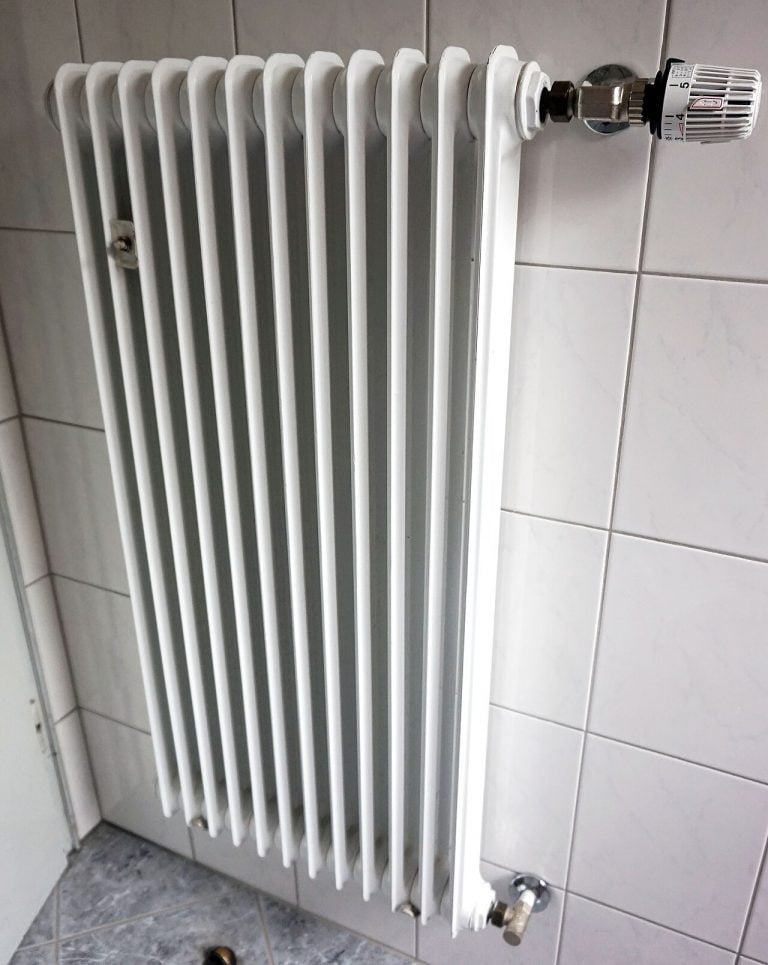
Don't use abrasive powders or steel wool on stainless steel, glass cooktops, or enamel finishes; they leave permanent scratches. Skip vinegar on natural stone counters like marble or unsealed granite, since acid etches the surface. Never mix bleach with any other cleaner. Keep water away from the gaps around your steam radiator and any electrical outlets, and don't soak wood cabinet fronts, which can swell and warp the veneer.
When to call a pro
DIY handles routine buildup, but some jobs are beyond a sponge and an afternoon. Baked-on oven grime, a stove you're afraid to move, years of grease behind appliances, or a move-out clean your landlord will inspect are worth handing off. A professional team brings the tools and time a small apartment kitchen rarely has room to store. If you'd rather skip the whole project, book a deep cleaning with CleanWhale and come home to a done kitchen.
FAQ
How often should I deep clean my kitchen?
A full deep clean every three to four months keeps buildup manageable in a small kitchen. Wipe the stove and counters weekly so the deep clean stays quick.
What's the fastest order to clean a kitchen?
Top to bottom, dirtiest-last: cabinets, stove, appliances, sink, counters, then the floor. Cleaning the floor first only means redoing it after crumbs and drips land.
How do I clean grease without harsh chemicals?
Warm water with dish soap cuts most kitchen grease, and a baking soda paste lifts stubborn spots. Let the soapy water sit a minute before wiping so you're not scrubbing dry.
Can I deep clean my kitchen if my window doesn't open?
Yes. Run your range hood or a fan for airflow, keep the door open, and take breaks. Avoid mixing products so you're not trapped with strong fumes in a closed space.
Related guides