




















How to Clean Wooden Blinds Without Warping the Slats
 10.07.2026

To clean wooden blinds, close the slats flat and dust each one with a microfiber cloth or a vacuum brush attachment, working top to bottom. For stuck-on grime, use a barely damp cloth with a drop of dish soap, then dry each slat immediately. Never soak real wood blinds in water, as it warps and stains the finish.
What you'll need
- Two microfiber cloths (one for dusting, one for drying)
- A vacuum with a soft brush attachment
- A clean, dry sock you can slip over your hand (optional but great for slats)
- A small bowl of warm water with one drop of dish soap
- A dry towel to lay across the windowsill
- Wood cleaner or a wood-conditioning wipe for finished blinds (optional)
Step by step
- Tilt the slats fully closed so they sit flat and face you. This gives you one continuous surface instead of a dozen thin edges.
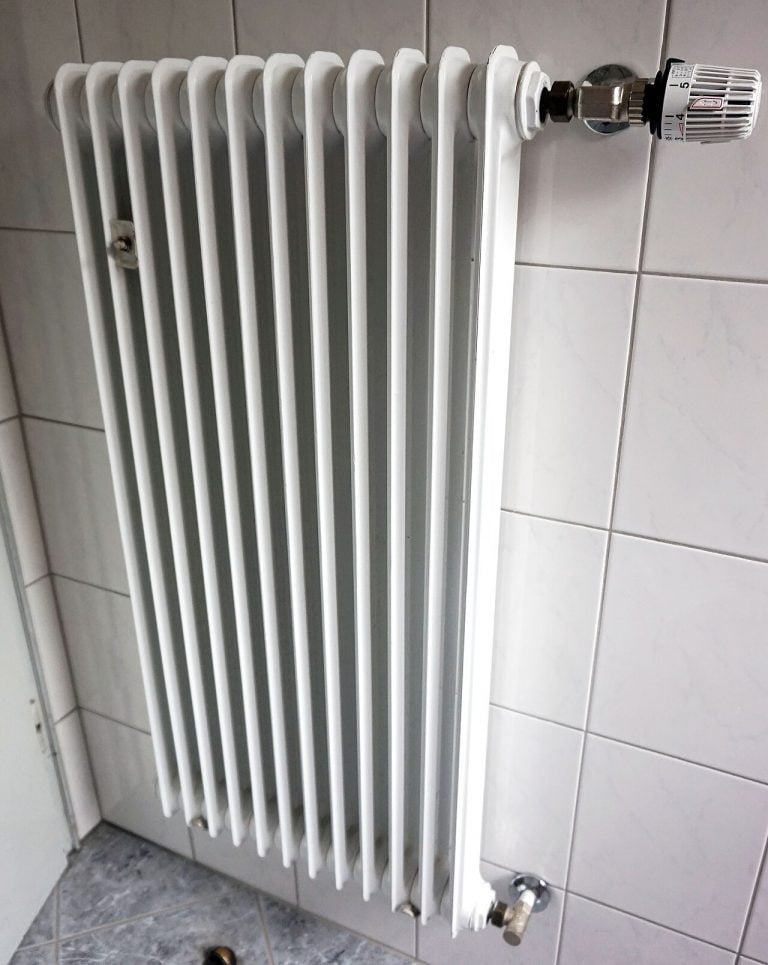
- Vacuum first. Run the soft brush attachment along the slats, top to bottom, to pull off loose dust before it turns to grime. In a small apartment near a radiator, dust builds fast, so this step does most of the work.
- Dry-dust each slat with a microfiber cloth or a sock over your hand. Pinch each slat between two fingers and slide across. Go top to bottom so falling dust lands on slats you haven't cleaned yet.
- Flip the slats to the opposite closed position and repeat, since the back faces the window and collects a different film.
- Spot-clean grime. Dip a cloth in the soapy water, wring it until it is barely damp, and wipe only the dirty slats. Kitchen-area blinds often carry a greasy haze that dry dusting won't lift.
- Dry immediately. Follow each damp wipe with the second, dry cloth. Standing water is what ruins real wood, so don't let it sit.
- Wipe the tilt wand and pull cords with the damp cloth, then dry them too.
- Leave the slats open to finish air-drying before you angle them closed again.
What NOT to do
Don't spray water or all-purpose cleaner directly onto real wood slats. The liquid runs into the seams and the finish, and warped or water-stained slats can't be flattened back out. Skip soaking blinds in the tub, a trick that works for aluminum or vinyl but destroys wood. Avoid ammonia, bleach, and abrasive pads, which strip the finish and leave dull patches. Don't ignore the cords: yanking dusty cords through the mechanism grinds grit into it. And if your blinds are actually faux wood (composite), they tolerate more moisture, but you still shouldn't leave them dripping. When in doubt about the material, treat them as real wood.
When to call a pro
DIY dusting handles routine upkeep, but there are limits in a city apartment. If your blinds hang over a non-opening window, sit above a steam radiator that has baked on years of film, or you simply can't reach a tall living-room window safely, a hands-on cleaning gets awkward fast. It's also a common move before a move-out inspection, when a landlord expects every slat spotless and you don't want a deposit fight. If you'd rather hand off the whole window area along with the rest of the place, book apartment cleaning with CleanWhale and let a team handle the detail work.
FAQ
How often should I clean wooden blinds?
Dust them lightly once a week, especially near a radiator or a kitchen where film builds quickly. A deeper spot-cleaning every month or two is usually enough for a small apartment.
Can I use vinegar on wooden blinds?
It's best avoided on real wood. Vinegar is acidic and can dull or etch the finish over time. A single drop of dish soap in water, applied with a wrung-out cloth, is gentler and works fine for grime.
What's the fastest way to dust blinds?
Slip a clean sock over your hand, close the slats flat, and slide your fingers along each one. You clean the top and can pinch to catch both edges, which is far quicker than a flat cloth.
How do I tell real wood from faux wood blinds?
Real wood is noticeably lighter to lift and the grain varies slat to slat. Faux wood (composite or PVC) feels heavier and uniform. Faux handles moisture better, but you should still dry it rather than leave it wet.
Related guides