





















How to Clean Wood Kitchen Cabinets in a Small NYC Apartment
 13.08.2026
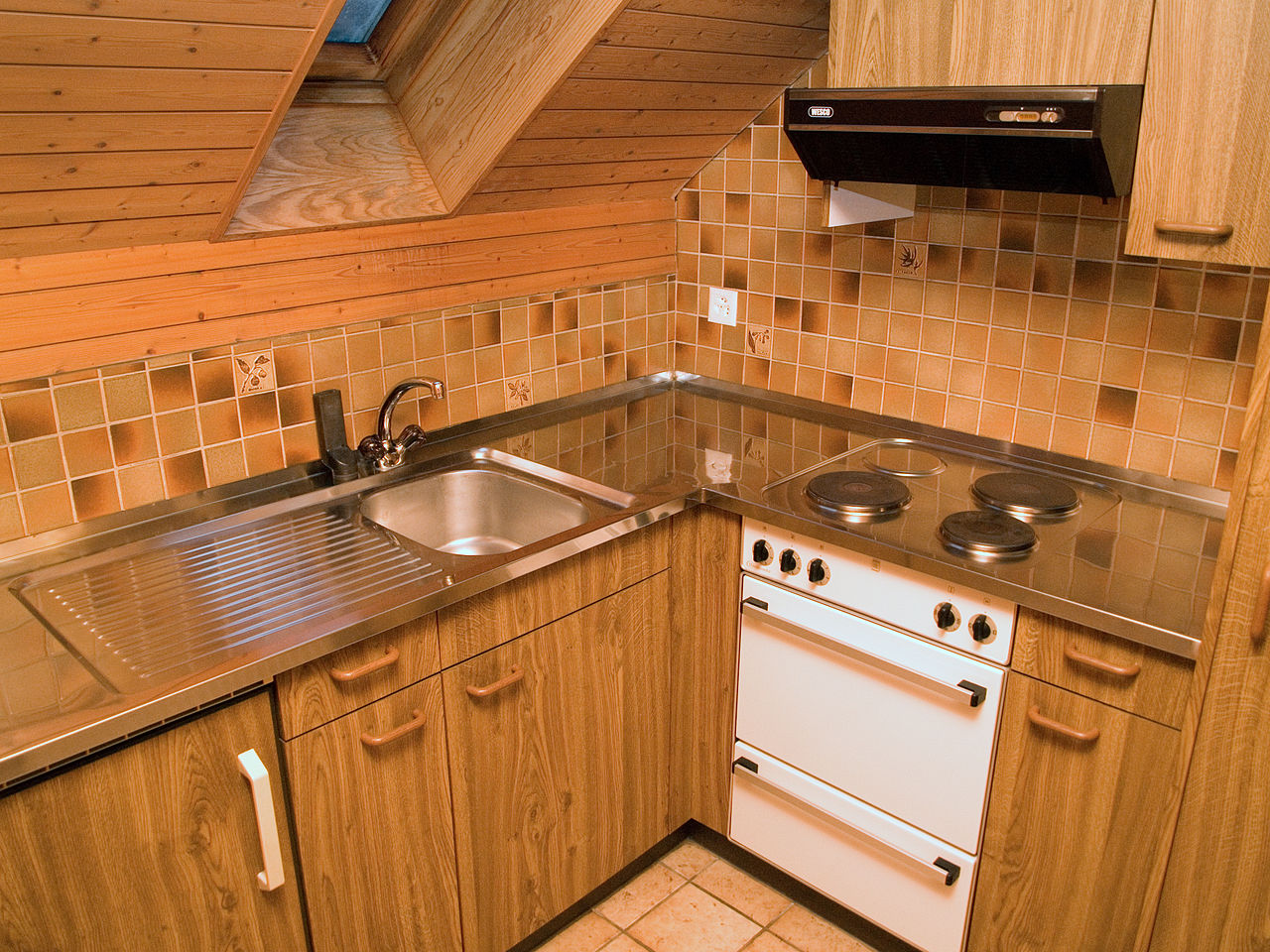
To clean wood kitchen cabinets, wipe them with a cloth dampened in warm water and a few drops of dish soap, working with the grain. Rinse with a second damp cloth, then dry immediately with a third. Skip soaking, harsh scrubbing, and all-purpose sprays with ammonia or bleach, which can dull or strip the finish over time.
What you'll need
- Two or three soft microfiber cloths (one to wash, one to rinse, one to dry)
- Warm water in a small bowl (an apartment sink fills this fast)
- A few drops of liquid dish soap
- An old soft toothbrush for corners and carved trim
- Baking soda for stuck-on grease spots (optional)
- A dab of paste wax or wood-cabinet polish for a finish touch-up (optional)
Step by step
- Empty the counter below and lay down a towel so drips don't pool on the backsplash or floor.
- Mix warm water with a few drops of dish soap. You want it barely sudsy, not a foamy bath.
- Dampen a cloth, wring it hard, and wipe each cabinet door following the direction of the wood grain. Start at the top and work down so drips land on dirty surfaces, not clean ones.
- For greasy spots near the stove, make a loose paste of baking soda and water, apply it gently with the cloth, and wipe with the grain. Don't grind it in.
- Use the damp toothbrush for grooved edges, corners, and around hardware where grime collects.
- Go over everything with a second cloth dampened in plain water to rinse off any soap residue.
- Dry each door and frame right away with a clean, dry cloth. Standing moisture is the enemy of wood.
- Once dry, buff a small amount of paste wax or wood polish over the finish if it looks thirsty. A little goes a long way.
What NOT to do
Don't let water sit on the wood. Steam-heated apartments already swing between humid and bone-dry, and standing moisture can swell seams, lift veneer, or cloud the finish. Skip magic erasers and scouring pads, which abrade the topcoat and leave dull patches. Avoid all-purpose sprays with ammonia or bleach, and vinegar on unsealed or oiled wood, since acid can etch the surface. Never spray liquid directly onto the cabinet; spray the cloth instead, so nothing runs behind the doors or into hinge screws. And don't hang a wet dish towel over a cabinet door, a common small-kitchen habit that leaves water marks.
When to call a pro
DIY handles routine grease and grime, but there's a point where it stops. If your cabinets have deep built-up grime in the seams, water damage near the sink, or a hazy finish that won't come back no matter how you wipe, that's restoration territory, not a wipe-down. And if you're prepping for a move-out inspection and your landlord is watching the details, or your galley kitchen is too tight to reach the tops of the uppers, a deep clean by someone else saves your weekend. Book apartment cleaning with CleanWhale and let us handle the cabinets along with the rest of the kitchen.
FAQ
Can I use vinegar to clean wood cabinets?
Be careful. On a sealed, factory-finished cabinet a very diluted vinegar solution is usually fine for the occasional greasy spot, but on unsealed, oiled, or waxed wood the acid can dull or etch the surface. When in doubt, plain dish soap and water is the safer bet, and always test on a hidden spot first.
How often should I clean kitchen cabinets in an apartment?
Wipe the doors near the stove and sink weekly, since that's where cooking grease and splashes land. Give all the cabinets a fuller cleaning every month or two. In a small NYC kitchen, cooking oils spread fast because everything sits close together.
How do I get sticky grease off cabinets above the stove?
Loosen it first with a warm, soapy cloth and give it a minute to soften. For stubborn buildup, use a loose baking soda paste and gentle pressure, always wiping with the grain. Rinse and dry right after. Don't reach for a scouring pad, which will scratch the finish.
What's the best way to protect the finish after cleaning?
Dry the wood completely, then buff on a thin coat of paste wax or a dedicated wood-cabinet polish a couple of times a year. It adds a light protective layer and helps the next round of grease wipe off more easily.
Related guides