



















How to Clean Up After a Shedding Dog in a Small NYC Apartment
 03.07.2026

To clean up after a shedding dog, work top to bottom: lift hair off soft surfaces first with a rubber-edged tool or dampened glove, then vacuum floors and upholstery with a HEPA filter, and finish by wiping baseboards and steam radiators with a slightly damp microfiber cloth. Rinse or empty tools often so you move hair out, not around.
What you'll need
- A vacuum with a HEPA filter and a small motorized upholstery/pet attachment
- A rubber pet-hair brush or a plain rubber squeegee (works on rugs and sofas)
- Damp rubber dishwashing gloves
- Microfiber cloths, dampened lightly with water
- A lint roller or reusable roller for clothes and small fabric spots
- A soft-bristle brush or crevice tool for radiator fins and vents
- Fragrance-free floor cleaner for sealed floors (check your floor type first)
Step by step
- Trap airborne hair first. If your window opens, crack it before you start. If it doesn't, run an air purifier or just accept that stirring hair takes time to settle, then vacuum again at the end.
- Do soft surfaces before floors. Drag a damp rubber glove or squeegee across the sofa, chairs, and dog bed. Hair clumps into rolls you can lift off by hand. Vacuuming loose hair alone tends to push it around.
- Vacuum upholstery with the motorized attachment. Go slowly in overlapping passes. Empty the canister into a bag before it clogs, especially in a small unit with limited suction.
- Hit the floors. Vacuum hard floors and rugs. In a studio, hair collects along walls and under the bed frame, so run the crevice tool along baseboards.
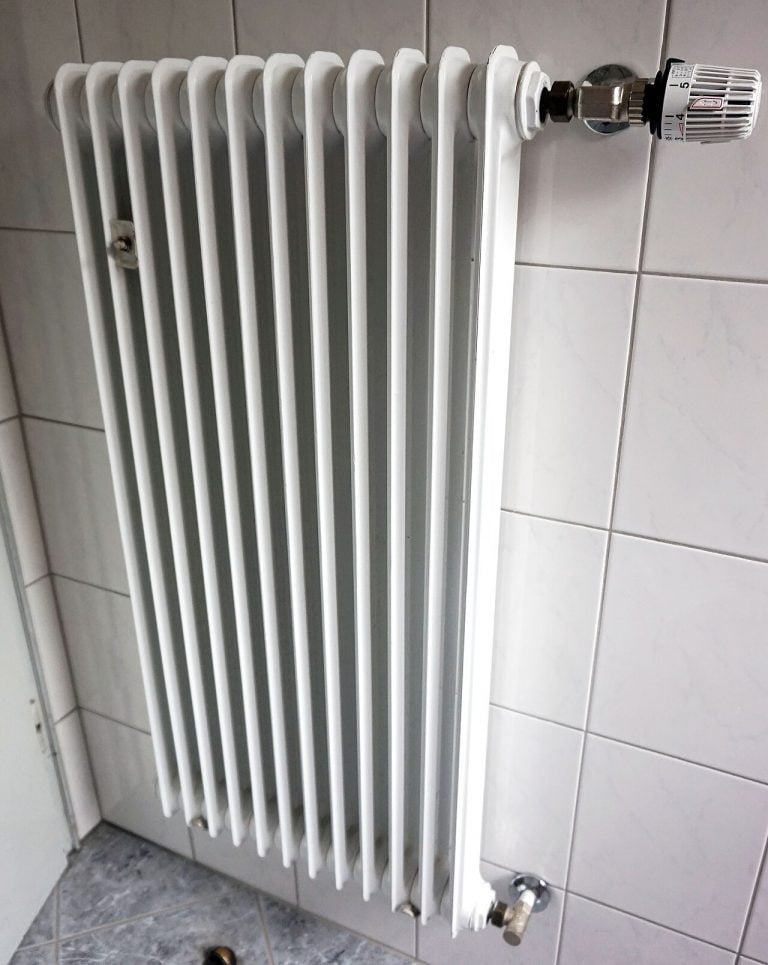
- Clean the radiator. Steam radiators are hair magnets. When cold, run a soft brush or crevice tool between the fins, then wipe the top with a damp microfiber cloth.
- Damp-mop sealed floors. Use a well-wrung mop and a fragrance-free cleaner suited to your floor. Rinse well and let it air dry; keep the dog off until it's dry.
- Deal with clothes last. Roll off hair before laundry. A short tumble on air-dry in the dryer, then the lint trap, pulls a surprising amount off fabric.
What NOT to do
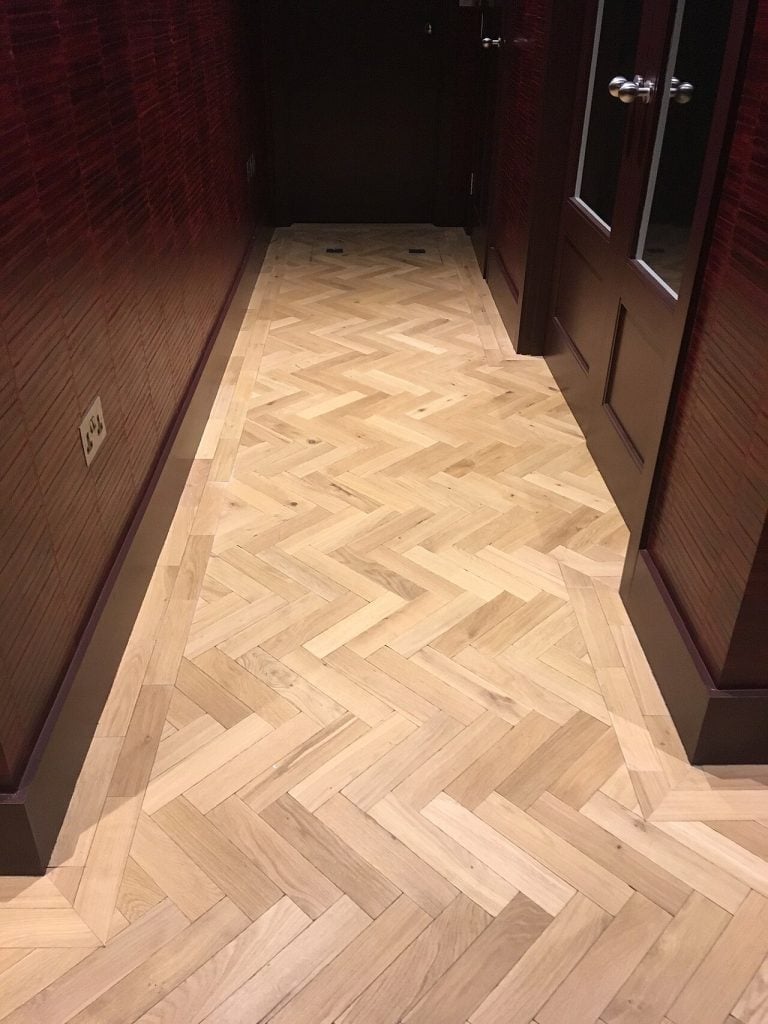
Don't soak hardwood or laminate. Standing water swells the seams and warps the boards, and NYC apartment floors are often decades old. Don't use a bristle broom on rugs; it flings hair into the air and grinds it deeper into the pile. Never pour water into or onto a hot steam radiator, and don't try to clean between the fins while it's on. Skip vinegar on stone or unsealed tile in the bathroom, since acid etches those surfaces. And don't rely on a lint roller for a whole sofa; you'll burn through a roll and barely make a dent.
When to call a pro
DIY handles weekly maintenance, but shedding builds up in the places you can't reach: deep in a sofa's cushions, under a heavy bed, behind the radiator, and worked into a wool rug. If you're moving out and want your deposit back, or the hair has become embedded after months of a heavy shedder, a deep clean with commercial-grade extraction gets further than a rental vacuum in a fifth-floor walk-up. Book apartment cleaning with CleanWhale when you want the whole unit reset instead of chasing hair room by room.
FAQ
Is any cleaner "pet safe" to use around my dog?
No cleaner is truly "pet safe" as a category, and that label isn't a guarantee. What you can do is choose fragrance-free products, rinse treated floors well, and keep your dog off any surface until it's fully dry. That reduces contact more reliably than trusting a marketing claim.
How often should I clean up dog hair in a small apartment?
In a studio or one-bedroom, a quick pass every two to three days keeps hair from building into drifts. A heavy shedder during spring or fall coat-blow may need daily soft-surface swipes plus a full vacuum weekly.
What's the fastest way to get hair off a couch?
A damp rubber glove or squeegee beats a lint roller by a mile. Wipe in one direction, gather the rolls of hair, and finish with the vacuum's upholstery attachment for whatever's left in the seams.
Does brushing my dog actually cut down on cleanup?
Yes. Regular brushing, ideally near an open window or over an easy-to-sweep floor, removes loose undercoat before it lands on your furniture. Ten minutes of brushing saves far more cleanup time later.
Related guides