





















How to Clean Under the Bed and Behind Appliances in a Small NYC Apartment
 08.07.2026

To clean under the bed and behind appliances, pull each item a few inches from the wall, vacuum the floor and coils with a crevice tool, wipe hard surfaces with a damp microfiber cloth, then dry. Work top to bottom so falling dust lands where you haven't cleaned yet. In a small apartment, do one zone at a time so you never fully unpack the room.
What you'll need
- Vacuum with a crevice tool and a soft brush attachment (a slim stick or handheld works best in tight NYC gaps)
- Microfiber cloths — a few, so you can swap a dirty one out
- A flat, long-handled duster or a microfiber cloth wrapped on a paint stick for under-bed reach
- A spray bottle of warm water with a drop of dish soap
- An old toothbrush or coil brush for radiator fins and fridge vents
- A flashlight or your phone light
- Furniture sliders or a folded towel to move heavy pieces without scratching the floor
Step by step
- Clear the floor first. Pull out the under-bed storage bins, shoes, and stray socks. Set them in the hallway or on the bed so you have a clear runway.
- Do the bed. Slide the bed a foot from the wall if it moves, or use your long-handled duster to sweep the dust bunnies out from the middle. Vacuum the whole area, including the baseboard and the back of the headboard. Wipe the bed frame legs with a damp cloth.
- Pull the fridge out gently. Most NYC apartment fridges roll on small wheels. Ease it forward a few inches — don't yank, and mind the water or ice line if you have one. Vacuum the coils and floor behind it with the crevice tool, then brush the vents.
- Behind the stove. Slide it out if it isn't hard-plumbed to gas. Vacuum grease-dust off the floor, then wipe the side panels with warm soapy water. Grease traps dust, so a damp wipe beats a dry one here.
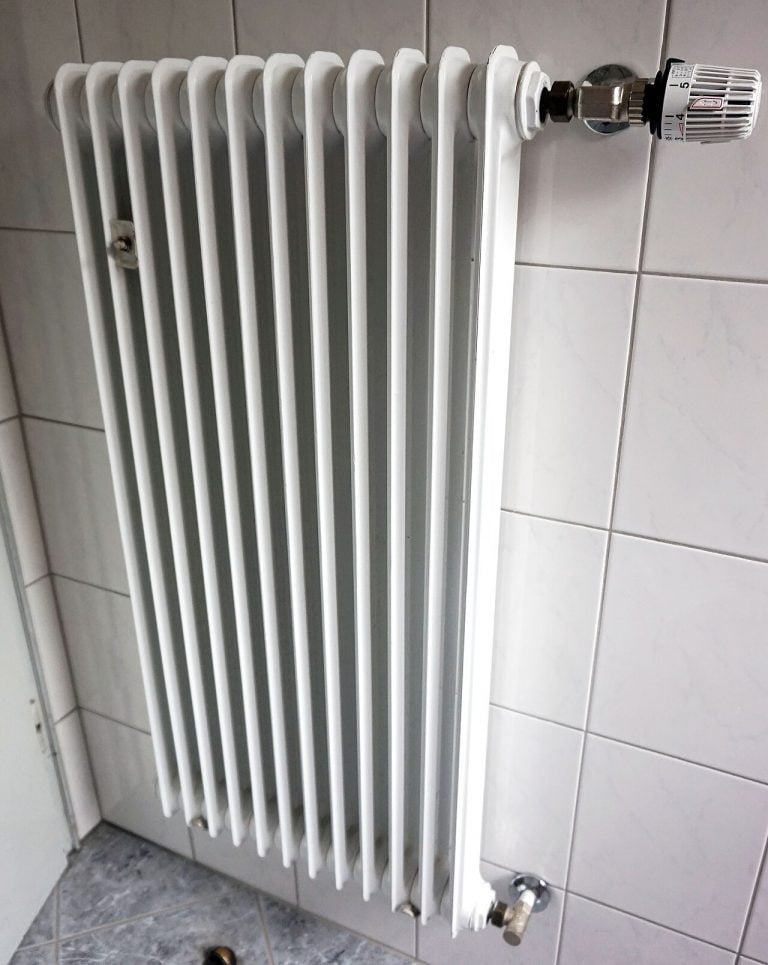
- Behind and under the steam radiator. Vacuum the fins with the soft brush, then run a damp cloth or toothbrush between them. Do this when the radiator is cold, not mid-winter when it's hot.
- Wipe and dry. Damp-wipe baseboards and hard floors in each zone, then go over them with a dry cloth so you don't leave streaks or trapped moisture.
- Push everything back. Slide furniture and appliances into place and return your bins. Leave a finger-width gap behind the fridge for airflow.
What NOT to do
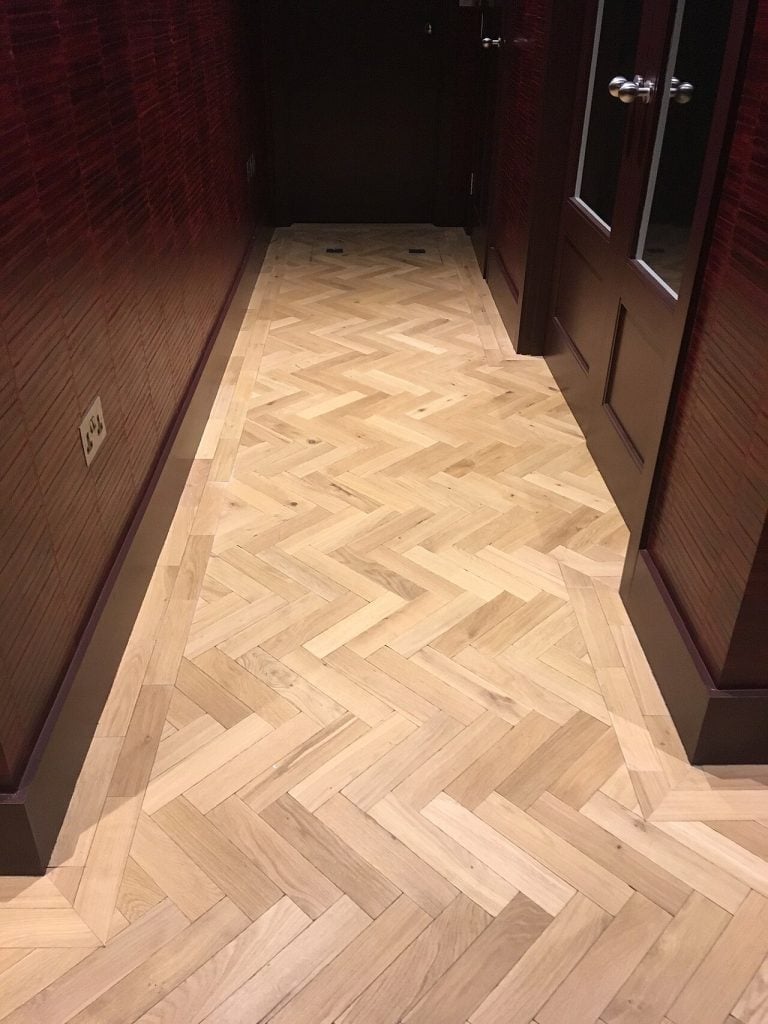
Don't drag a heavy appliance or bed frame across a hardwood or parquet floor — sliders or a folded towel save you from gouges your landlord will notice. Don't soak radiator fins or spray water into an electrical outlet or the fridge's coil area; use a damp cloth, not a wet one, and unplug the fridge if you're wiping near the plug. Skip bleach or ammonia on stainless steel appliance sides, which can streak or dull the finish — warm soapy water is enough. Don't run a mop with standing water across an old tile floor with cracked grout; you'll push grime into the seams. And never spray any product directly onto a hot radiator.
When to call a pro
DIY covers the routine dust, but there's a point where it stops being worth the backache. If your fridge or stove is hard to move, if you're staring down move-out day and want the whole apartment reset, or if months of buildup have collected in spots you can't safely reach behind a hard-plumbed appliance, it's reasonable to hand it off. A crew brings the tools and the muscle to shift heavy pieces without marking the floor. Book apartment cleaning with CleanWhale and let someone else crawl behind the radiator.
FAQ
How often should I clean under the bed and behind appliances?
Under the bed, aim for once a month — dust and hair build up fast at floor level, especially near a bed. Behind the fridge and stove, two to four times a year is usually enough, since dusty coils make the appliance work harder.
What if my bed or fridge won't move?
Use a long-handled flat duster or a microfiber cloth taped to a paint stick to reach the middle, and a crevice tool to vacuum the edges. You can clean most of a fixed piece without moving it; just work from both accessible sides.
Can I use vinegar on the appliances and floor?
Diluted vinegar can cut greasy film on some sealed surfaces, but keep it off stone floors, unsealed grout, and rubber gaskets, where the acid can etch or degrade the material. When in doubt, warm water with a drop of dish soap is the gentler choice.
Why does so much dust collect behind the fridge?
The coils give off warm air that pulls in dust, and the tight, rarely disturbed gap behind the appliance lets it pile up. That layer of dust also makes the fridge run less efficiently, which is a good reason to vacuum the coils a couple of times a year.
Related guides