





















How to Get Grease Off Kitchen Walls and Ceilings
 11.08.2026

To clean grease off kitchen walls, mix a few drops of dish soap into warm water, wipe the wall in small sections with a soft cloth, then rinse with a second damp cloth and dry immediately. For stubborn buildup near the stove, use a spray degreaser, let it sit one minute, and wipe from the bottom up to avoid streaks.
What you'll need
- Grease-cutting dish soap (a few drops in warm water)
- A spray degreaser for heavy buildup, or a baking soda paste as a gentler option
- Two microfiber cloths (one to wash, one to rinse) plus a dry towel
- A non-scratch sponge for textured or thicker deposits
- A bucket or large bowl of warm water
- Rubber gloves
- A sturdy step stool for reaching ceilings and above cabinets
- Painter's tape and a drop towel to protect the countertop and floor below
Step by step
- Open a window if yours opens, or run the range hood, before spraying any degreaser. In a small apartment kitchen, fumes concentrate fast.
- Clear the counter and lay a towel below the wall you're working on to catch drips.
- Test your cleaner on a hidden spot first, low on the wall or behind the stove, to check the paint doesn't lift or dull.
- Start with the dish soap solution. Dampen a microfiber cloth, wring it so it's not dripping, and wipe a section about two feet square using small circles.
- For grease that resists, spray degreaser directly on the cloth (not the wall, which sends overspray everywhere in a tight space), let it sit about a minute, then wipe.
- Work bottom to top on walls. Cleaner runs down onto dry wall below and leaves streaks that are hard to remove if you go top-down.
- Rinse each section with your second cloth and clean water, then dry with the towel right away so no film sets.
- For the ceiling above the stove, work in small patches from the step stool, keeping the cloth barely damp so nothing drips into your eyes.
- Finish the backsplash and the wall edge behind the range last, where buildup is thickest, using the baking soda paste and a non-scratch sponge if needed.
What NOT to do
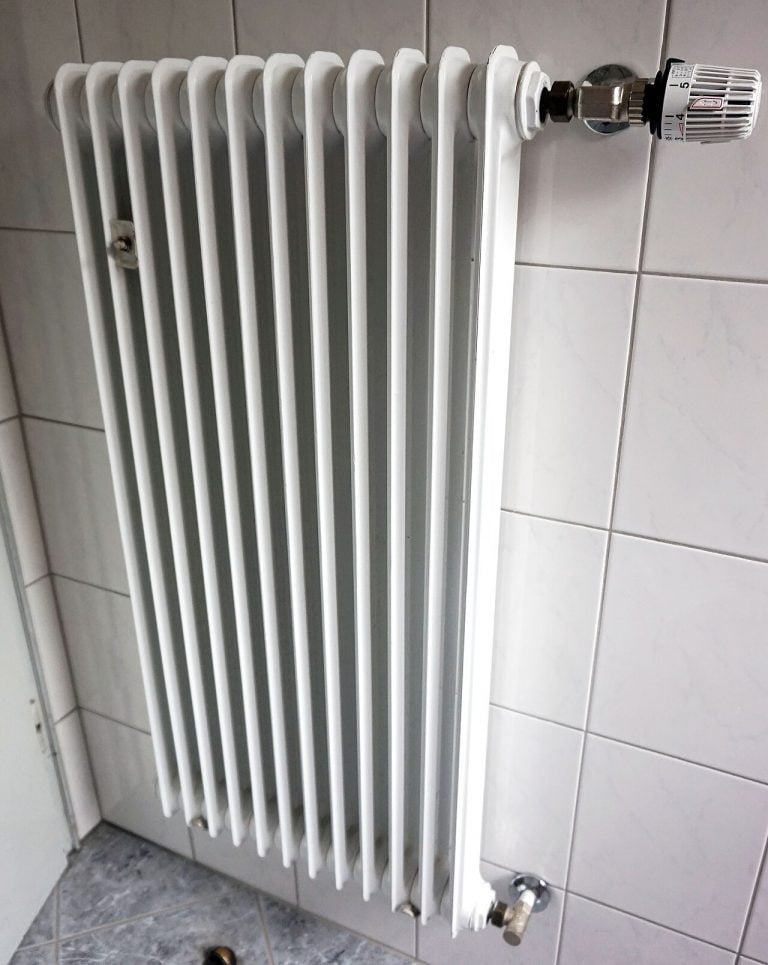
Don't reach for an abrasive scouring pad or powder on flat or matte paint. It burnishes shiny spots into the finish that you can't undo without repainting. Skip ammonia-based cleaners on glossy oil paint, which can soften it. Never soak a wall and walk away; water wicking behind the paint on old plaster (common in pre-war NYC buildings) can bubble the surface. Keep all liquids away from outlets and light switches, and don't spray degreaser near a lit gas burner or a hot steam radiator. On unsealed brick or exposed plaster, wet cleaning can stain permanently, so test a hidden patch and stop if it darkens.
When to call a pro
DIY handles routine cooking film and the greasy halo around the stove. But if grease has built up for years into a sticky yellow lacquer, if it's spread across a high ceiling you can't safely reach, or if you're cleaning before a move-out inspection and your deposit is on the line, the time and risk of damaging old paint often isn't worth it. A crew brings the right degreasers, ladders, and drop protection and finishes in one visit. Book apartment cleaning with CleanWhale and hand off the walls, ceiling, and the spots behind the range you'd rather not climb to.
FAQ
Does vinegar remove grease from walls?
Diluted vinegar can help cut light, fresh grease because it's acidic, but it struggles with thick or aged buildup and can dull some paint finishes. For heavier deposits, a dedicated degreaser or dish soap solution works better. Test any acid on a hidden spot first.
Will cleaning grease damage my painted walls?
It can if you scrub too hard or use abrasives, especially on flat and matte paint that marks easily. Stick to soft cloths, gentle pressure, and quick rinsing and drying. Always test your cleaner on an out-of-sight patch before doing the whole wall.
How do I stop grease from building up again?
Run your range hood or a fan while cooking, keep a lid on pans that spatter, and wipe the wall behind the stove with soapy water every week or two. In a small kitchen, catching it early means you never face a full deep-clean.
Can I clean grease off the ceiling the same way?
Yes, but use a barely damp cloth and work in small patches from a stable step stool so nothing drips down. Ceilings collect a thin grease film that's easy to smear, so rinse and dry each patch before moving on.
Related guides