






















How to Clean Butcher Block Countertops in a NYC Apartment
 12.08.2026
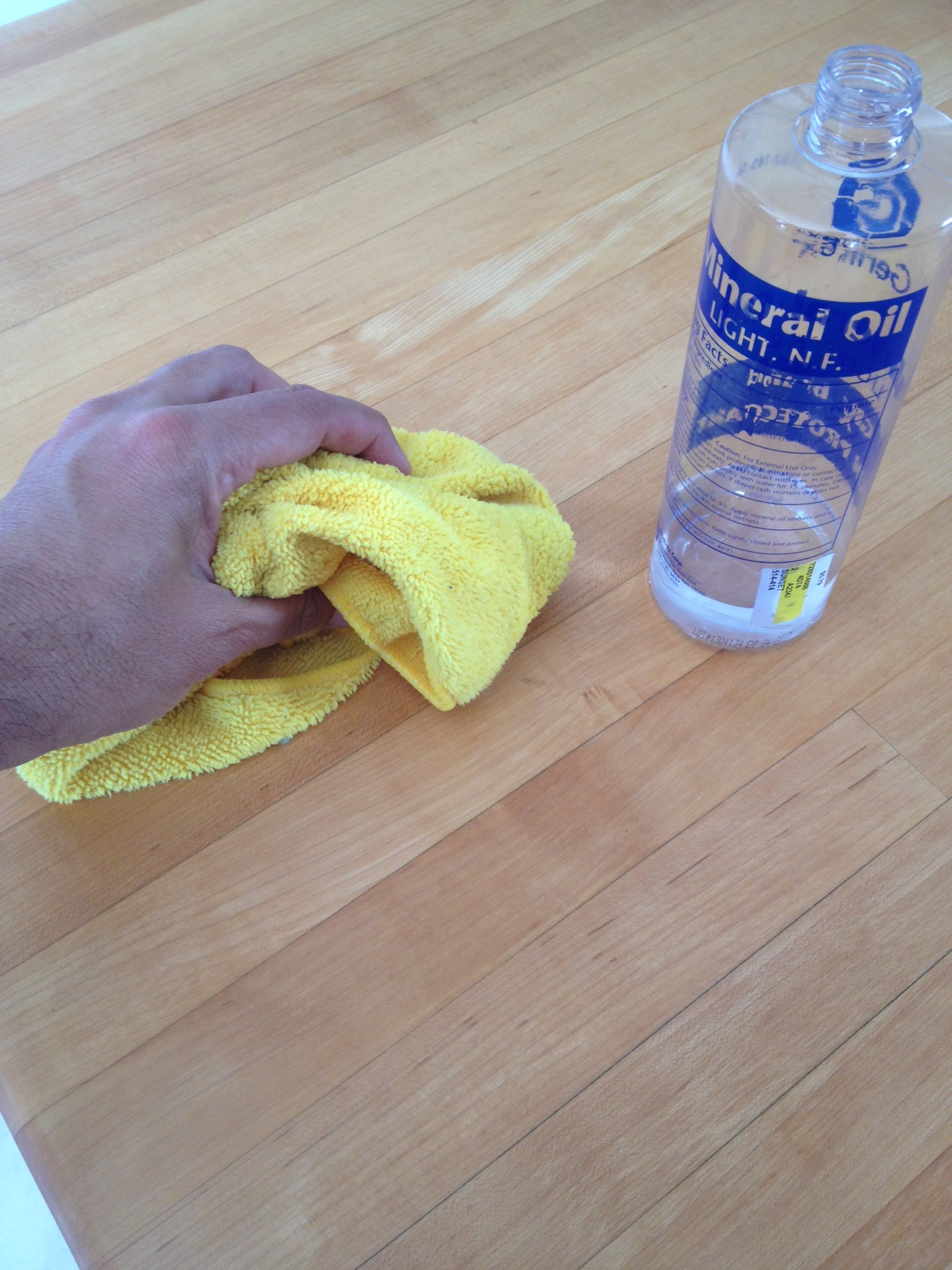
To clean a butcher block countertop, wipe it with a cloth dampened in warm water and a drop of dish soap, then wipe again with a clean damp cloth and dry immediately. Scrub sticky spots along the grain. Never soak the wood or leave standing water. Re-oil the surface every few weeks to keep it sealed.
What you'll need
- Two soft cloths or dish towels (one for washing, one for drying)
- Mild dish soap
- Warm water in a bowl (not a running faucet flood)
- A plastic bench scraper or an old gift card for dried-on gunk
- Coarse salt and half a lemon for stains and odors
- Food-grade mineral oil or a mineral-oil-and-beeswax finish
- Fine-grit sandpaper (220) for deeper marks, kept in a drawer
Step by step
- Clear the counter and scrape off any dried food with the bench scraper, pushing along the direction of the grain, not across it.
- Dampen one cloth in warm water with a single drop of dish soap. Wring it out well so it's damp, not dripping.
- Wipe the whole surface following the grain lines. Small NYC counters mean you can reach every inch without leaning your weight on the edge.
- Rinse your cloth, wring it out again, and go over the wood a second time to lift the soap.
- Dry the block immediately and thoroughly with the second cloth. Standing water is the enemy of wood.
- For stains or lingering onion-and-garlic smells, sprinkle coarse salt on the spot and scrub with the cut side of a lemon, then wipe clean and dry.
- Once the wood is fully dry, check whether it needs oil (see the FAQ). If it does, apply a thin coat of food-grade mineral oil with a cloth, let it soak in, and wipe off the excess.
What NOT to do
Don't flood butcher block with water or let a wet sponge sit on it. Wood swells, then cracks at the seams once it dries near a steam radiator. Skip the bleach and ammonia products: they strip the oil finish, dry out the grain, and can leave pale patches. Don't put a hot pot straight on the block or cut without a board if you want the surface to last. Avoid abrasive scouring pads and powders, which scratch through the finish and leave a rough patch that traps moisture. And never run it through with a soaking mop-style wipe you'd use on tile.
When to call a pro
DIY handles the daily wipe-down, stains, and routine oiling. But if your block has deep water damage, black spots that won't sand out, or splitting seams, that's a refinishing job better left to a woodworker. And if you're moving out of a rental and need the whole apartment turned around, the countertop is only one item on the landlord's list. A team can knock out the kitchen, bathroom, and floors in the time it takes you to re-oil the wood. Book apartment cleaning with CleanWhale and hand off the deep clean while you focus on the details.
FAQ
Can I use vinegar to clean butcher block?
You can use a diluted vinegar solution occasionally to cut grease and odors, but wipe it off quickly and dry the wood right away. Acid used often will dull the oil finish over time, so warm water and a drop of dish soap is the better everyday choice.
How often should I oil my butcher block countertop?
A good rule for a used kitchen counter is once a week for the first month, then once a month after that. In a NYC apartment with dry radiator heat in winter, check more often: if a few drops of water soak in and darken the wood instead of beading up, it's time to re-oil.
Why is my butcher block turning gray or black?
Gray usually means the finish has worn thin and the wood is drying out; a light sanding with 220-grit followed by oil often restores it. Black spots typically mean water got in and sat there. Small ones may sand out, but deep black staining usually needs professional refinishing.
Do I have to seal a new butcher block counter?
Yes. Bare wood in a landlord-installed counter is thirsty and stains fast. Wipe it down, let it dry fully, then apply two or three coats of food-grade mineral oil a few hours apart before you start using it for real.
Related guides