





















How to Clean a Kitchen with No Dishwasher
 08.08.2026

To clean a kitchen with no dishwasher, wash dishes by hand in the order glassware, plates, utensils, then greasy pots. Fill one basin with hot soapy water, scrape food first, wash from cleanest to dirtiest, rinse in a second basin or under running water, and air-dry on a rack. Wipe counters and sink last.
What you'll need
- Two dish basins or a divided sink (one wash, one rinse) — a plastic tub works if your sink is a single small bowl
- Dish soap (a fragrance-free option helps if your apartment has little ventilation)
- A non-scratch sponge plus a separate scrub brush for pots
- Microfiber cloths for counters and one dedicated cloth for glassware
- A compact dish rack with a drip tray — the over-sink folding kind saves counter space
- Rubber gloves so you can use water hot enough to cut grease
- Baking soda for scorched pans and a bottle of all-purpose cleaner for counters
Step by step
- Clear and scrape. Scrape food scraps into the trash or a countertop compost bin. Don't rinse debris down a NYC apartment drain with no disposal — it clogs old building pipes fast.
- Set up two stations. Fill one basin with hot water and a few drops of soap. Reserve the other side (or a tub) for rinsing. A single-bowl sink? Wash over a tub, rinse under the tap.
- Pre-soak the worst offenders. Put crusted pots and the pan aside to soak in hot soapy water while you wash everything else.
- Wash cleanest to dirtiest. Glasses first, then mugs and plates, then cutlery, then greasy cookware. This keeps the wash water usable longer.
- Rinse and rack. Rinse each item and stand it on the rack. Load big pieces at the back so smaller ones drain in front.
- Tackle scorched pans. Sprinkle baking soda on the burnt spot, add a little hot water to make a paste, wait a few minutes, then scrub.
- Wipe the sink and counters. Dump the basins, rinse the sink, then spray and wipe counters, moving crumbs toward you into your hand.
- Air-dry, don't stack wet. Let dishes dry on the rack overnight rather than piling them damp in a cabinet where a small kitchen traps moisture.
What NOT to do
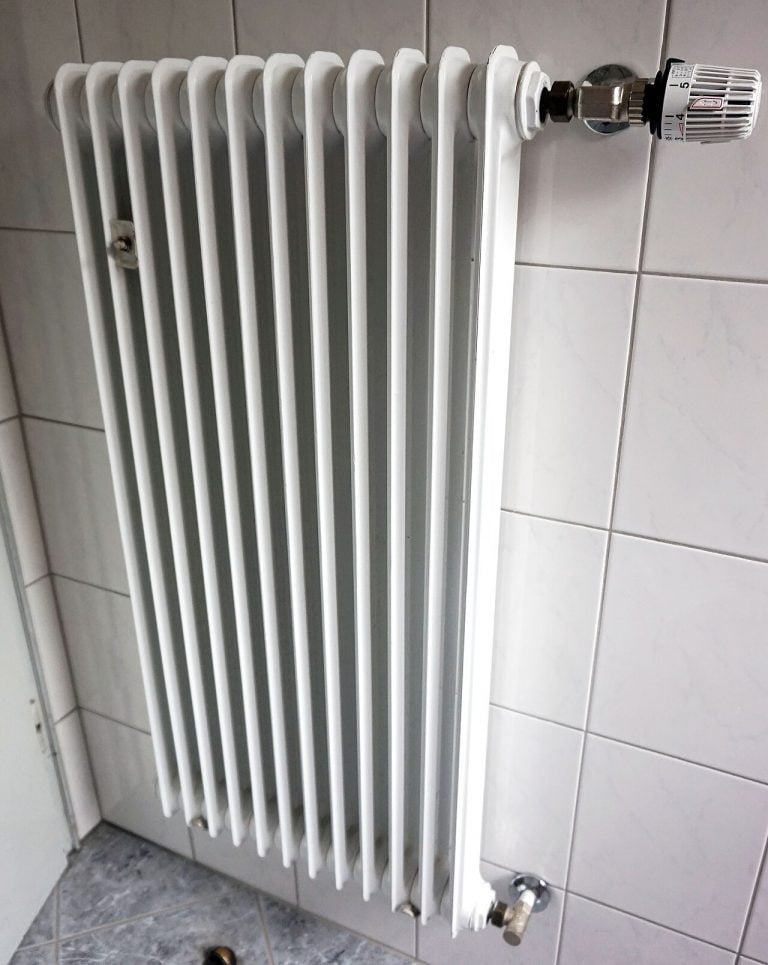
Don't put a good chef's knife or wooden cutting board in a long soak — the handle rivets loosen and wood warps and cracks. Skip steel wool or abrasive powders on nonstick pans, glass stovetops, and stainless finishes; they leave permanent scratches. Never use an abrasive scrubber on cast iron, and don't leave cast iron wet, which invites rust. Don't pour bacon grease or oily water down the drain — let it solidify and trash it. And don't crank the hot water and walk away over a full basin; splashback onto a hot steam radiator or an outlet is a real hazard in a tight kitchen.
When to call a pro
Hand-washing keeps up with daily dishes, but a small kitchen collects buildup you can't reach on a weeknight — grease film behind the stove, grime on cabinet fronts, hard-water haze in the sink, and the crumbs under the fridge. If you're moving out and need the kitchen to pass a landlord's white-glove check, or you've simply let it slide during a busy stretch, a deep clean resets everything at once. When you want that top-to-bottom result without giving up a Saturday, book apartment cleaning with CleanWhale.
FAQ
Do I need to sanitize dishes if I have no dishwasher?
Hot water and dish soap handle everyday washing for a household. If you want an extra step after washing cutting boards or items that touched raw meat, follow the directions on an EPA-registered kitchen sanitizer label exactly, including any rinse instructions for food-contact surfaces.
How do I hand-wash dishes fast in a tiny NYC kitchen?
Wash as you cook so nothing piles up, keep a filled soaking tub in the sink for dirty items, and use an over-sink rack so drying dishes never eat your limited counter space. Batching by category — all glasses, then all plates — is faster than one item at a time.
What's the best way to dry dishes without counter space?
An over-the-sink roll-up rack or a folding dish rack that stores flat works well in small apartments. Air-drying is more hygienic than a shared damp towel, so let items drip over the sink and put the rack away once they're dry.
How do I get burnt food off a pot without a dishwasher?
Cover the burnt area with a baking soda and hot water paste, let it sit a few minutes to loosen the residue, then scrub with a non-scratch brush. For a heavily scorched pot, simmer water with a spoonful of baking soda for several minutes before scrubbing.
Related guides