






















How to Clean a Garbage Disposal and Get Rid of the Smell
 14.08.2026
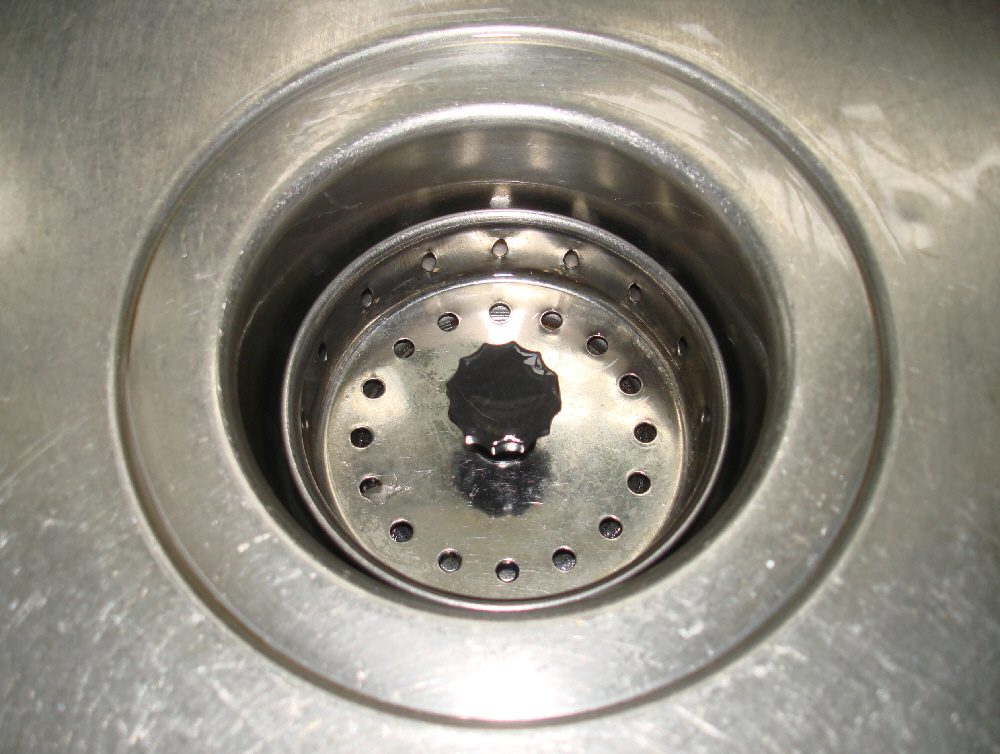
To clean a smelly garbage disposal, cut the power at the wall switch, scrub the rubber splash guard with dish soap and an old toothbrush, then run cold water while grinding ice cubes and a handful of coarse salt to scour the grinding chamber. Finish with citrus peels for a fresh scent. The smell is almost always trapped food, not the drain itself.
What you'll need
- Dish soap
- An old toothbrush or a small dish brush
- A cup of ice cubes
- A handful of coarse salt (kosher or rock salt)
- Baking soda (about half a cup)
- White vinegar (one cup)
- Citrus peels (lemon, lime, or orange)
- A flashlight (your phone works)
- Rubber gloves and tongs
Step by step
- Cut the power. Flip off the switch that runs the disposal. If your unit is hardwired to a wall switch, turn it off and leave a note or your hand on it so nobody flips it while your fingers are near the opening. Never trust "I'll be quick."
- Shine a light inside. Look for stuck debris on the grinding ring. Using tongs (never your fingers), pull out anything obvious — a bottle cap, a fruit pit, a wad of stringy vegetable.
- Scrub the splash guard. That black rubber flap is the number one source of odor. Flip its flaps up, or pull it out if your model allows, and scrub both sides with dish soap and a toothbrush. The underside is coated in old grease and food film.
- Grind ice and salt. Restore power. Drop in the ice and salt, turn on cold water, and run the disposal until the ice is gone. The ice knocks buildup off the grinding components and the salt acts as a scrubbing grit.
- Deodorize. Turn the disposal off again. Pour in the baking soda, then the vinegar. Let it fizz for a few minutes, then flush with cold running water for 30 seconds.
- Freshen. With cold water running and the unit on, feed in a few citrus peels. The oils leave a clean scent and help cut remaining grease.
What NOT to do
Do not pour boiling water down the disposal to "melt" grease — it softens fat that then re-solidifies further down your building's old drain line, and in a shared NYC stack that clog becomes everyone's problem. Skip chemical drain openers too; they sit in the chamber, splash back, and can damage the rubber splash guard and pipe seals. Never grind coffee grounds, eggshells, potato peels, pasta, or rice — they form a paste that builds up fast in a small-apartment plumbing setup. And do not run the disposal with hot water; always use cold, which keeps grease firm enough to grind and flush.
When to call a pro
DIY handles odor and light buildup. But if the disposal hums without spinning, backs up into the sink, leaks underneath, or the smell returns within a day of cleaning, the problem is mechanical or a clog deeper in the line — and in a rental, that is your landlord's or a licensed plumber's job, not something to force. If your kitchen just needs a genuinely deep reset — degreased counters, a scrubbed sink, and the grime around the disposal you never get to — book apartment cleaning with CleanWhale and let us handle the rest.
FAQ
How often should I clean my garbage disposal?
A quick ice-and-salt grind plus a splash-guard scrub once a week keeps odors from setting in. If you cook a lot or the sink sees heavy use, twice a week is reasonable. The splash guard is the part most people forget, so hit it every time.
Why does my disposal still smell after I clean it?
Because the odor usually lives on the underside of the rubber splash guard, not in the drain. If you flushed the chamber but never scrubbed that flap, the smell comes right back. Pull it up, brush both sides with dish soap, and check again.
Can I use vinegar and baking soda to clean it?
Yes, as a deodorizer and to loosen light grease. The fizz helps lift residue, and it is gentle on the rubber and seals. Just don't expect it to clear a real clog — that needs mechanical work, not a fizzing reaction.
Is it safe to reach into the disposal?
Only with the power off at the switch and using tongs or pliers, never bare fingers. Even unplugged, treat the grinding ring with respect. If something is jammed deep and you can't reach it safely, stop and call your building's maintenance or a plumber.
Related guides