



















Do You Dust or Vacuum First in a Small Apartment?
 09.07.2026

Dust first, then vacuum. When you dust surfaces, particles fall onto the floor. If you vacuum before dusting, you'll just re-cover clean floors with everything you knock loose afterward. In a small NYC apartment with steam radiators and little airflow, this order matters even more, because dust settles fast and has nowhere to escape.
What you'll need
- A microfiber cloth (dry and slightly damp) — it traps dust instead of pushing it around
- An extendable duster for ceiling corners, moldings, and the top of the fridge
- A vacuum with a HEPA filter and a crevice tool for radiator fins and baseboards
- A soft brush attachment for lampshades, blinds, and books
- A step stool (NYC ceilings and tall closets are hard to reach)
- A trash bag and a small bin for used cloths
Step by step
- Open a window if you have one that opens. If not, run an air purifier or the range hood on low to move some air while you work.
- Start high. Dust ceiling corners, light fixtures, and the tops of door frames and cabinets first — gravity carries everything downward.
- Work your way down to mid-level surfaces: shelves, the TV stand, window sills, and picture frames. Use the damp cloth for anything greasy near the kitchen.
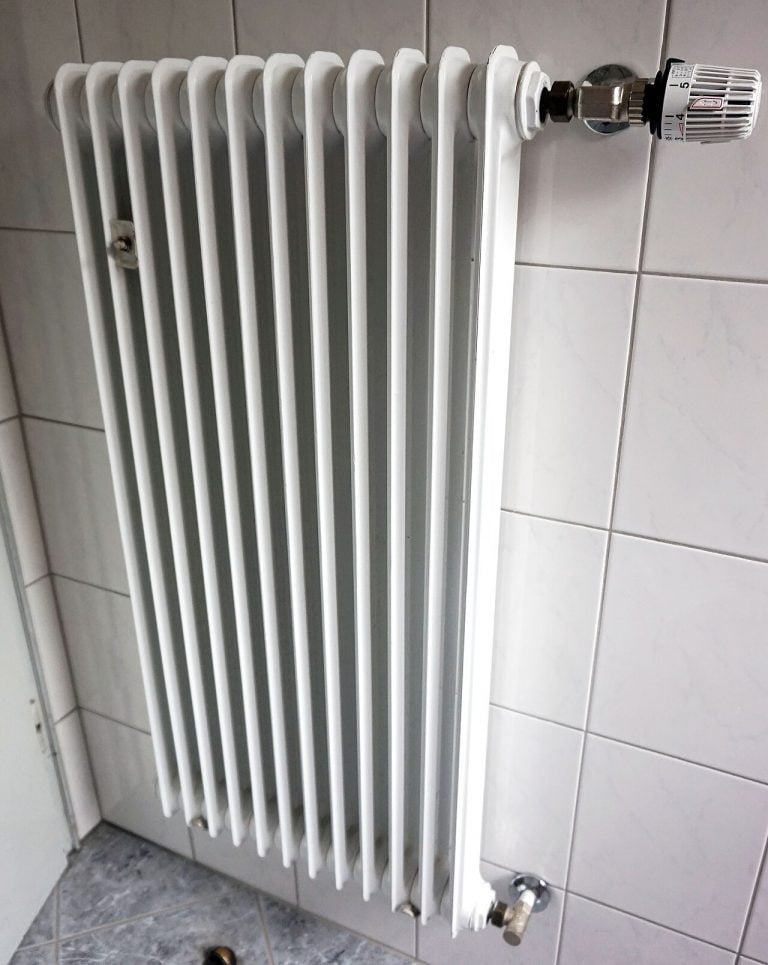
- Dust the radiator carefully. Between the fins is where NYC apartment dust hides. Use the crevice tool or the duster to pull it out, not push it deeper.
- Wipe baseboards and lower furniture legs last among your dusting tasks.
- Let the room settle for 10 to 15 minutes so airborne dust lands on the floor.
- Now vacuum. Go edge to edge, running the crevice tool along baseboards and under the radiator before doing open floor.
- Finish by vacuuming under the bed and sofa, where NYC dust bunnies gather fastest in tight rooms.
What NOT to do
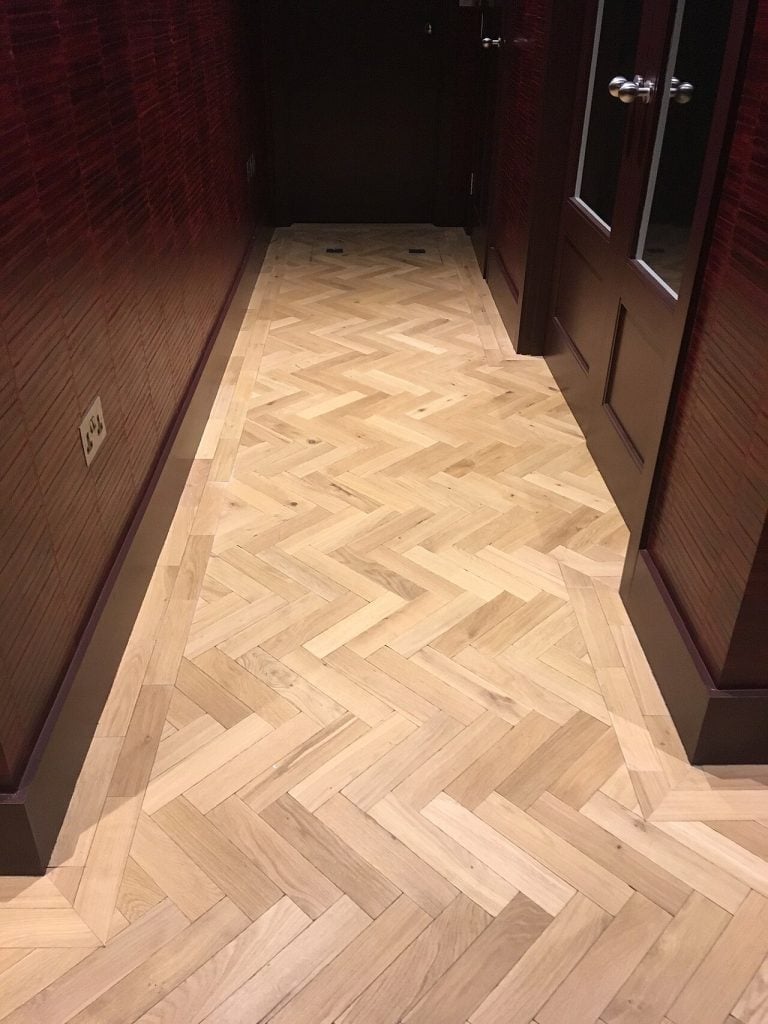
Don't use a dry cloth on the radiator when the heat is on — the metal fins get hot enough to scorch fibers and can burn your hand. Wait until the radiator is cool. Don't spray polish directly onto electronics or the TV; mist the cloth instead, or you'll push liquid into the vents. Avoid feather dusters — they scatter dust into the air rather than capture it, which is a real problem in a room with a non-opening window. On hardwood or parquet floors common in older buildings, skip the beater-bar setting; use suction only or a hard-floor mode so you don't dull the finish. And never vacuum first "to save time" — you'll be back at it twice.
When to call a pro
DIY dusting handles the weekly maintenance, but there's a point where it stops being worth your Saturday. Deep buildup behind radiators, dust settled inside prewar molding, allergen-heavy carpets, and the tops of tall closets in a cramped layout are hard to reach and easy to do badly. If you're moving out and need the apartment to pass a landlord's inspection, or you simply don't have storage for the equipment a real deep clean takes, it's worth handing off. You can book apartment cleaning with CleanWhale and skip the ladder entirely.
FAQ
Should I let dust settle before vacuuming?
Yes. Give the room 10 to 15 minutes after dusting so airborne particles land on the floor. Then your vacuum picks them up in one pass instead of blowing them around again.
How often should I dust a small NYC apartment?
Once a week for surfaces you touch and see, and every two to three weeks for radiators, baseboards, and high corners. Small spaces with steam heat and limited airflow accumulate dust faster than you'd expect.
Do I need a HEPA vacuum in an apartment?
It helps, especially if your windows don't open or you have allergies. A HEPA filter holds onto fine particles the vacuum lifts, so less of it ends up back in the air of a closed room.
What's the best way to clean between radiator fins?
Wait until the radiator is completely cool, then use a vacuum crevice tool or a thin extendable duster to pull dust out from between the fins. Doing it before you vacuum the floor means anything that drops gets picked up next.
Related guides