




















Disinfectant Contact Time: Why Wiping Right Away Does Nothing
 18.07.2026

Contact time (also called dwell or wet time) is the number of minutes a disinfectant must stay visibly wet on a surface to do its job. Every EPA-registered product prints this on the label, and it is often several minutes. If you spray and wipe within seconds, the surface dries too fast and the product never had the time the label requires.
First, a distinction that matters in a small apartment: cleaning and disinfecting are two different steps. Cleaning removes soil, grease, and crumbs so a surface looks and feels clean. Disinfecting is a separate step, done with an EPA-registered product used exactly per its label, aimed at germs. You clean first, then disinfect only where it's warranted (a kitchen counter after raw chicken, a bathroom handle during flu season). Contact time is the part of disinfecting people skip most.
What you'll need
- An EPA-registered disinfectant (check the front label for an EPA registration number)
- A separate all-purpose cleaner or dish soap for the cleaning step
- Two microfiber cloths, or paper towels
- A phone timer
- Reading glasses if you need them — the contact time is in the fine print
- Gloves, and an open window or the range hood if your kitchen has one
Step by step
- Read the label first. Find the line that says something like "let stand" or "remain wet for" followed by a number of minutes. That number is your target. Different products list different times.
- Clean before you disinfect. Wipe the surface with your regular cleaner to remove crumbs, grease, and film. Disinfectants work on clean surfaces, not on top of yesterday's soup.
- Apply enough product to visibly wet the surface. A light mist that dries in ten seconds is not enough. The surface should look wet, not damp.
- Start your timer. Set it for the full time on the label. Walk away — start the dishes, feed the cat.
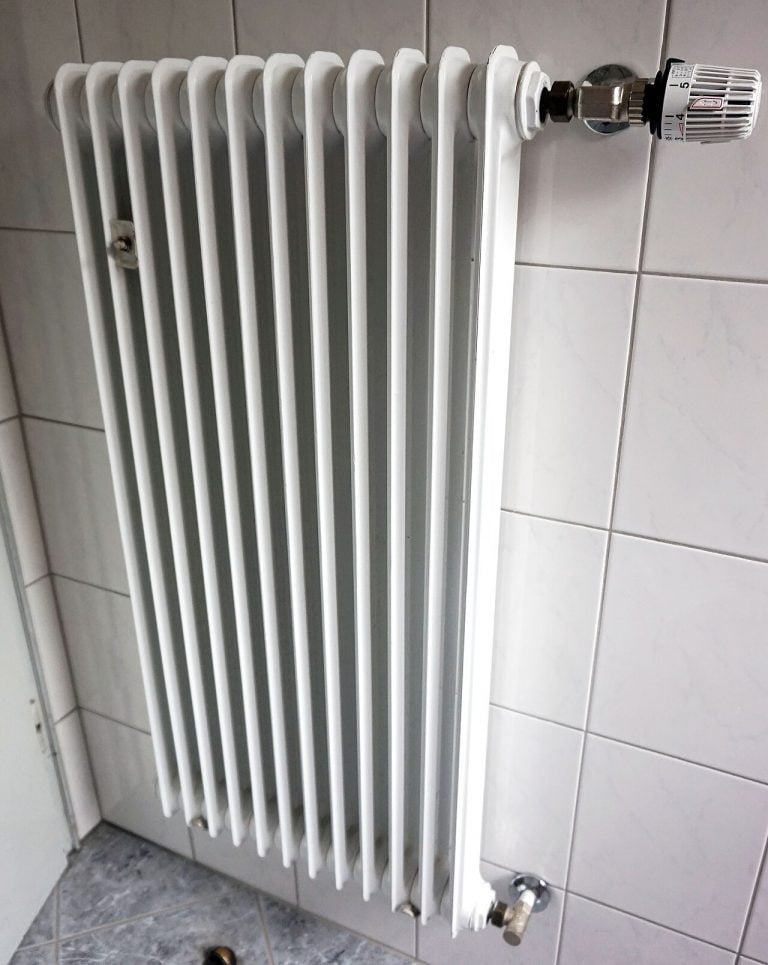
- Re-wet if it dries early. In a warm apartment near a steam radiator, surfaces dry fast. If the product evaporates before the timer ends, spray again to keep it wet for the full duration.
- Wipe or let air-dry per the label. Some labels say wipe after; some food-contact surfaces say rinse with water. Follow whatever your specific product prints.
What NOT to do
- Don't spray-and-wipe in one motion. This is the whole point: a two-second wipe skips the contact time entirely. You've cleaned the surface, not disinfected it.
- Don't mix products. Never combine a bleach-based disinfectant with anything containing ammonia or acid (some glass and bathroom cleaners). The fumes are dangerous, especially in a NYC bathroom with a window that doesn't open.
- Don't disinfect unsealed stone. Marble and unsealed granite windowsills or counters can etch or discolor from repeated disinfectant. Test a hidden spot or stick to a stone-safe cleaner.
- Don't soak electronics or wood. Keeping a surface "wet for the full time" is for hard, nonporous surfaces. On a laptop, phone, or an unsealed wood table, follow the device or finish maker's guidance instead.
- Don't assume every cleaner disinfects. If there's no EPA registration number on the label, treat it as a cleaner only.
When to call a pro
DIY contact-time discipline handles everyday kitchen and bathroom upkeep just fine. Where it stops is scale and access: a whole apartment before guests arrive, a move-out clean your landlord will inspect, or the tight corners behind a radiator and inside a shower track that you can never quite reach. If you're short on time, storage, or the patience to time every surface, a professional team brings the supplies and does it methodically. When you'd rather hand it off, book apartment cleaning with CleanWhale.
FAQ
What is contact time in plain English?
It's how long a disinfectant has to sit wet on a surface before it works, printed on the product label in minutes. Wipe it off early and you've cut the step short.
Does vinegar count as a disinfectant?
Vinegar is a cleaner, not a registered disinfectant. It can cut grease and mineral film, but if your goal is disinfecting, use an EPA-registered product and follow its label.
What if the surface dries before the time is up?
Re-apply to keep it visibly wet for the full duration on the label. Warm apartments and steam heat dry surfaces quickly, so a second spray is often needed.
Do I have to disinfect every surface, every time?
No. Most day-to-day cleaning is just removing soil. Save disinfecting for spots and moments that call for it — after raw meat, or high-touch handles when someone's sick.
Related guides